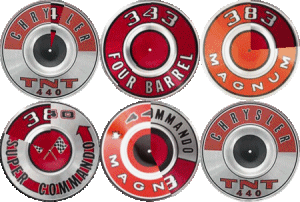
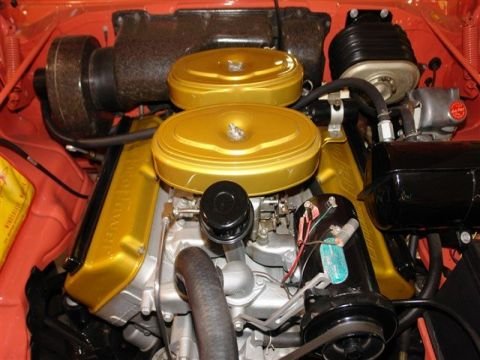
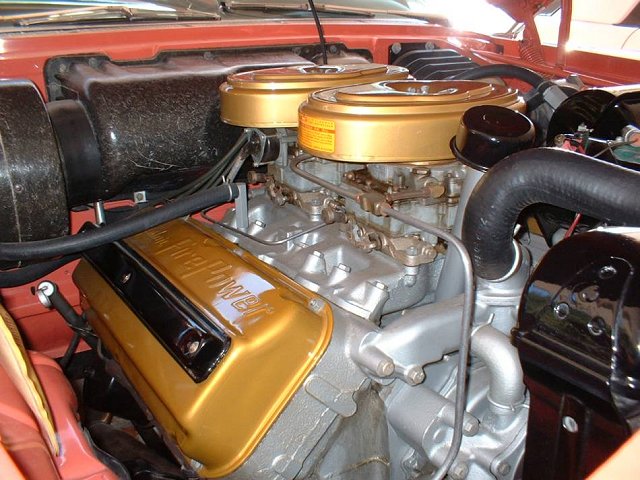
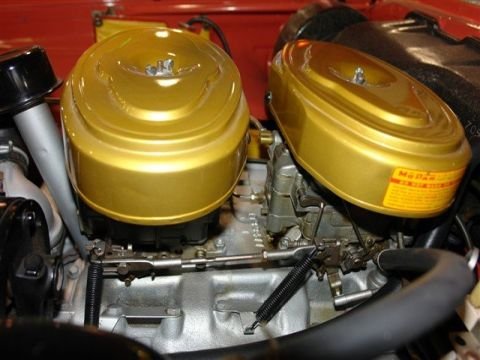
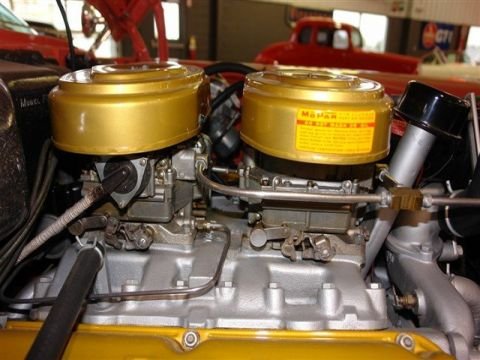
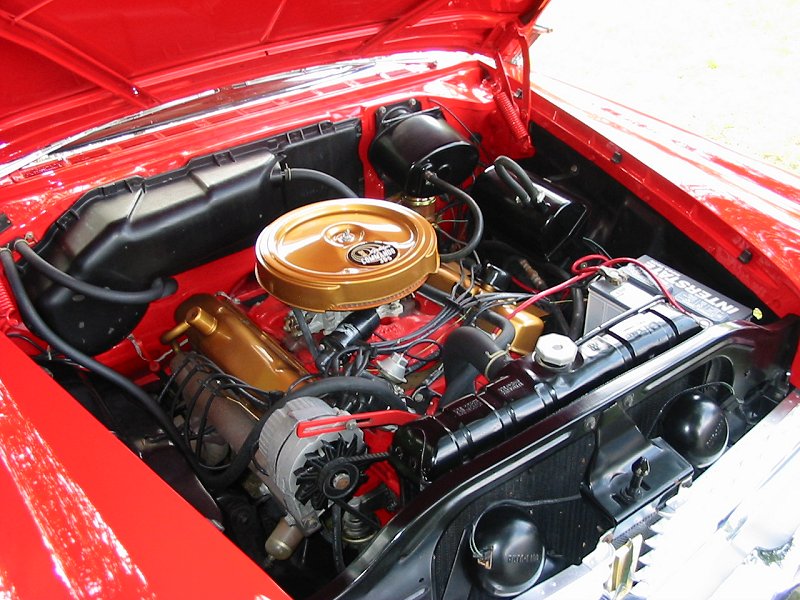
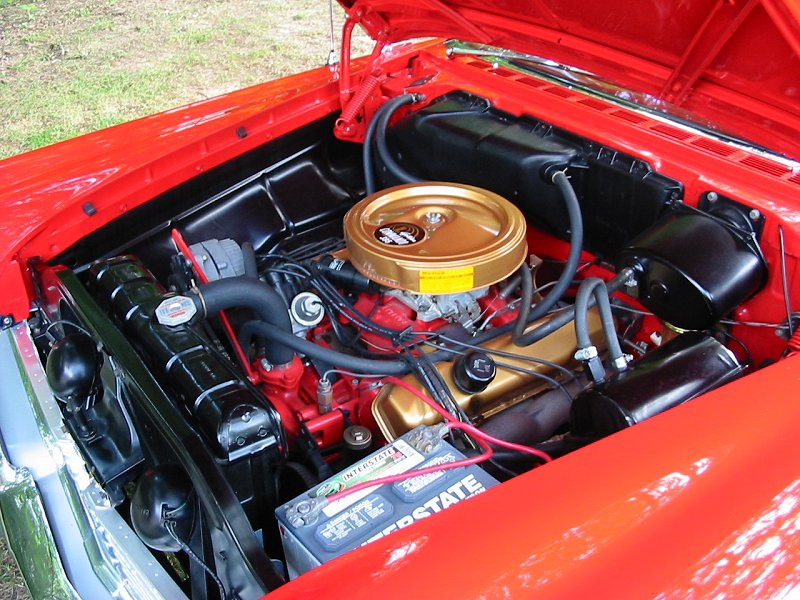
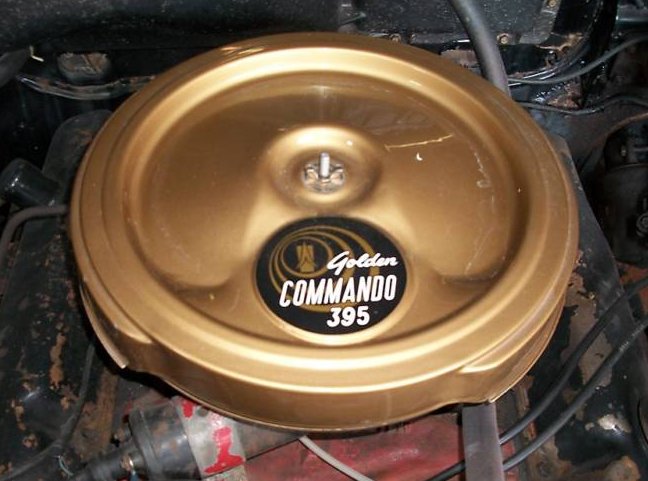
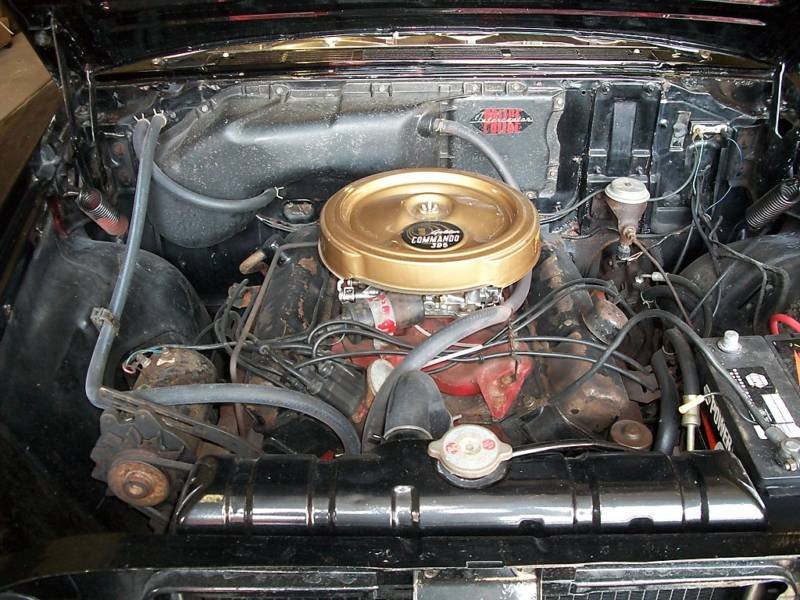
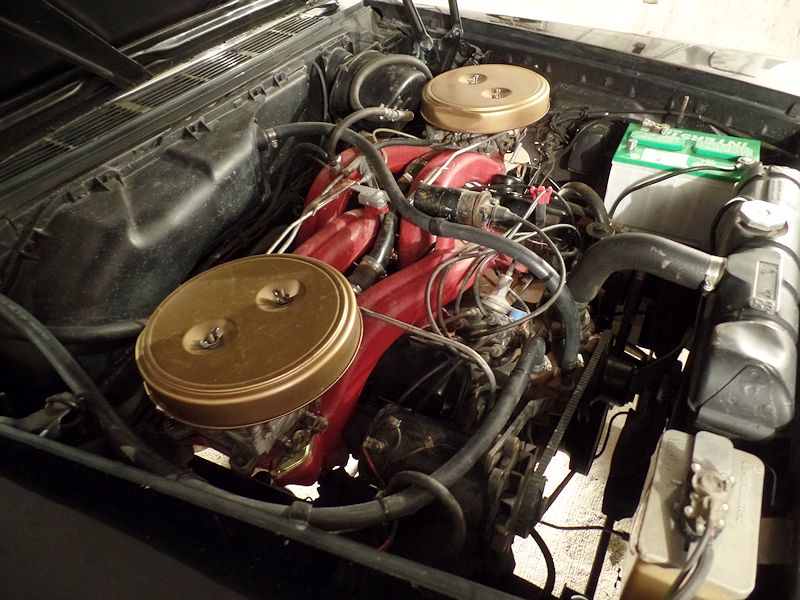
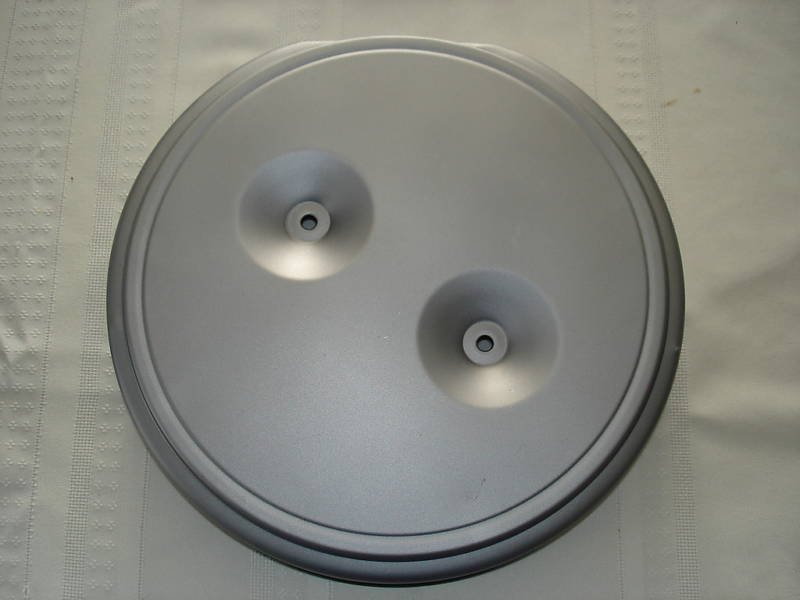
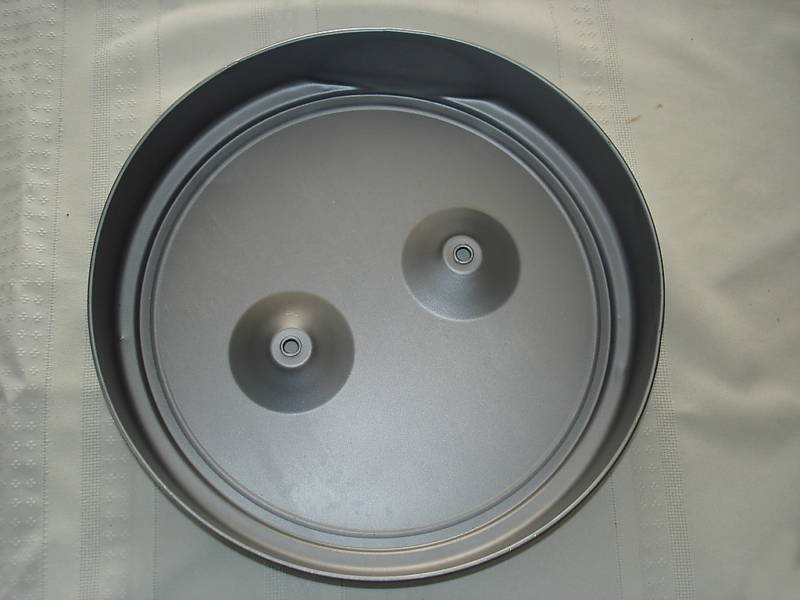
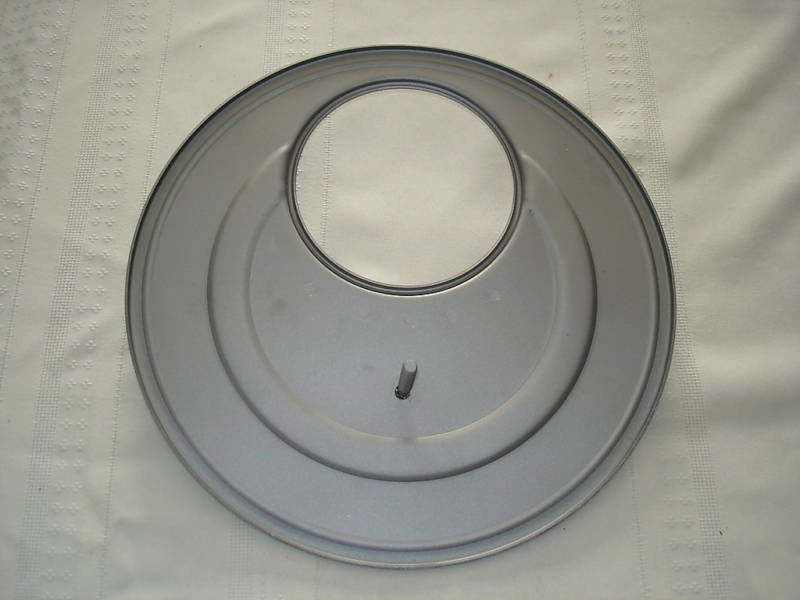
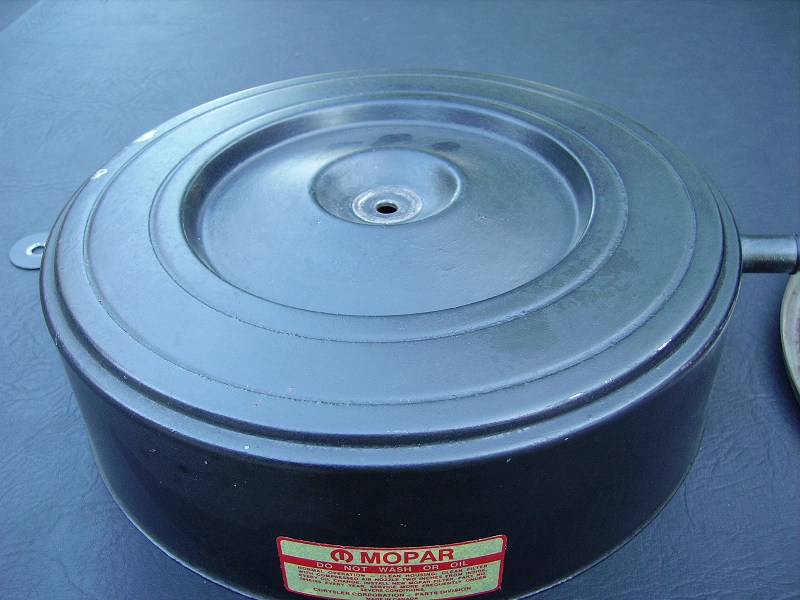
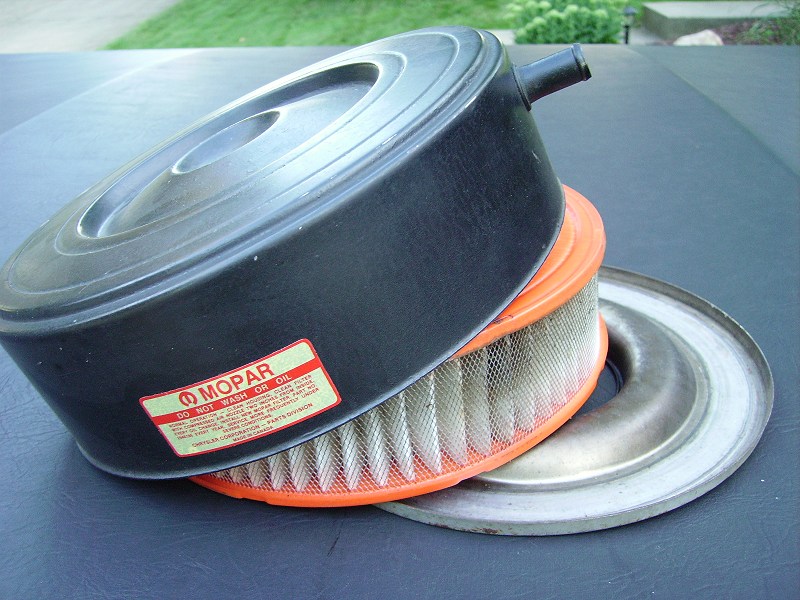
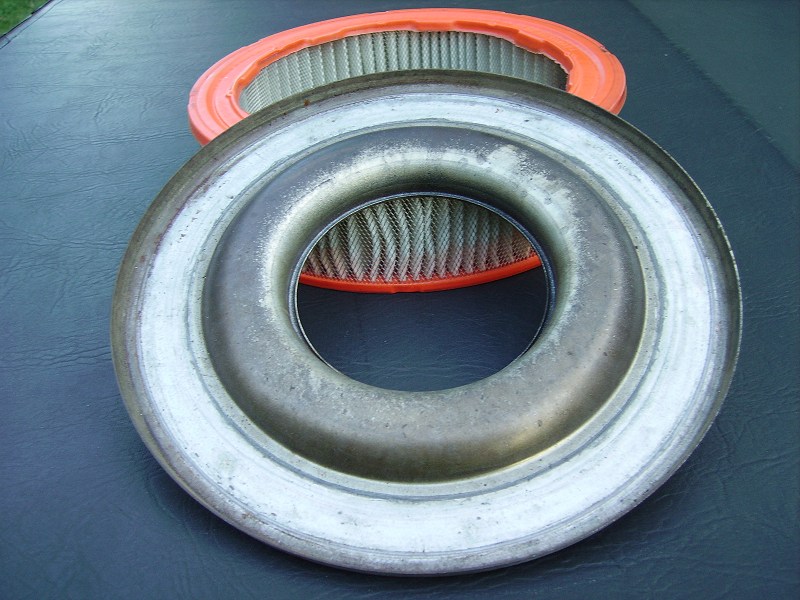
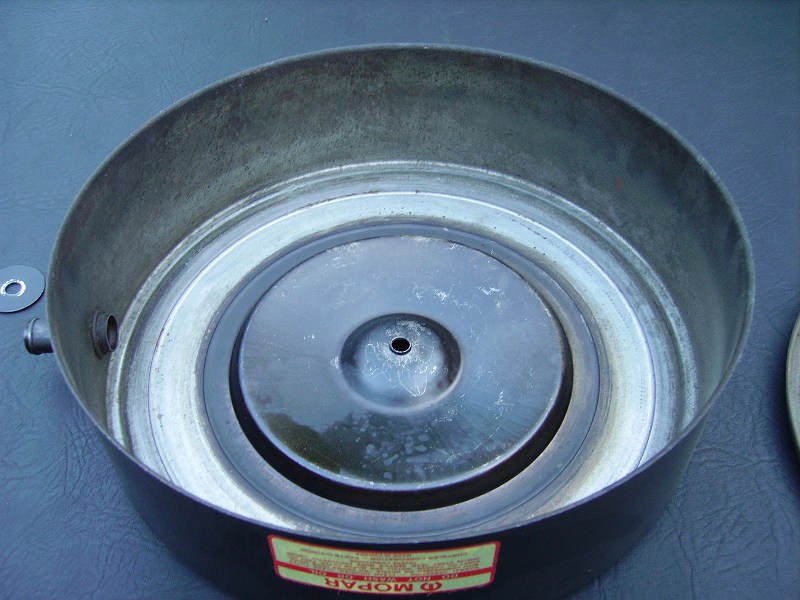
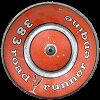
 Here is some information on Pie Tins.
This is based on observations and discussions with other people. None of it is written in stone and as with a lot of things the factory did, there are variations. Most of the information pertains to performance engines, those with 4-barrel carburetors and Hemis. The label issue is a more complicated and somewhat controversial one. I'll gather more information on them at a later date. It will certainly take an entire page to cover it.
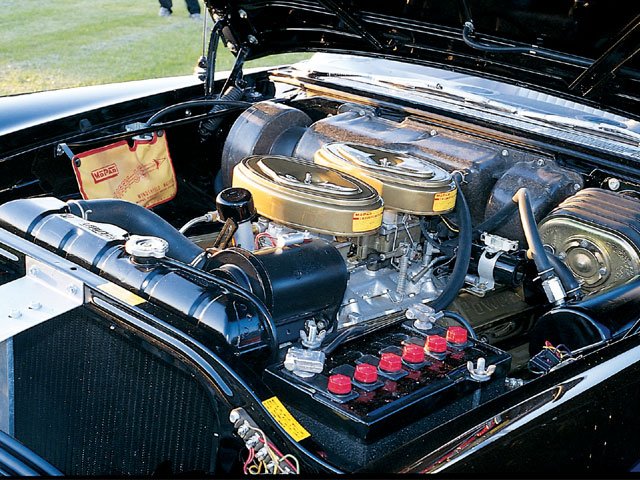
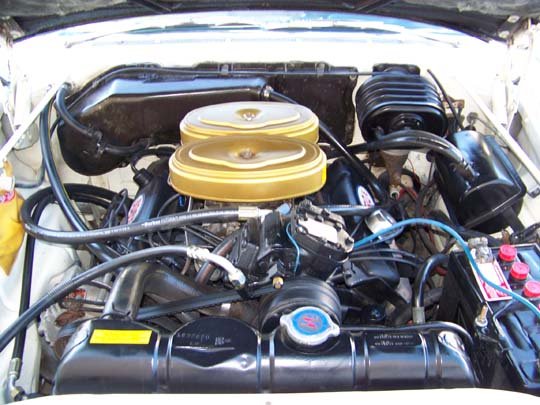
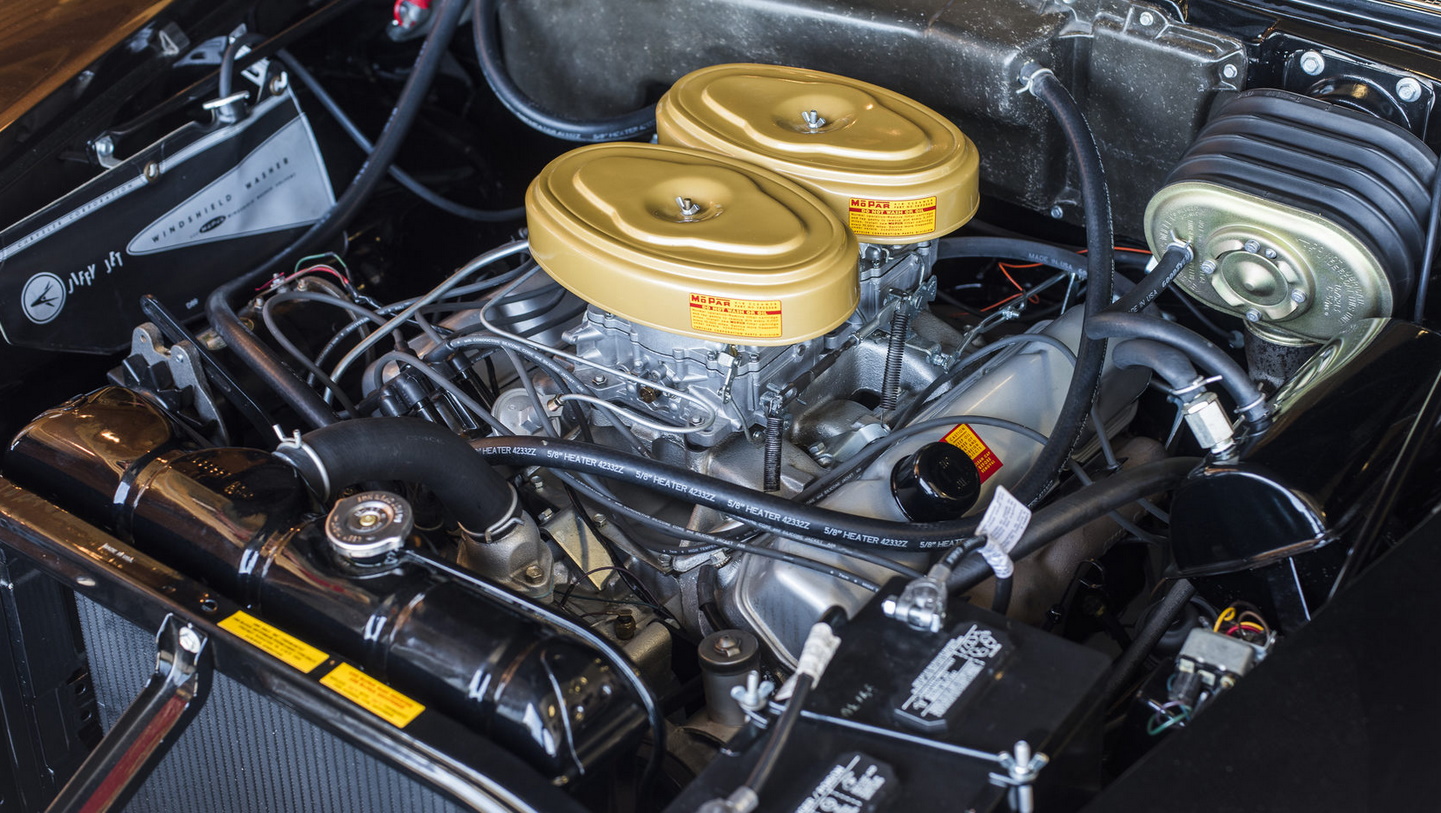
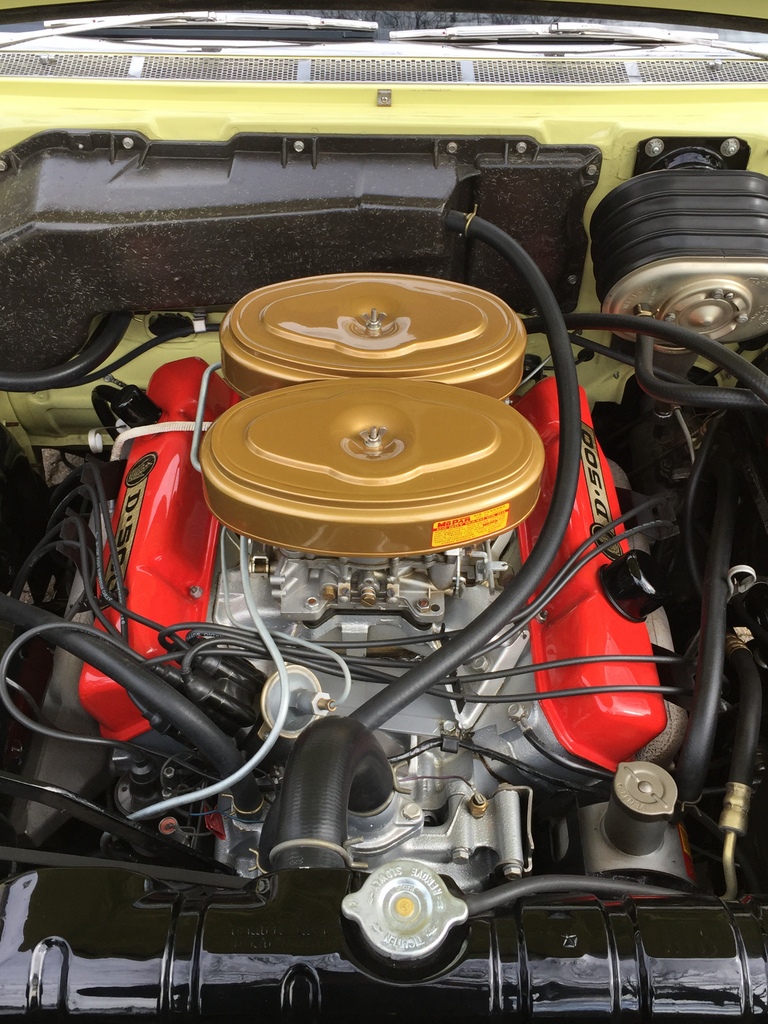
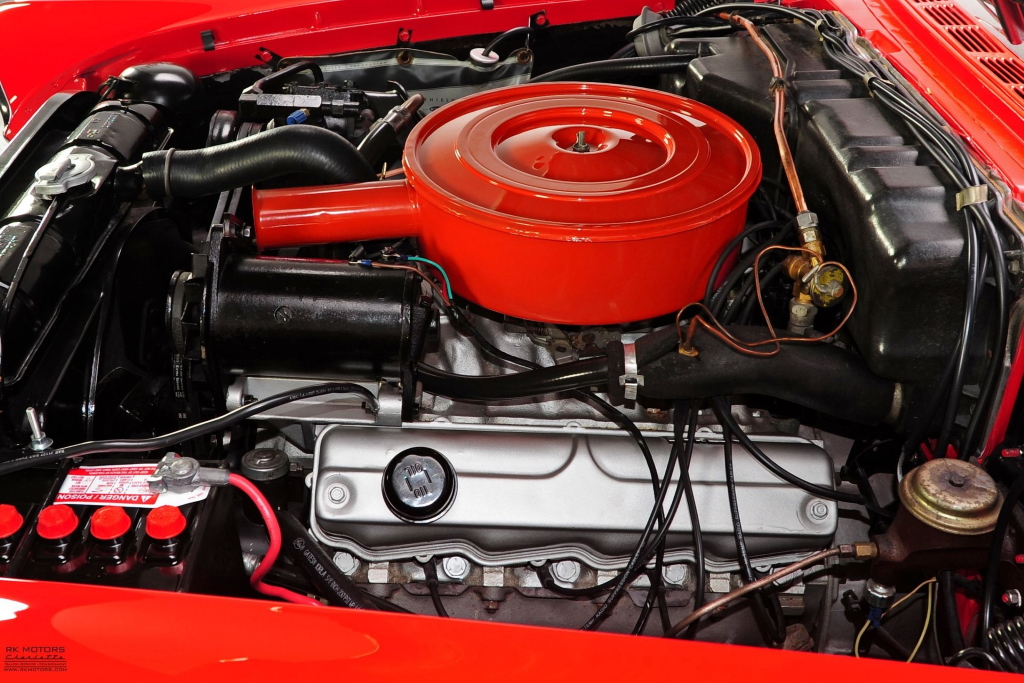
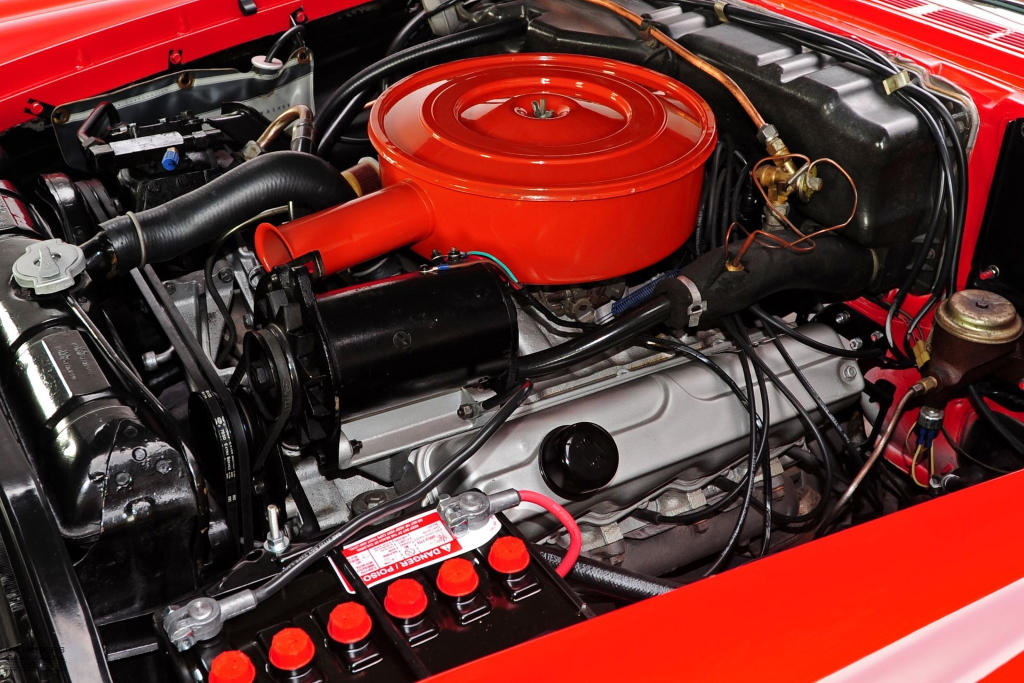
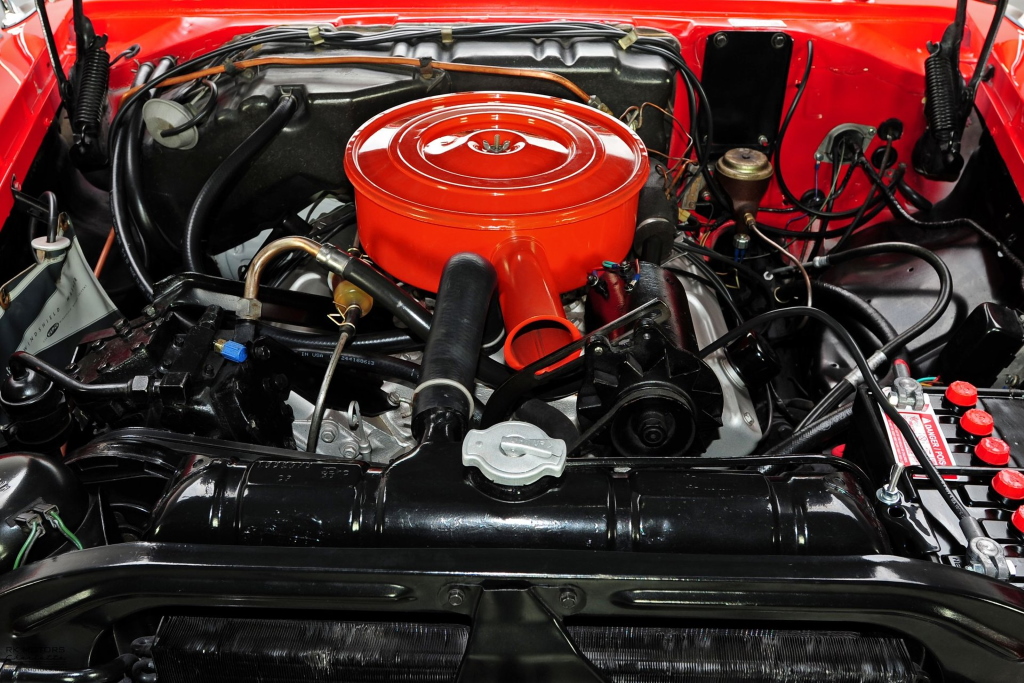
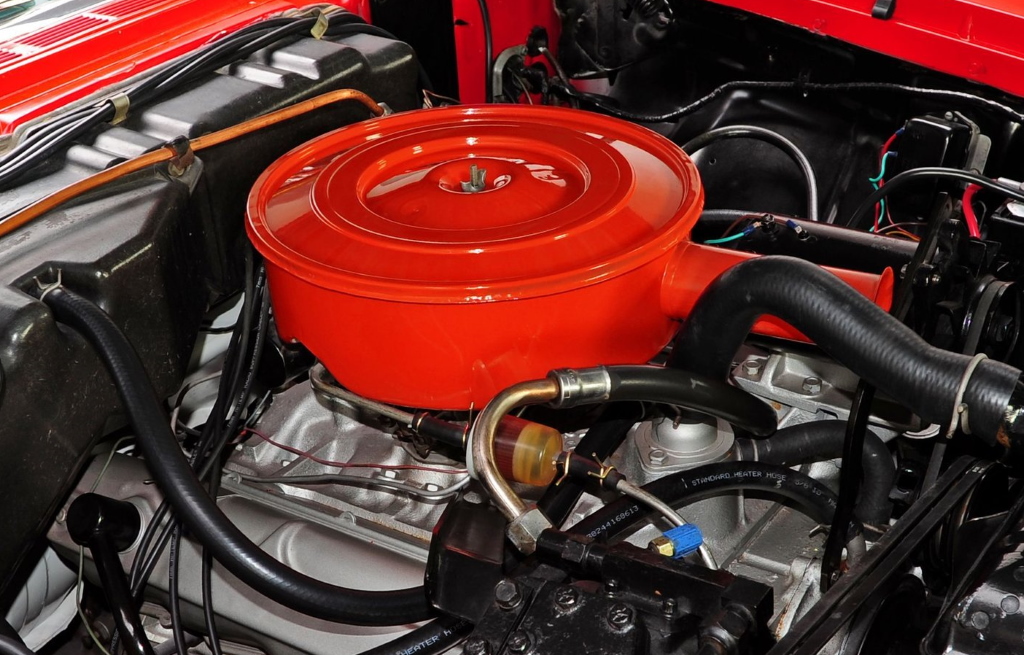
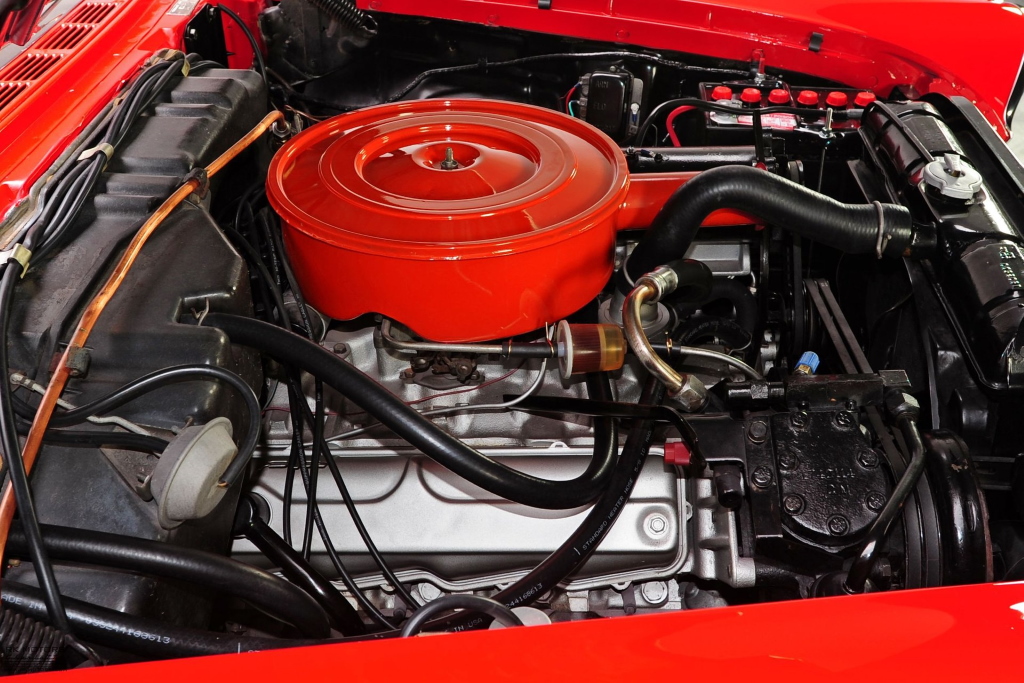
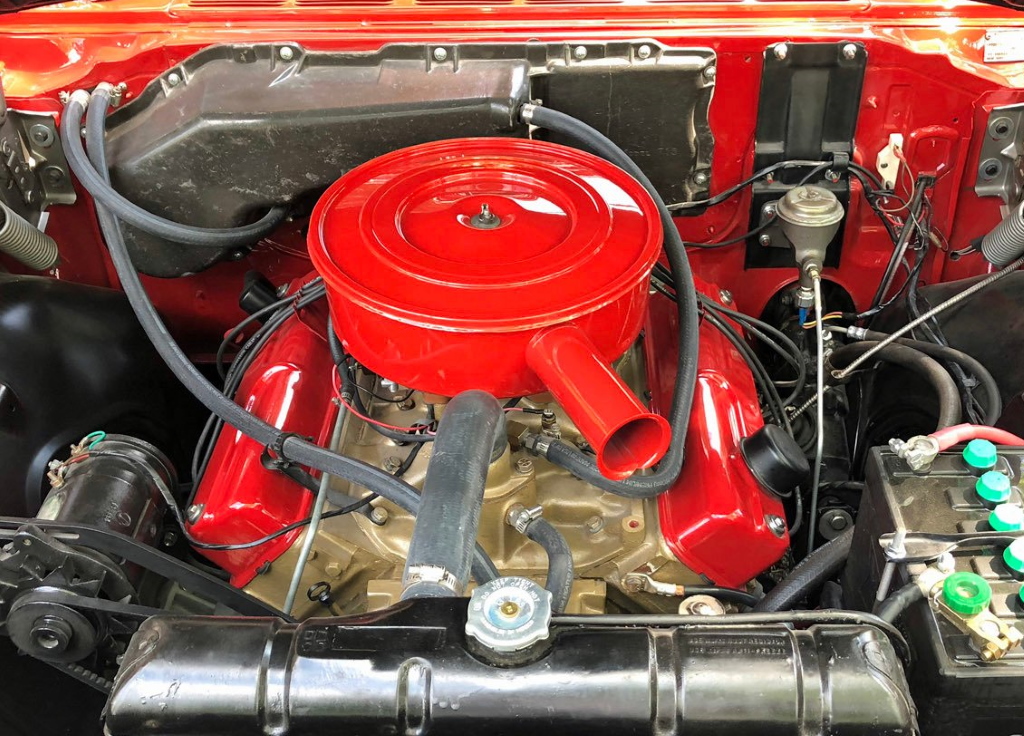
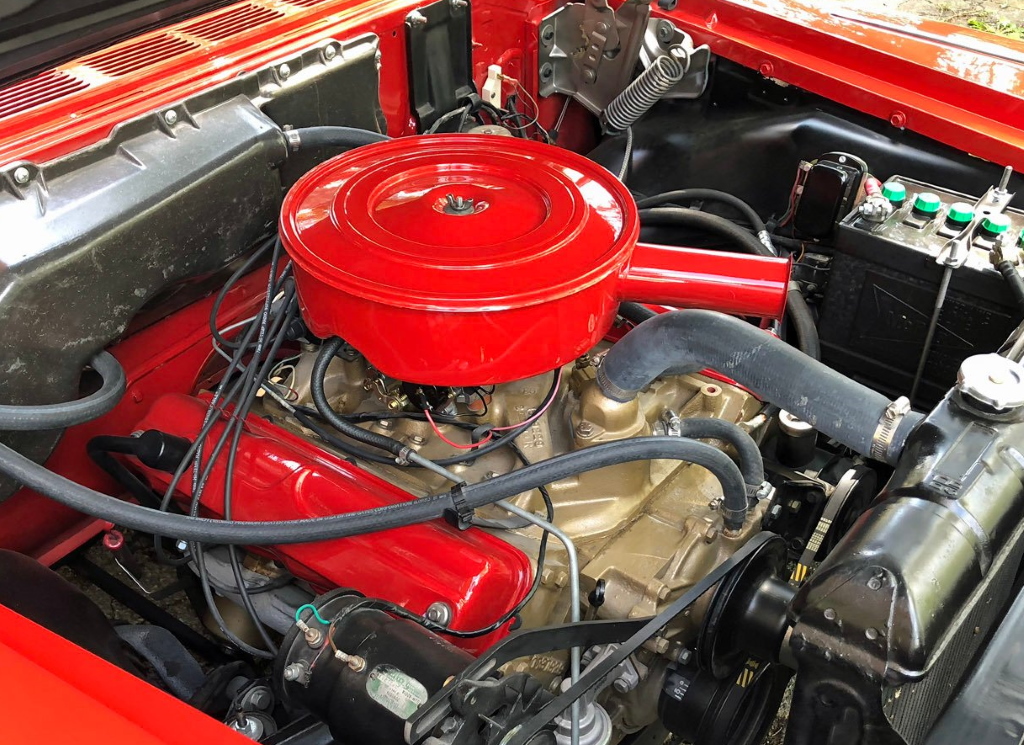
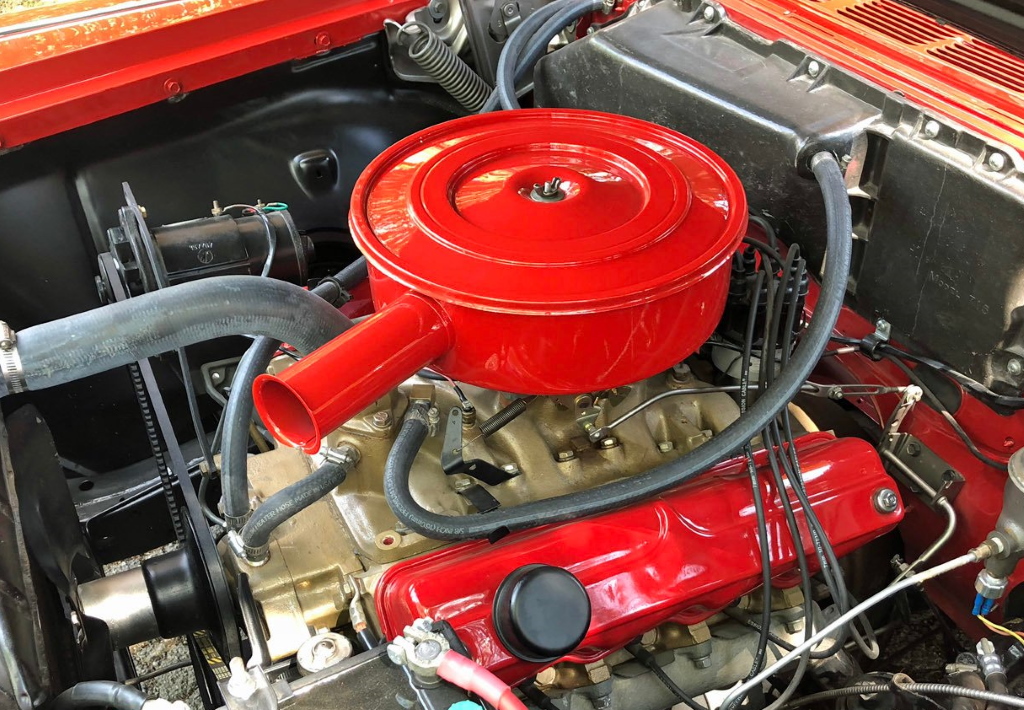
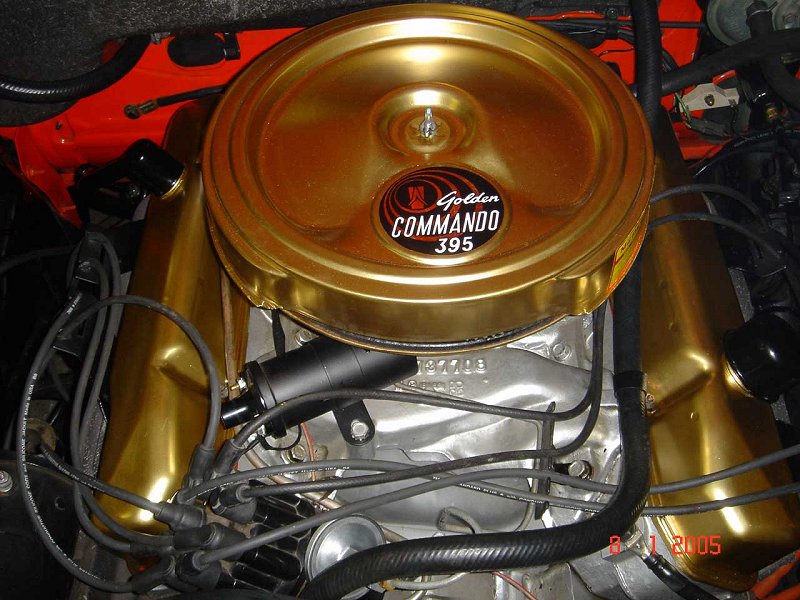
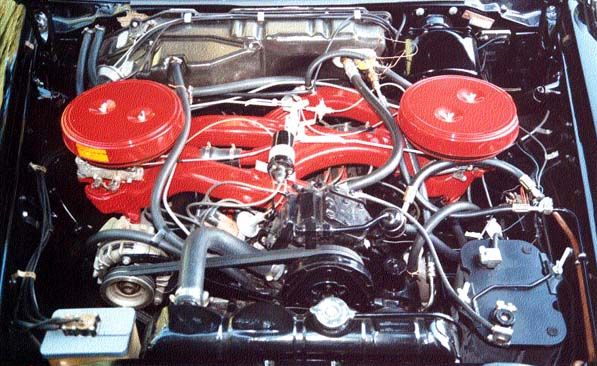
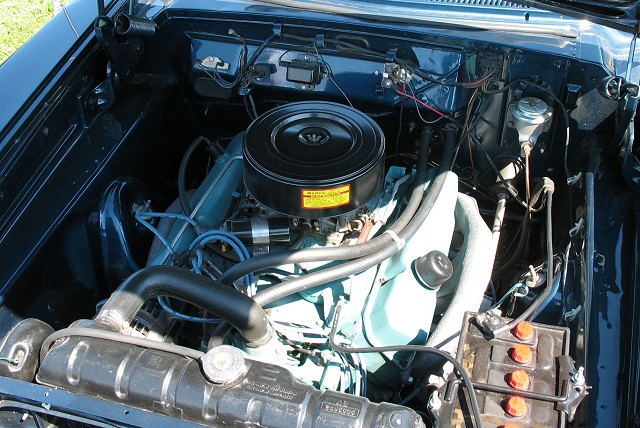
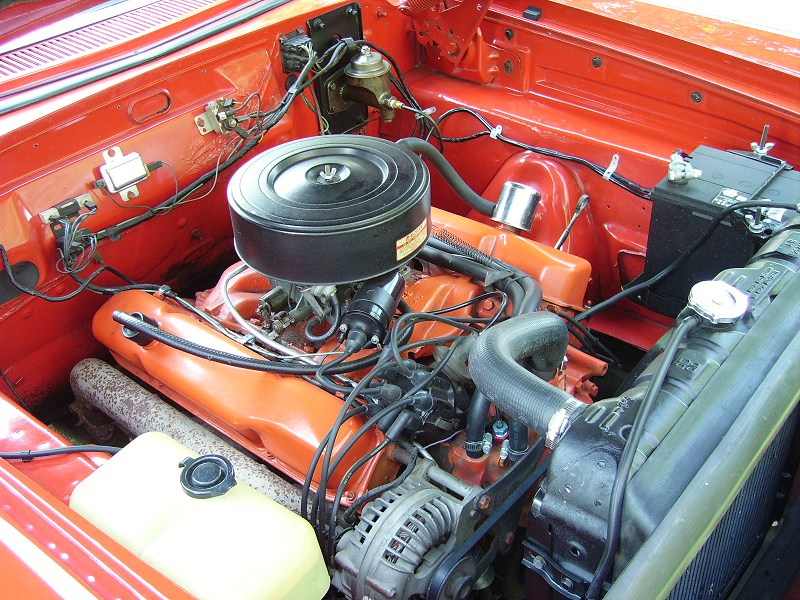
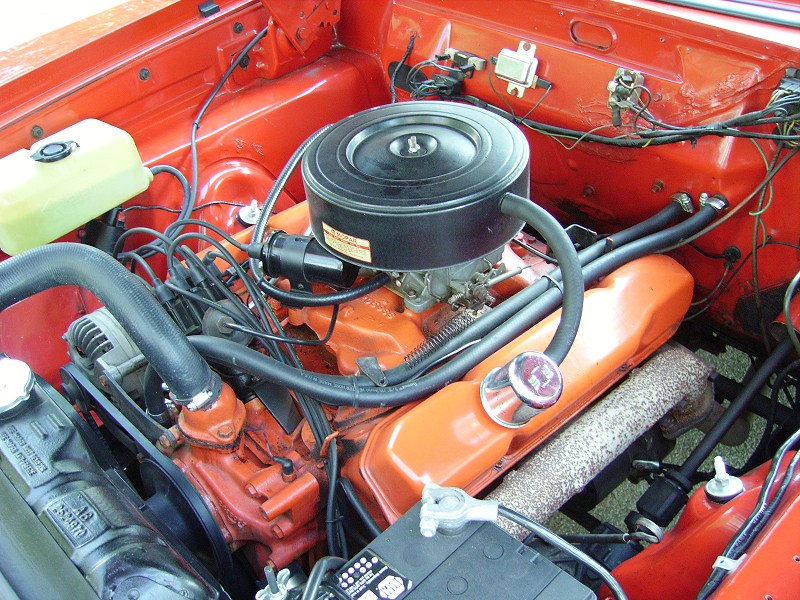
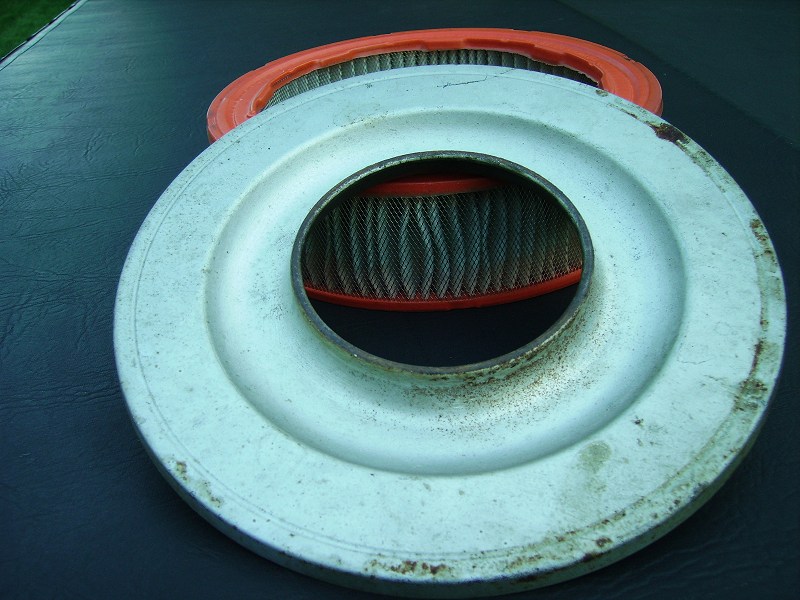
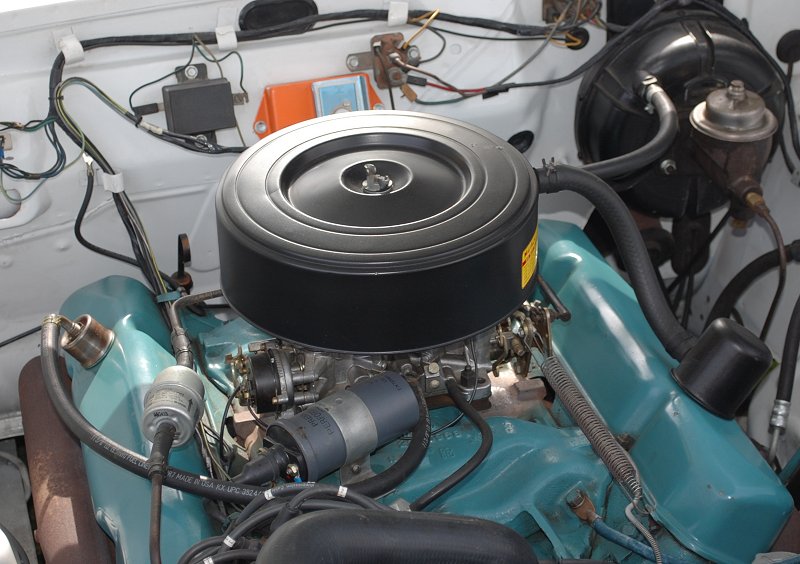
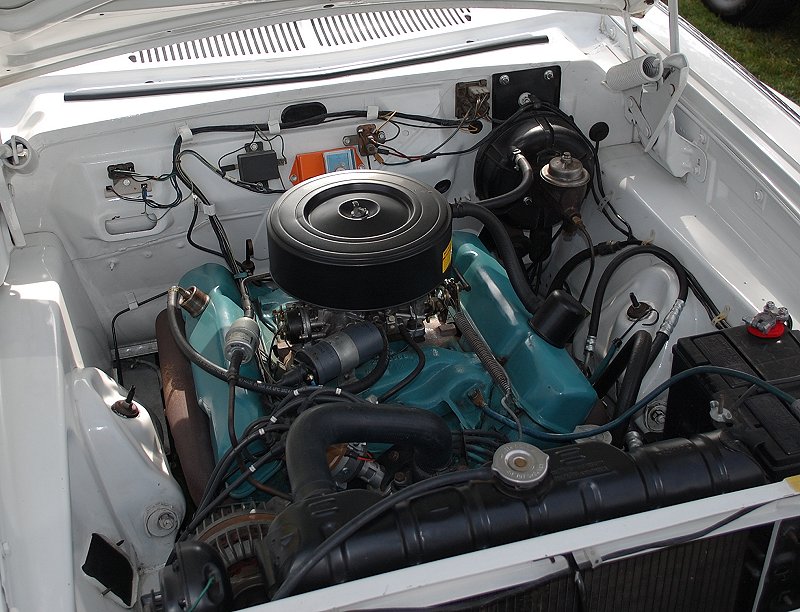
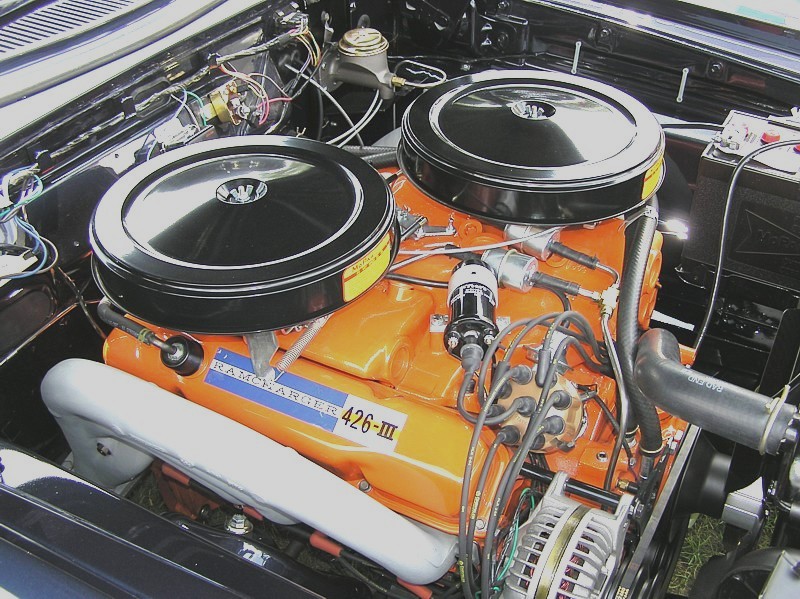
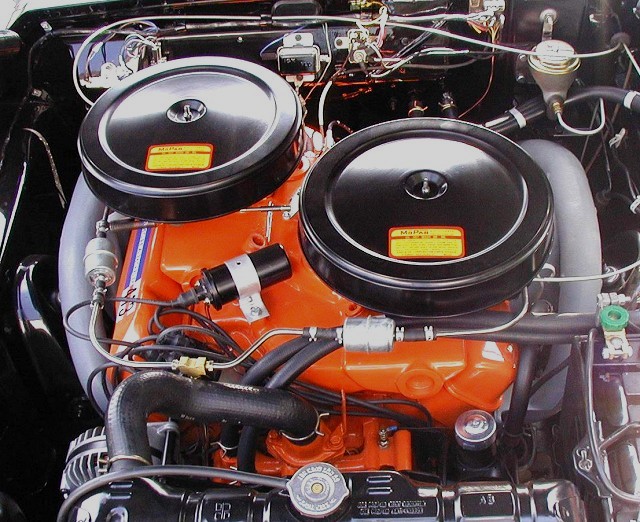
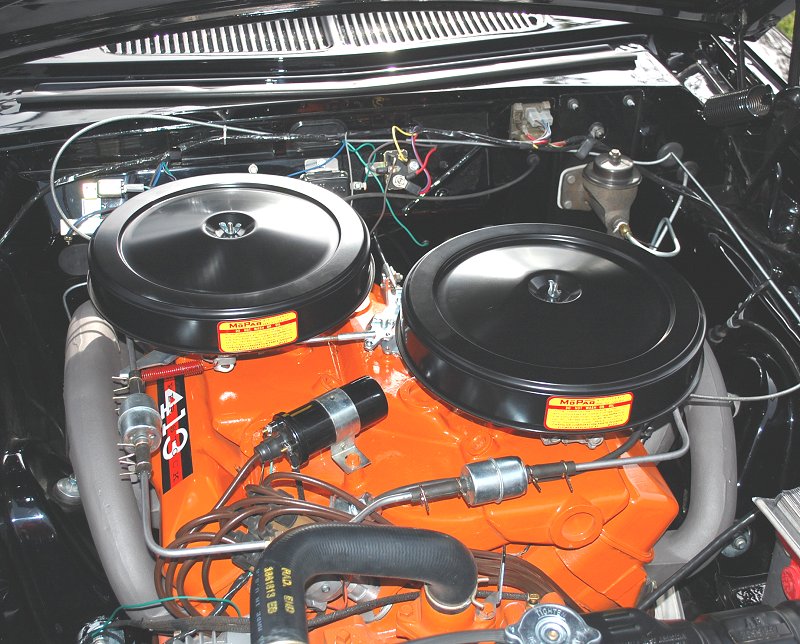
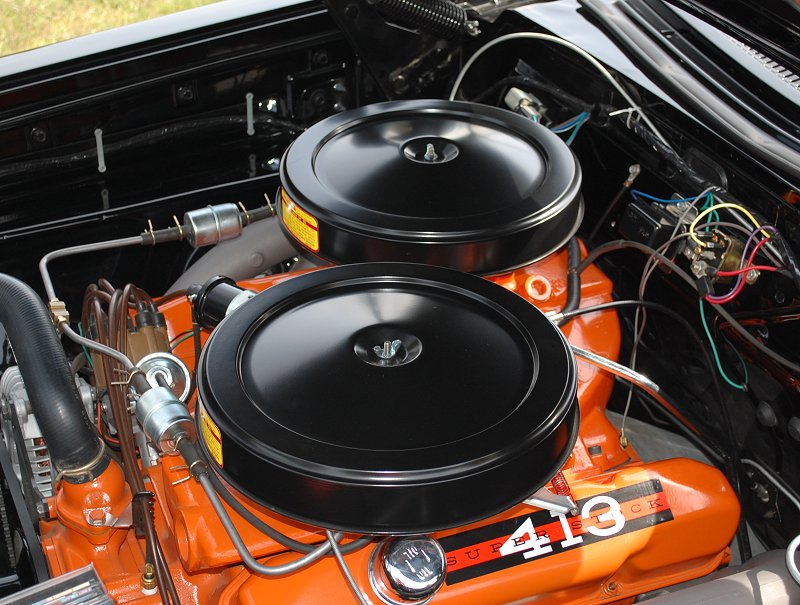
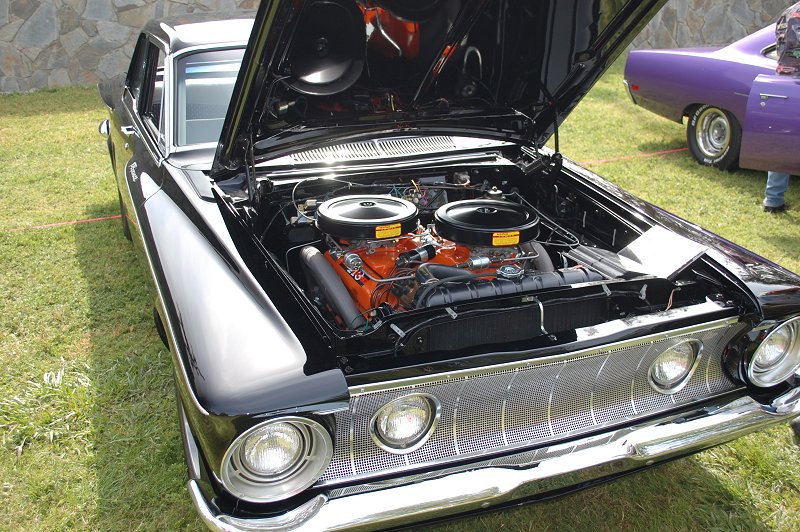
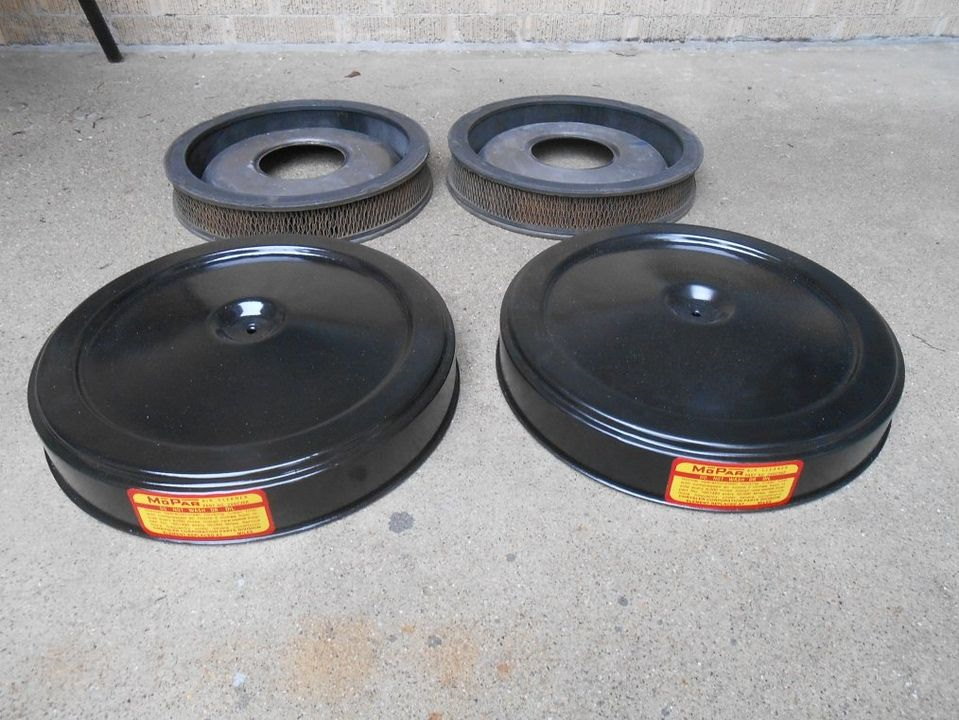
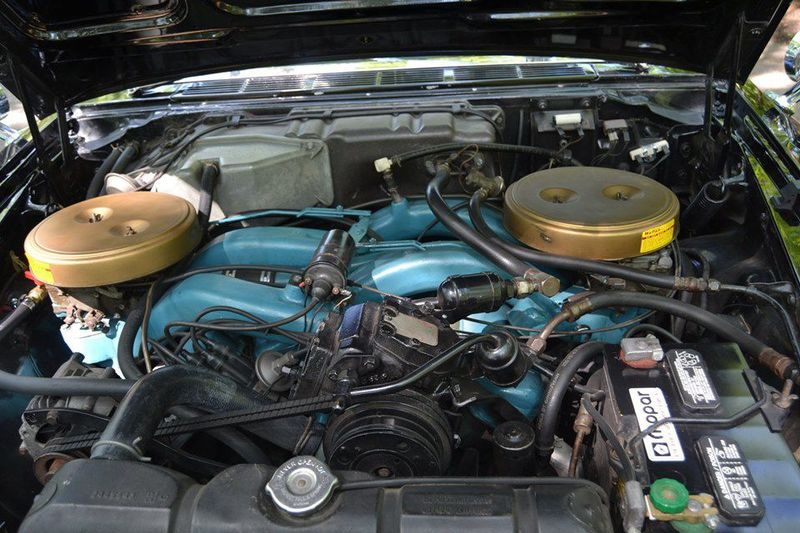
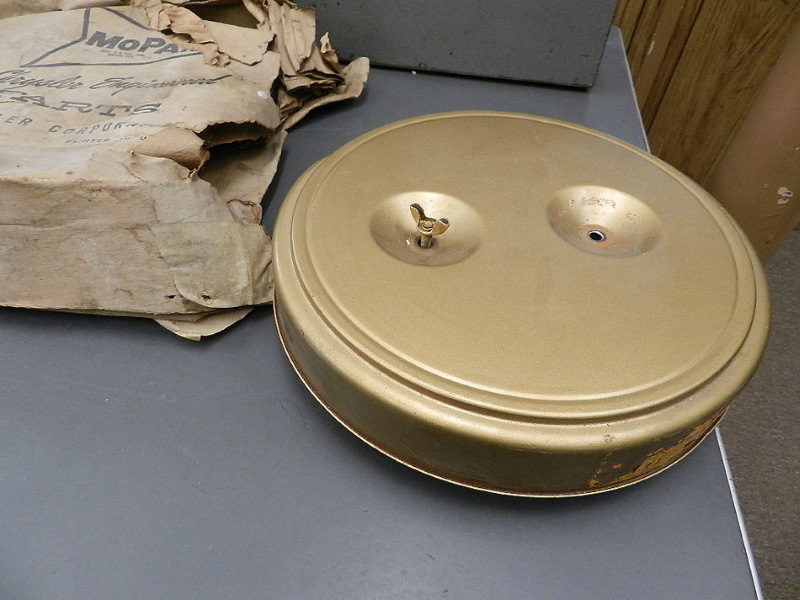
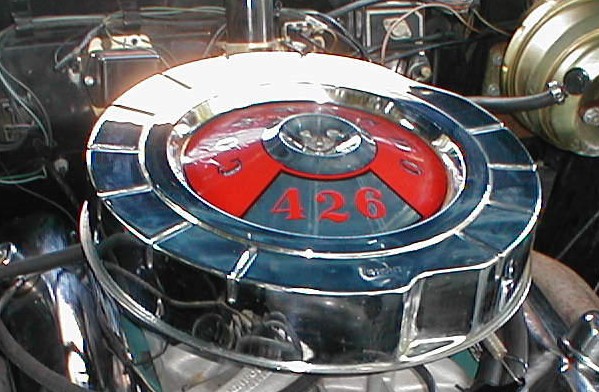
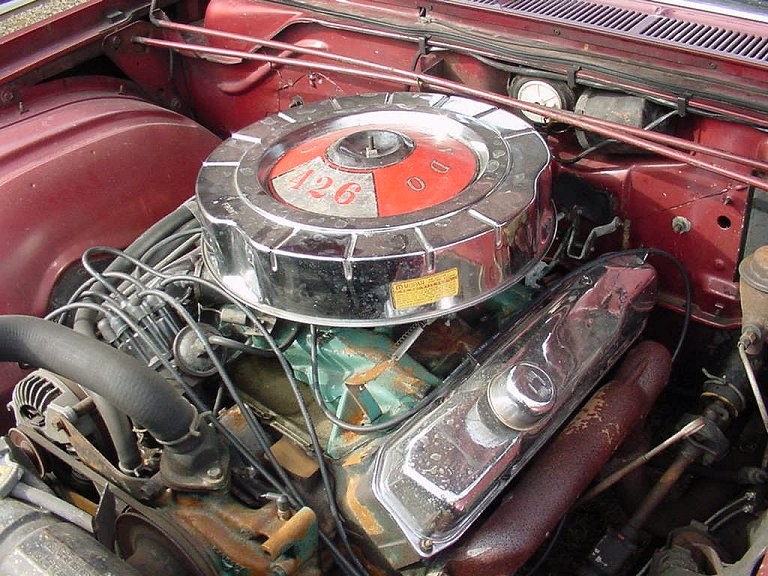
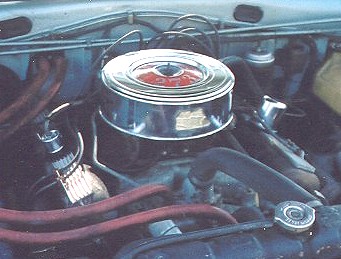
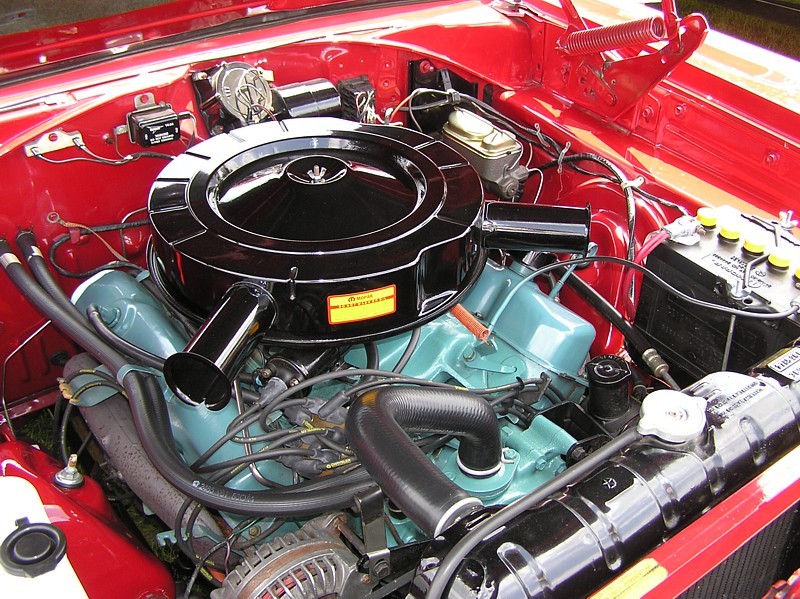
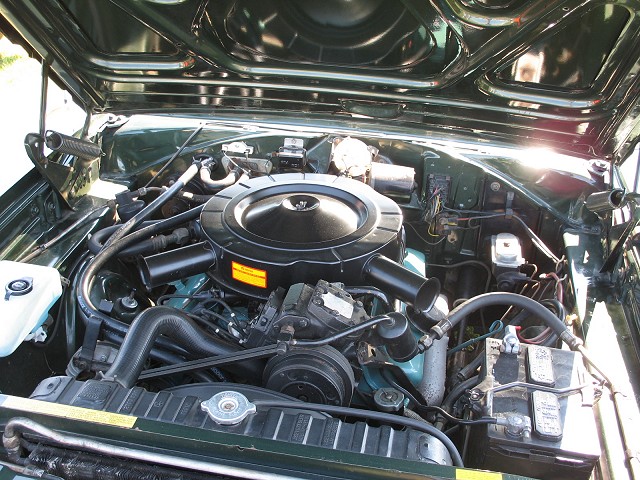
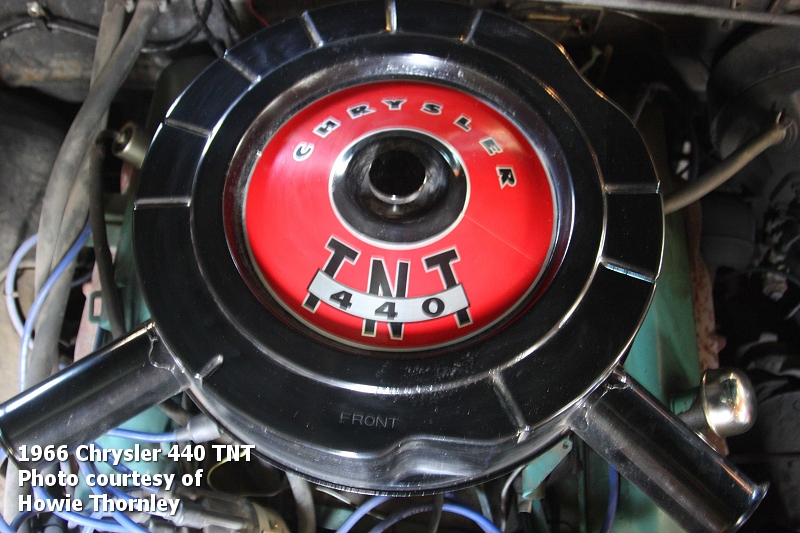
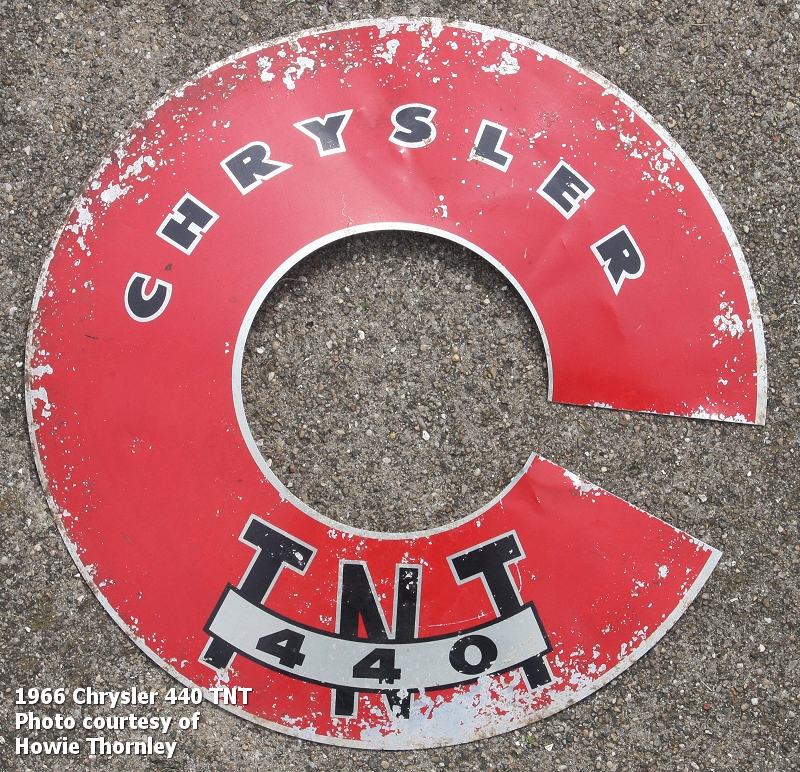
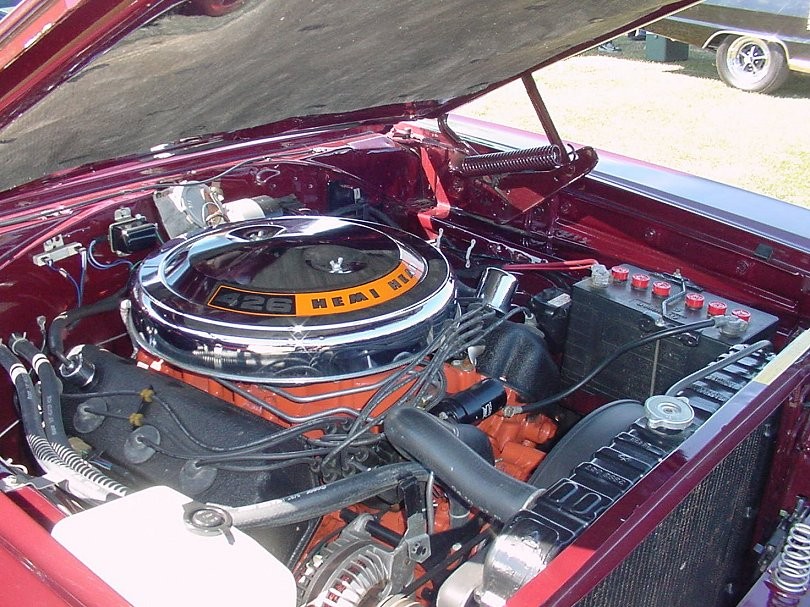
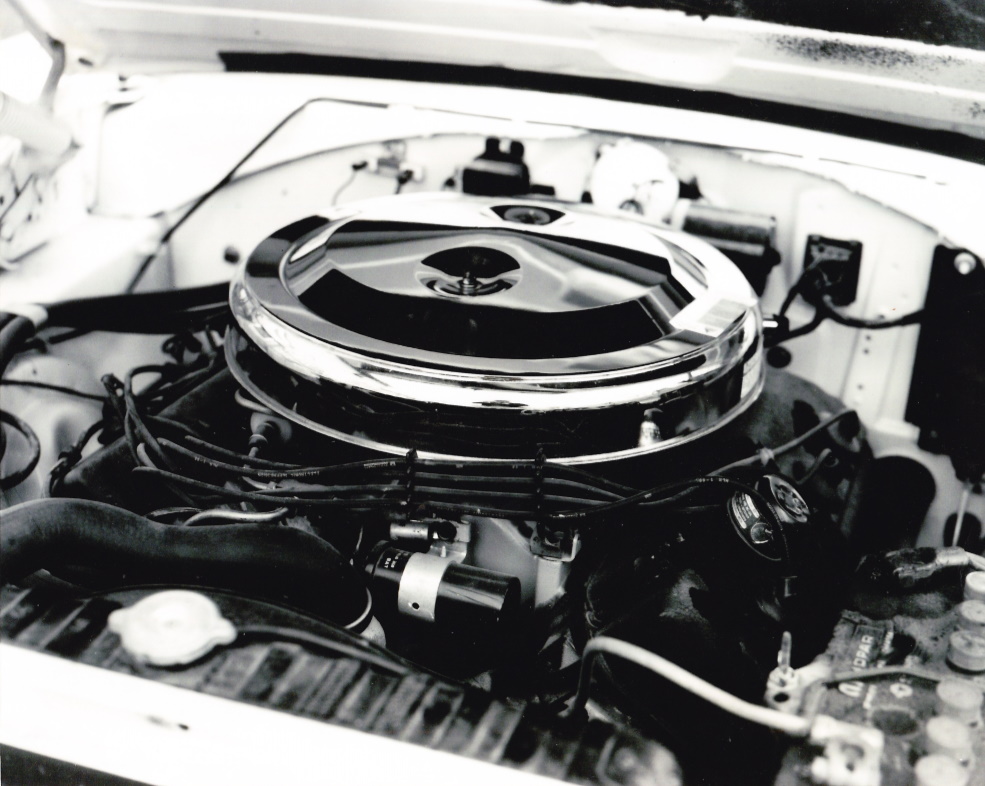
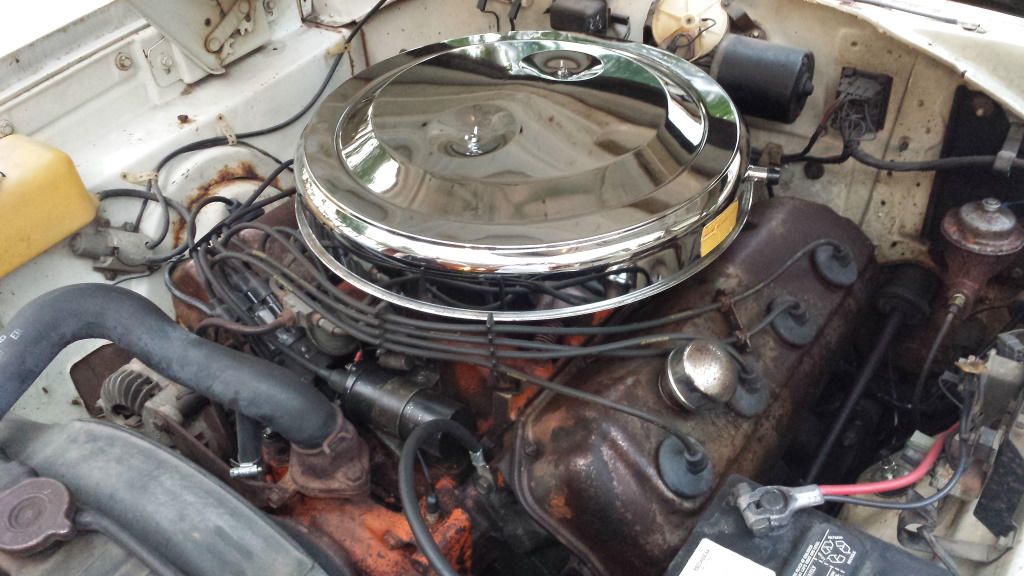
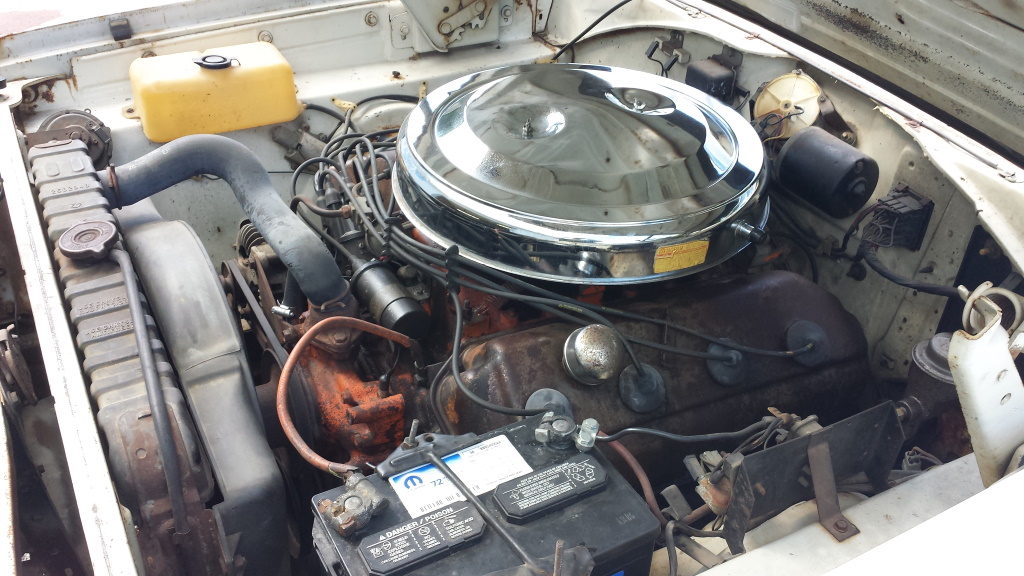
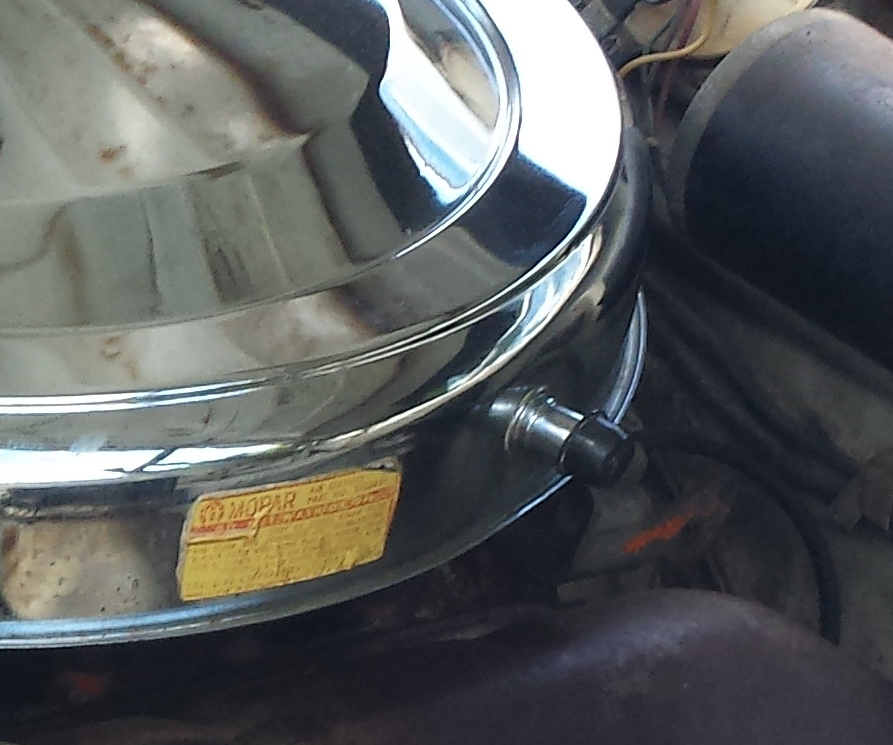
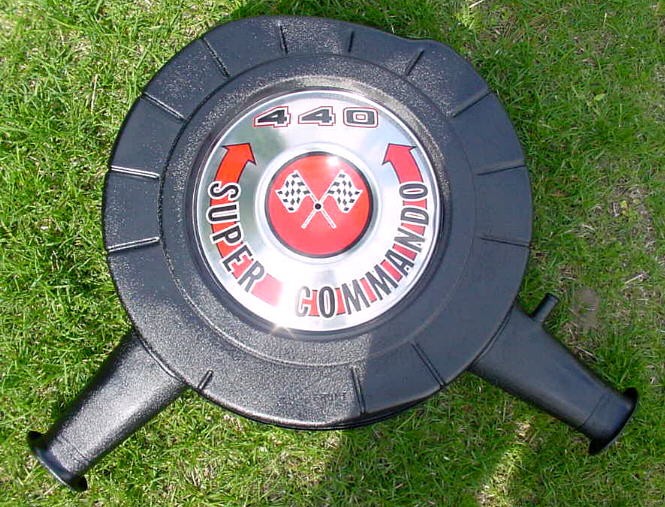
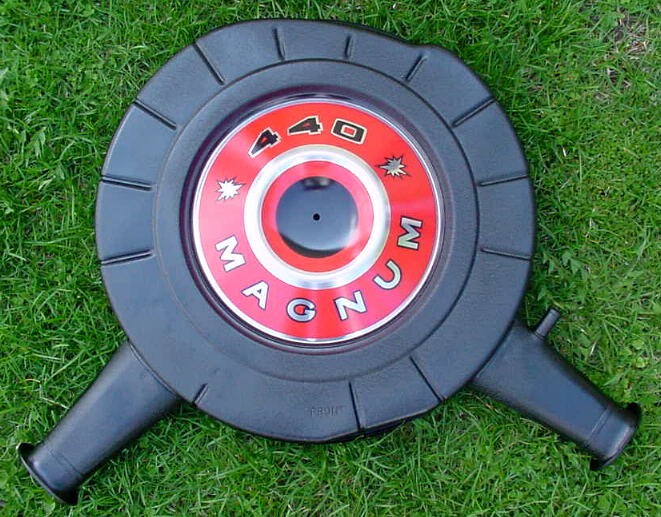
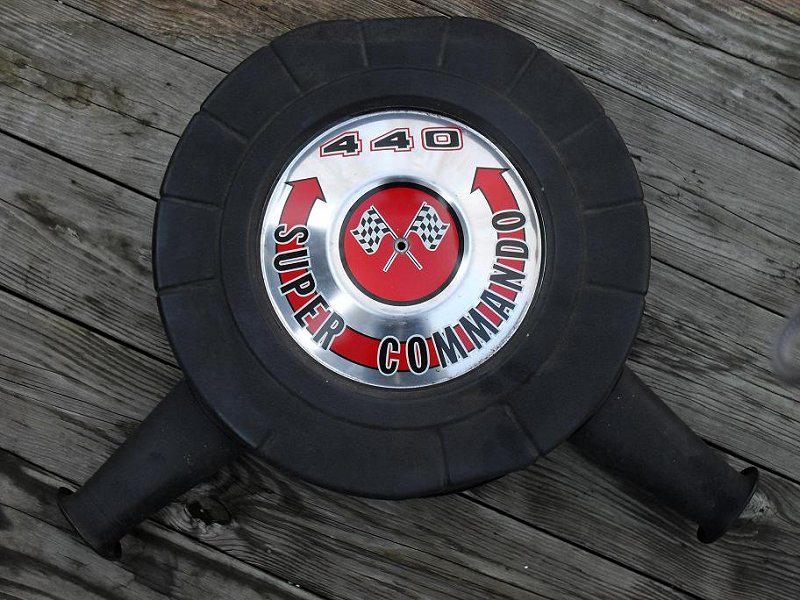
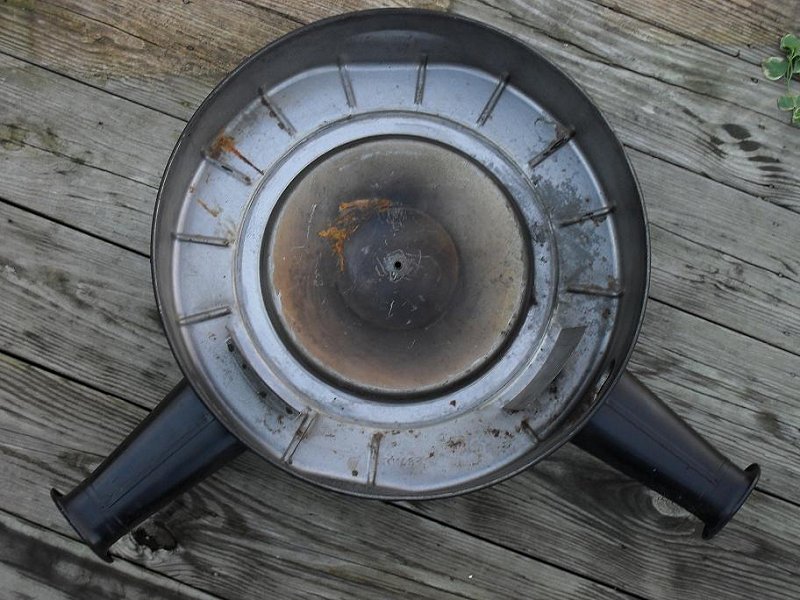
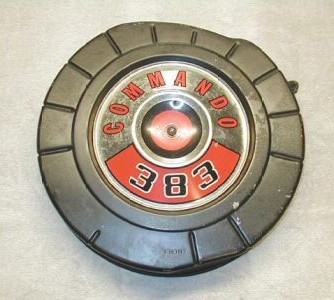
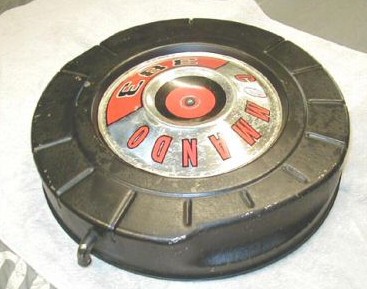
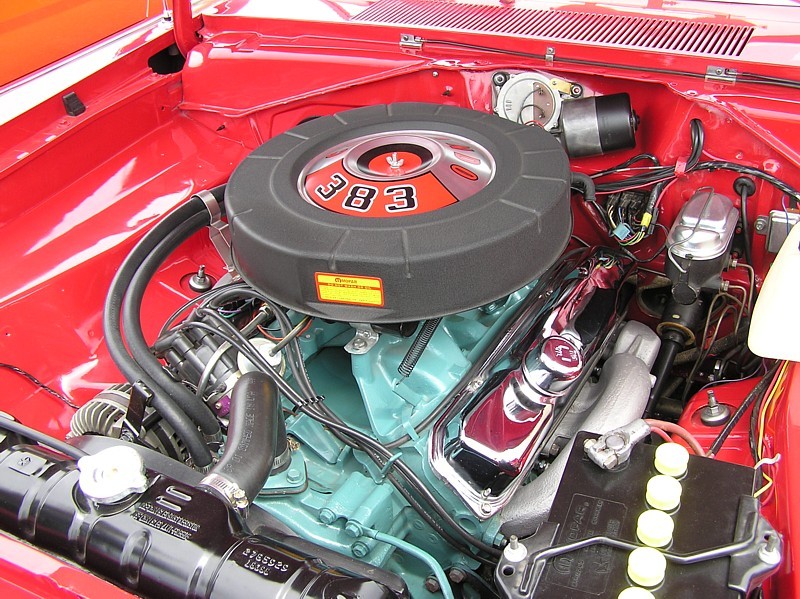
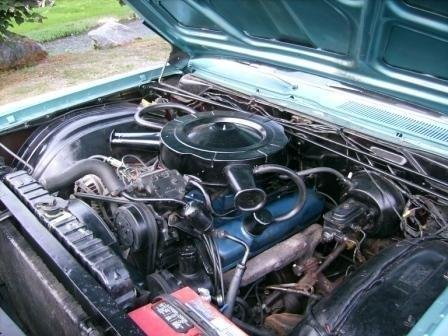
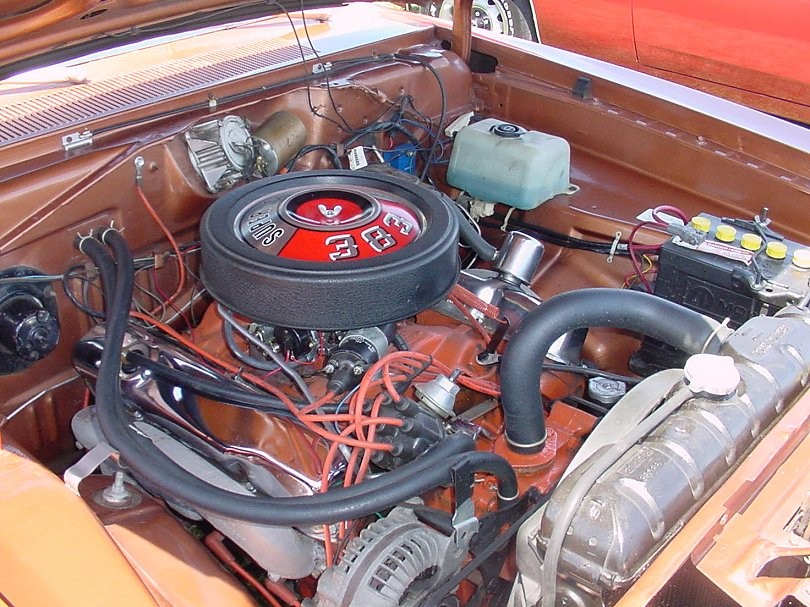
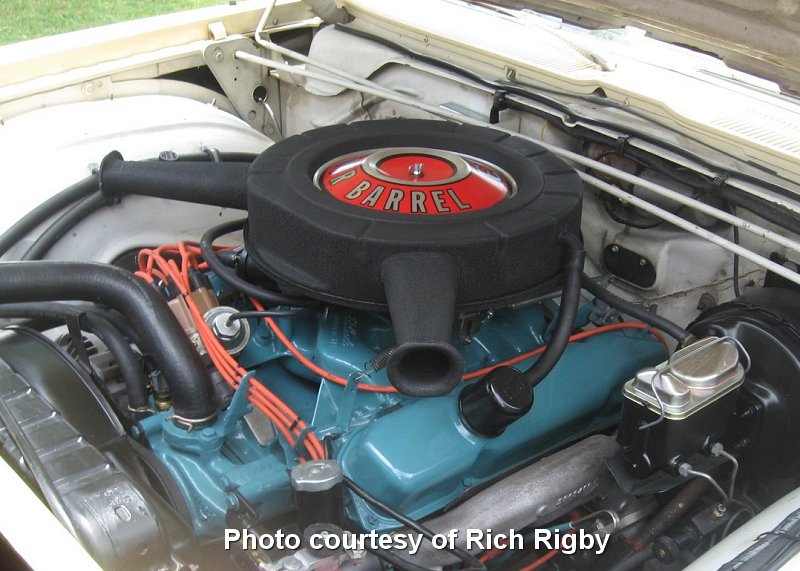
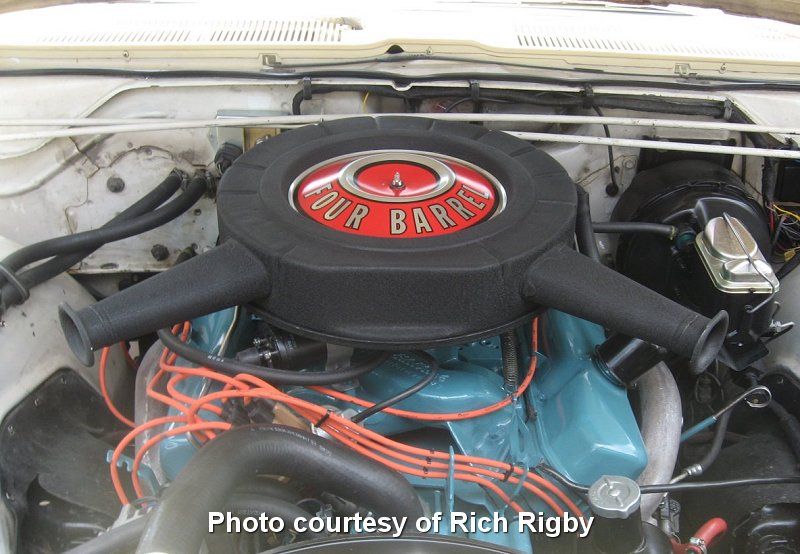
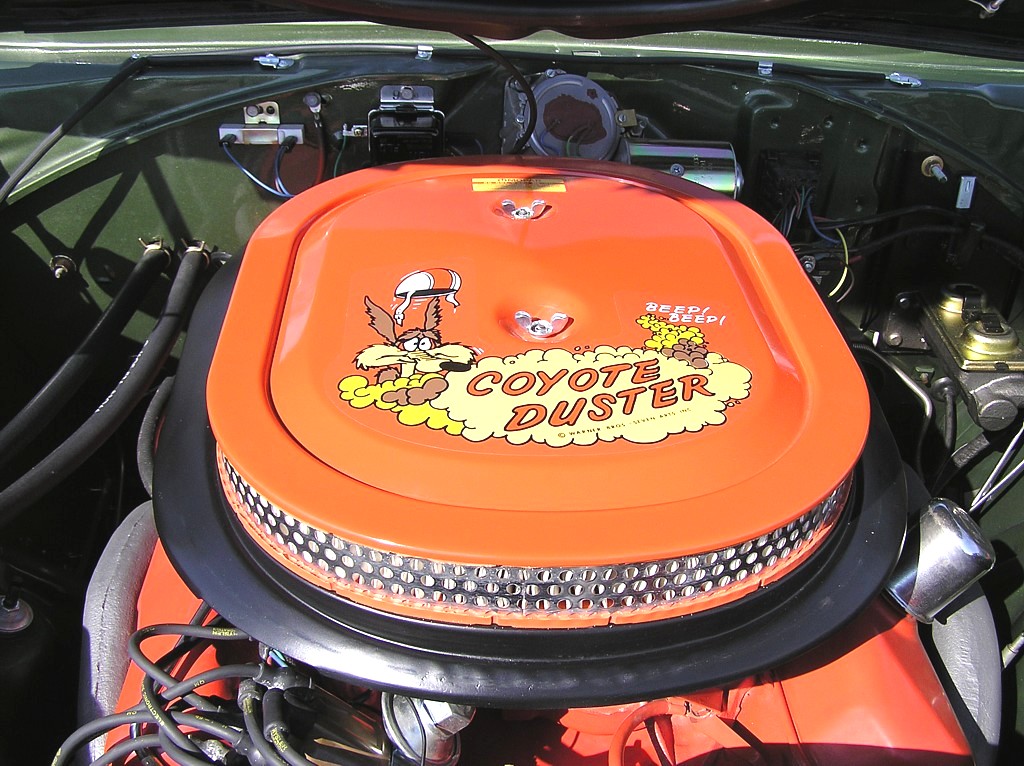
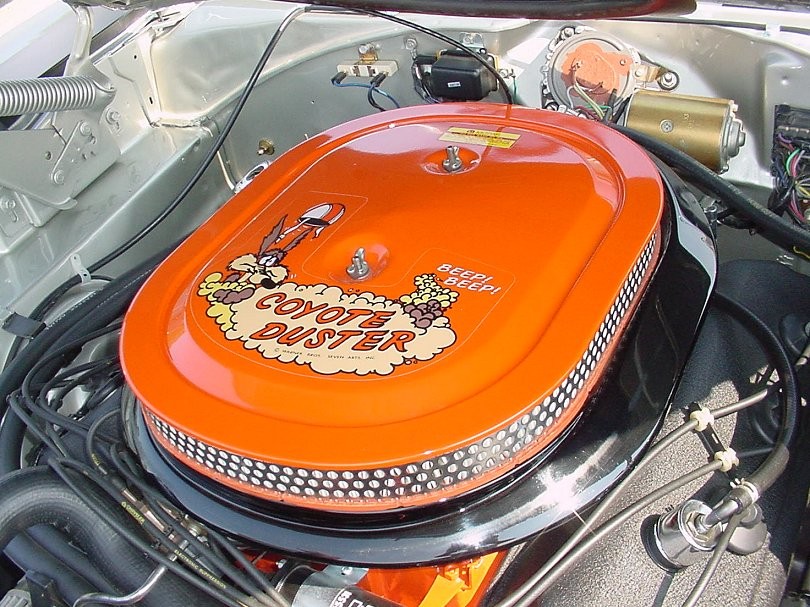
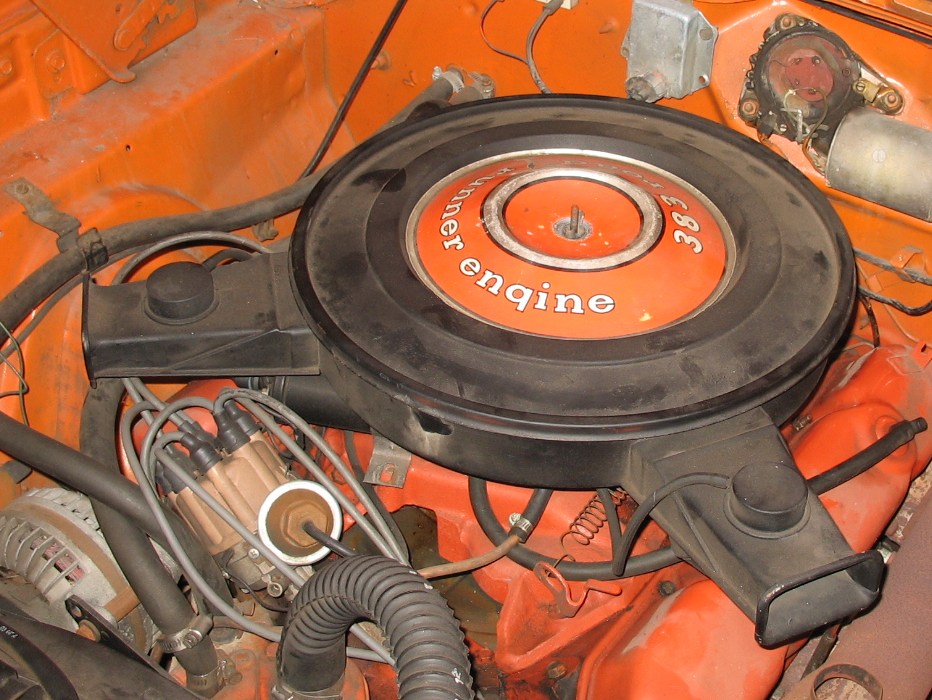
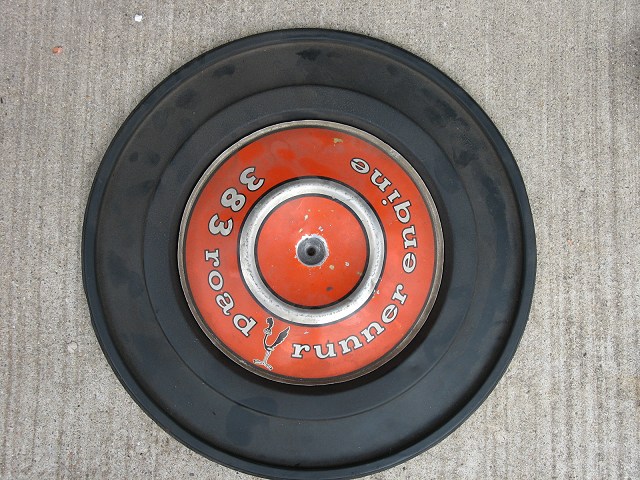
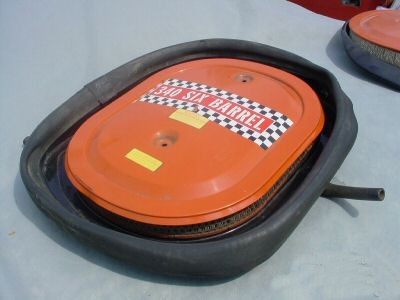
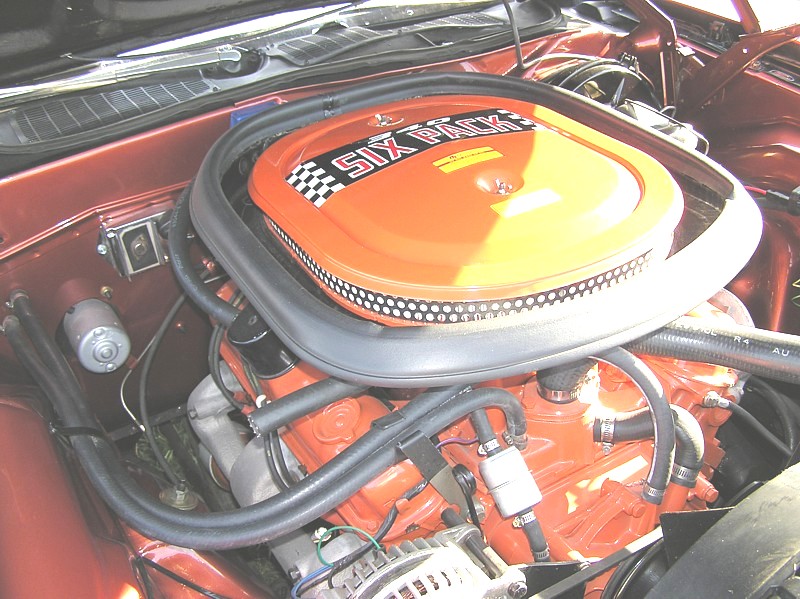
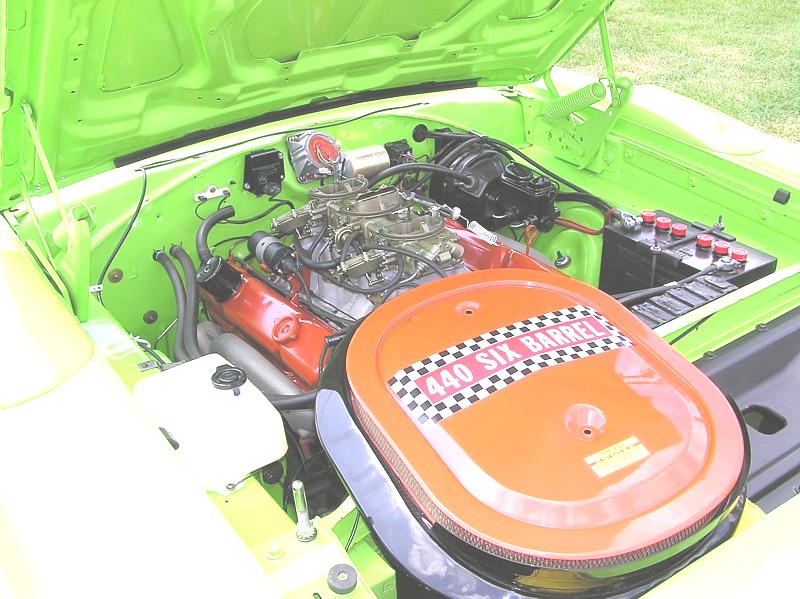
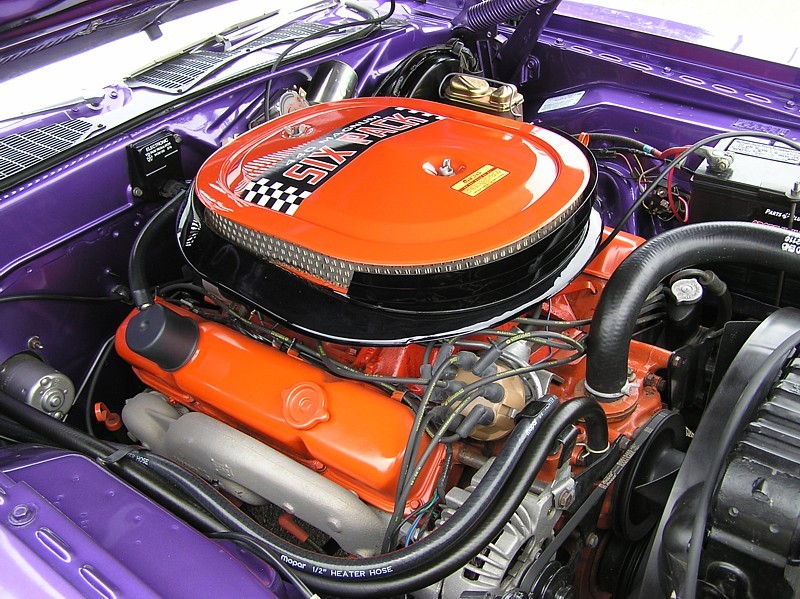
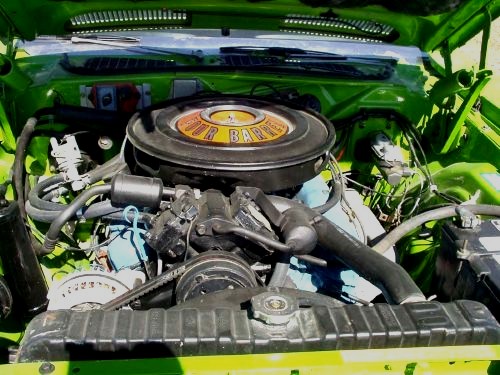
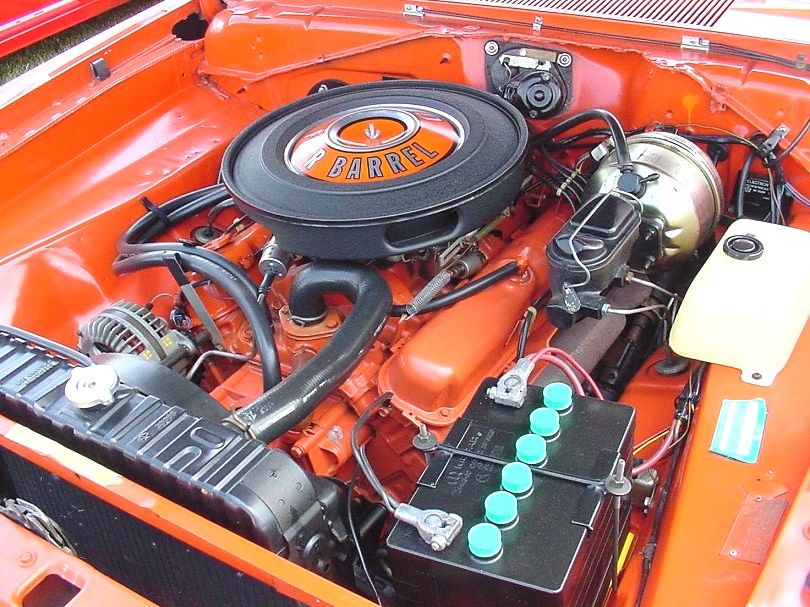
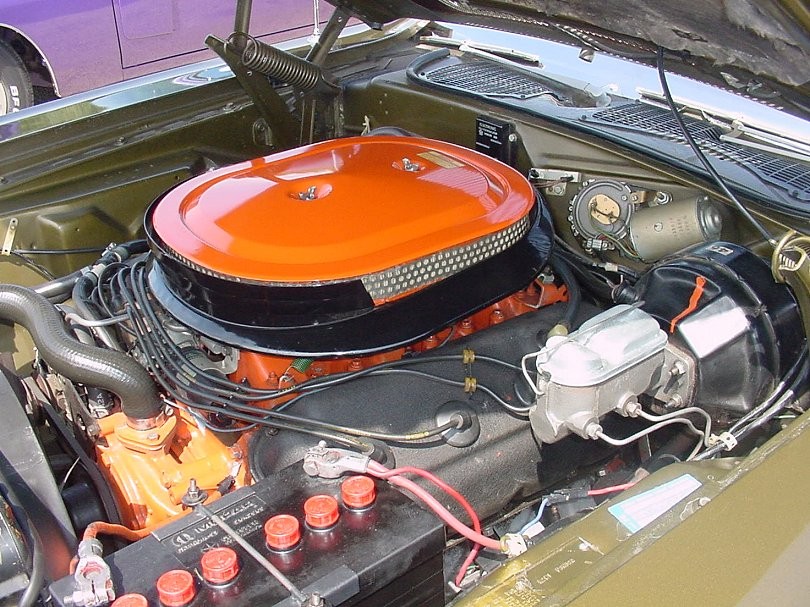
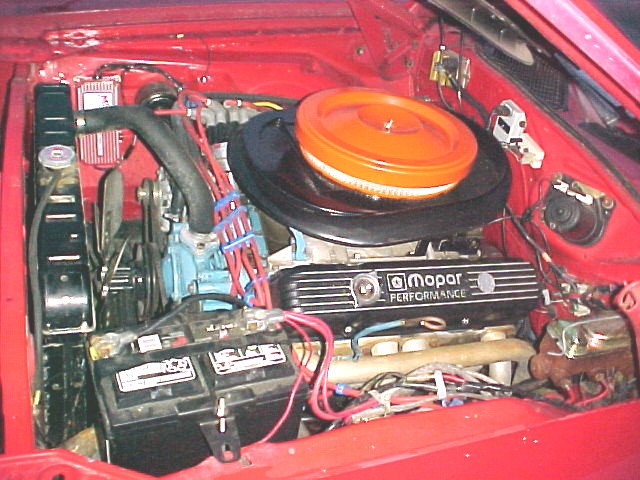
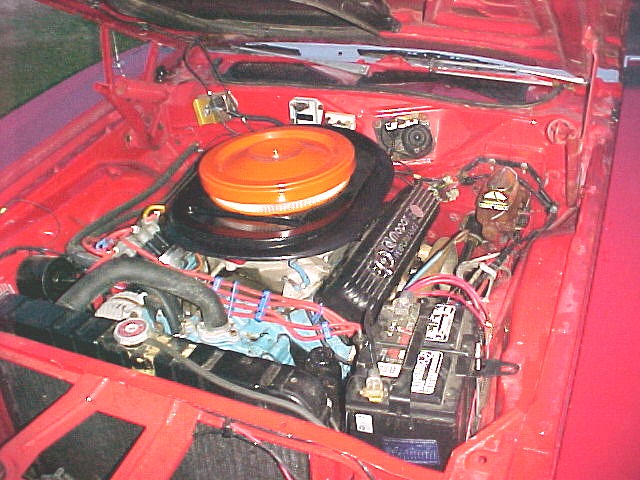
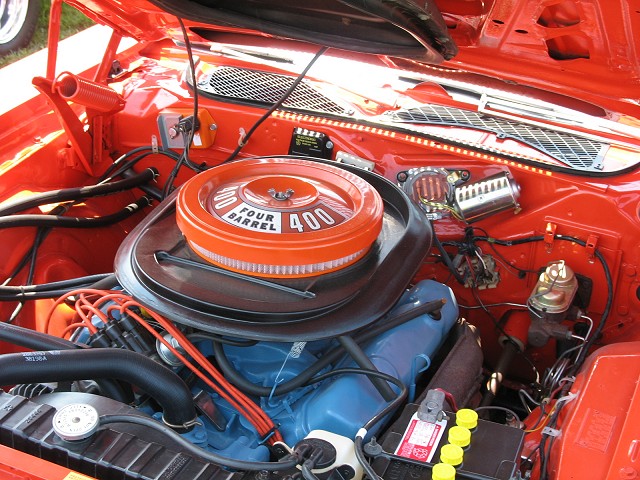
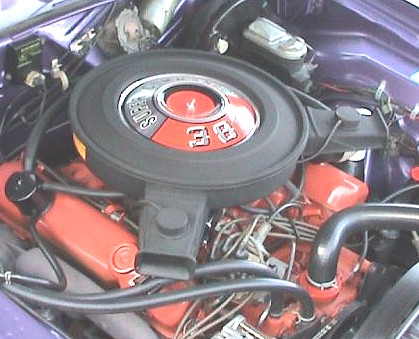
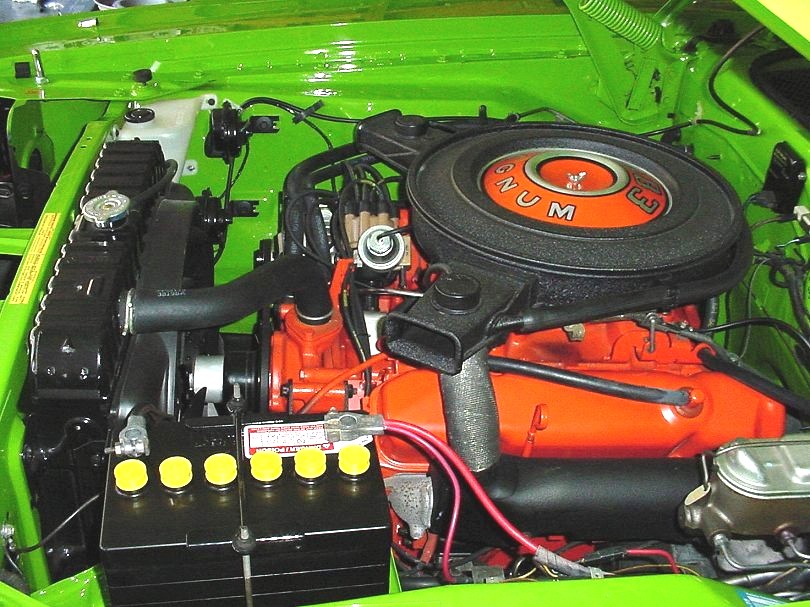
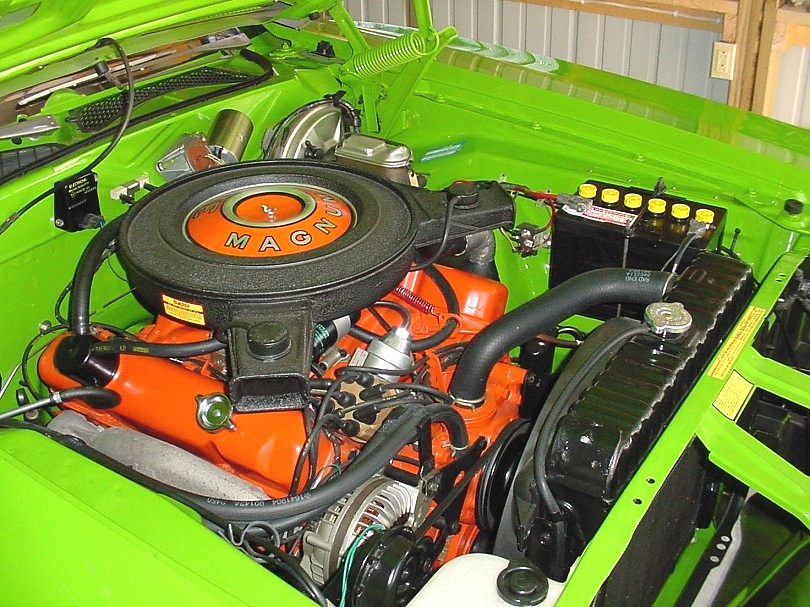
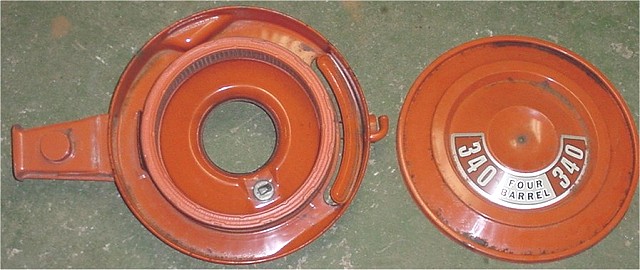
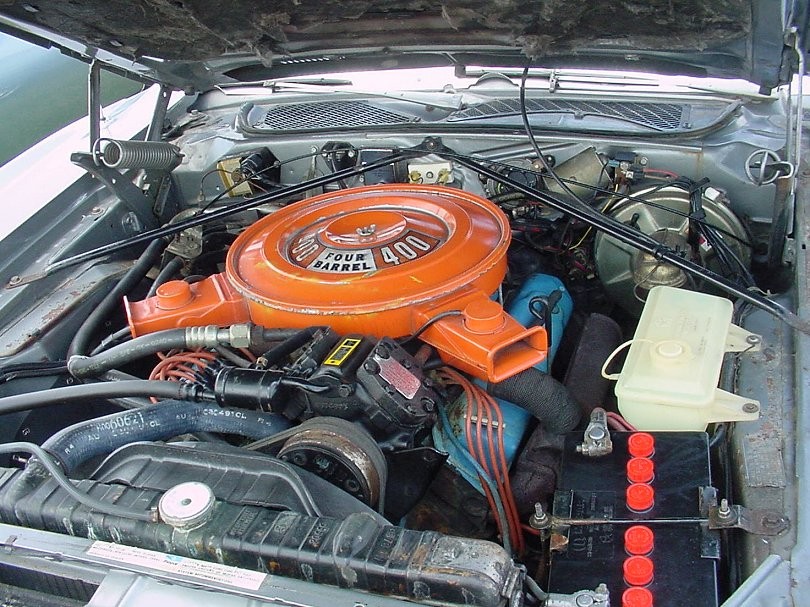
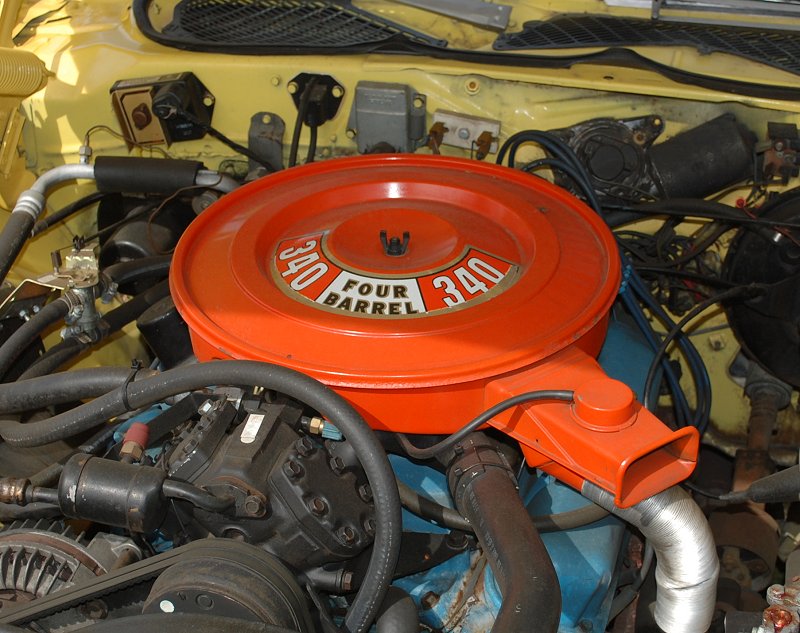
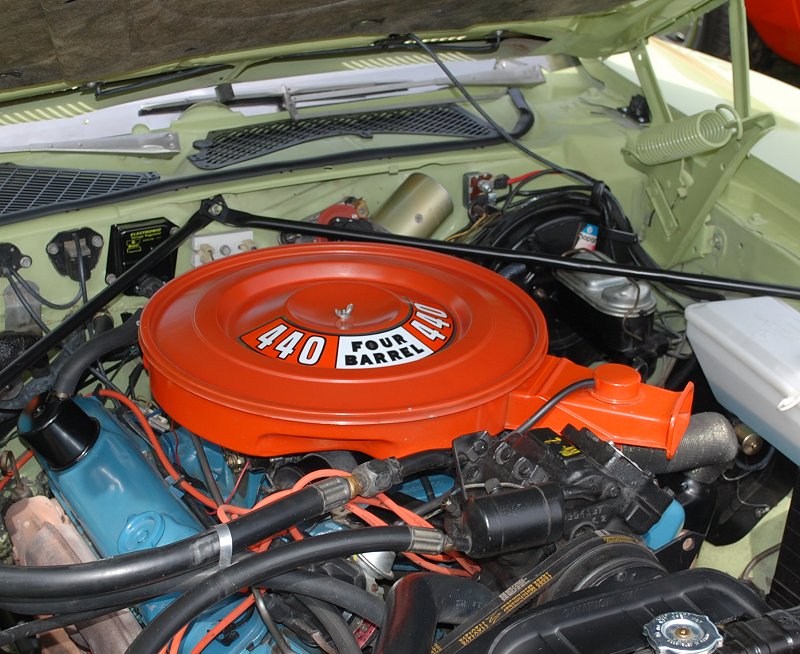
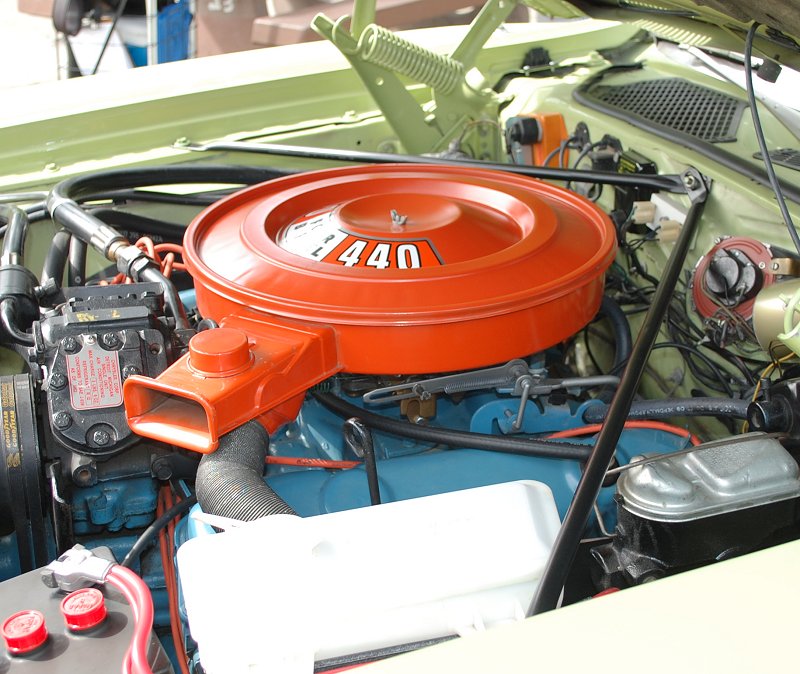
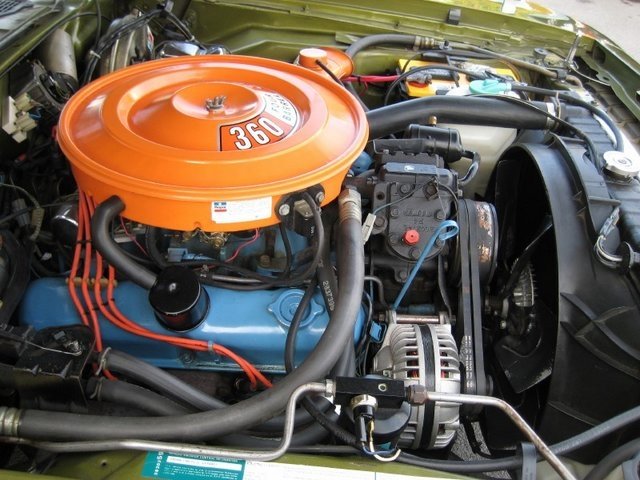
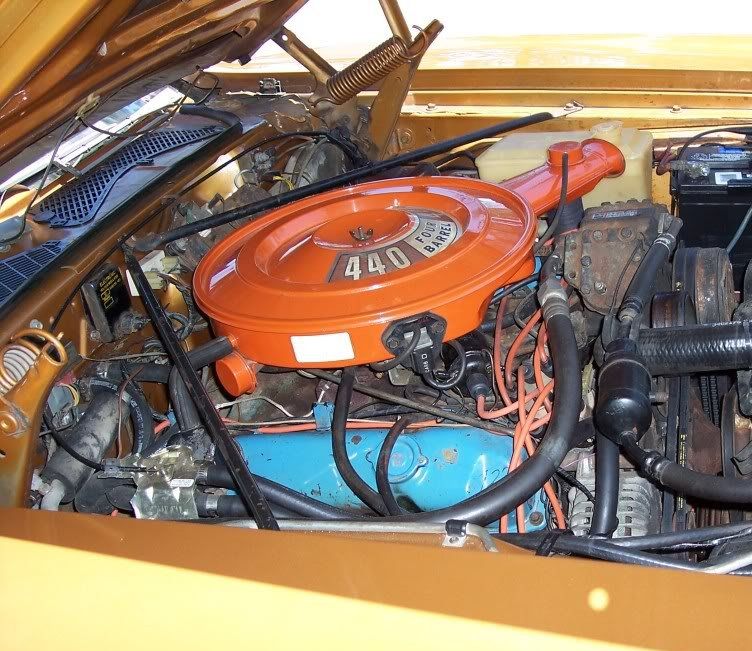
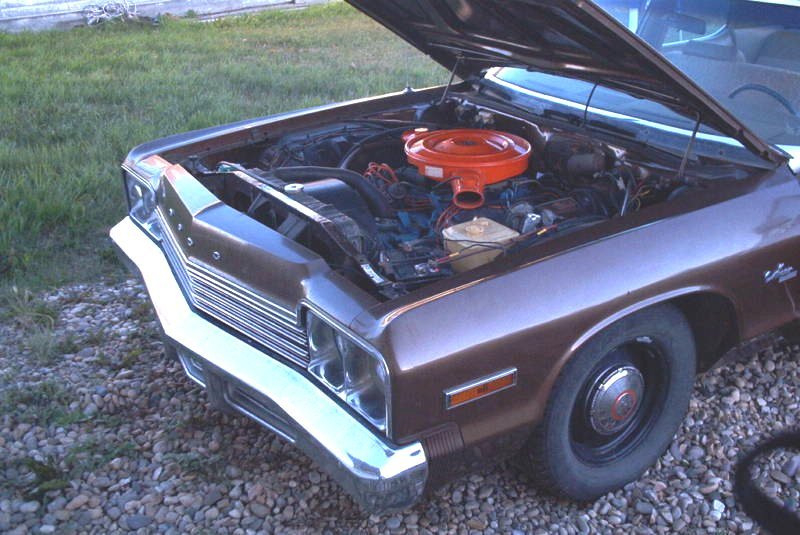
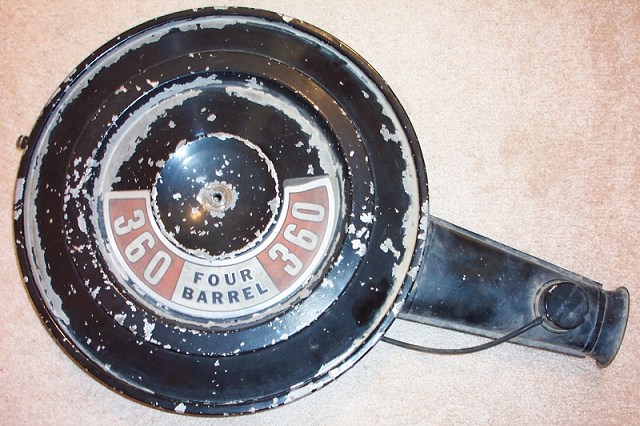
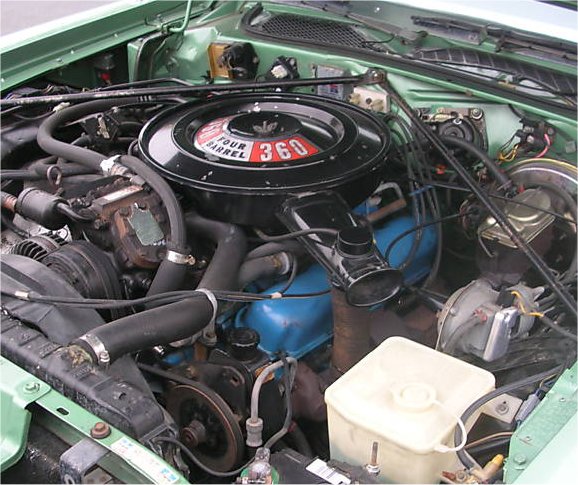
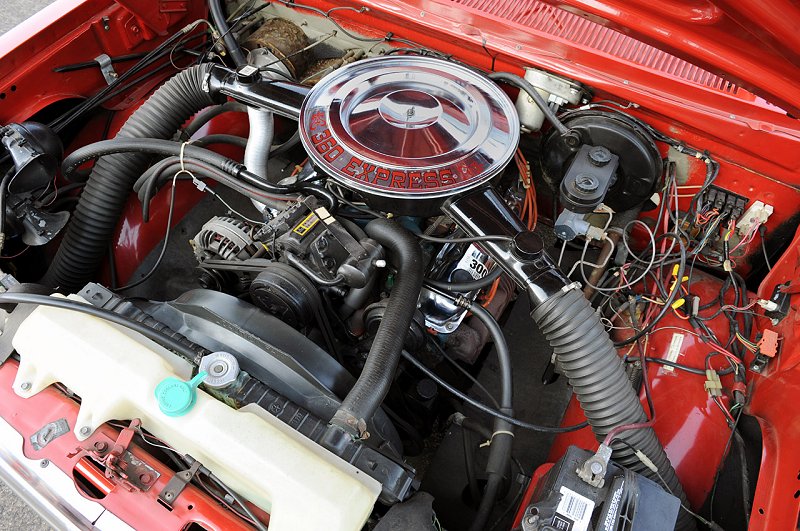
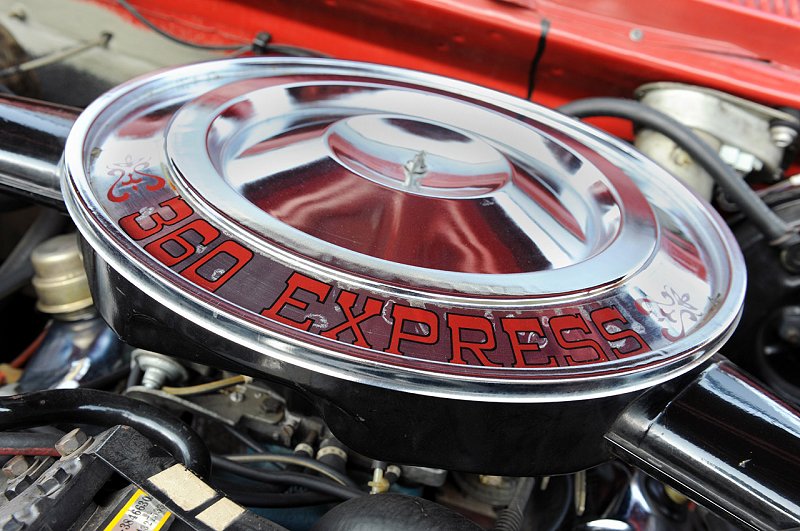
"Pie Tins" are the aluminum discs that fit on top of the round air cleaners and denote the engine in the car. Starting in about 1964 or 1965, Chrysler started putting decorative decals on their chrome air cleaners. The first ones being Plymouth's "426 Commando" decal used on the b-body 426-S 4-Barrel engine. Also using a label are the 273 4-barrel engines used in the Barracuda, Valiant and Dart models. The Barracuda and Valiant ones said "273 Commando" while the Dart ones said "273 Charger". I don't believe that the 426-S engine used in other models used a decal. The 426 Hemi chrome air cleaners used decals and there are two styles. A small one for 1966-67 and a larger one for 1968-69. The 1966 Chrysler 440 T-N-T engine used a metal decal as well. The oval air cleaners used on several models from 1969-72 used various decals to denote the engine.
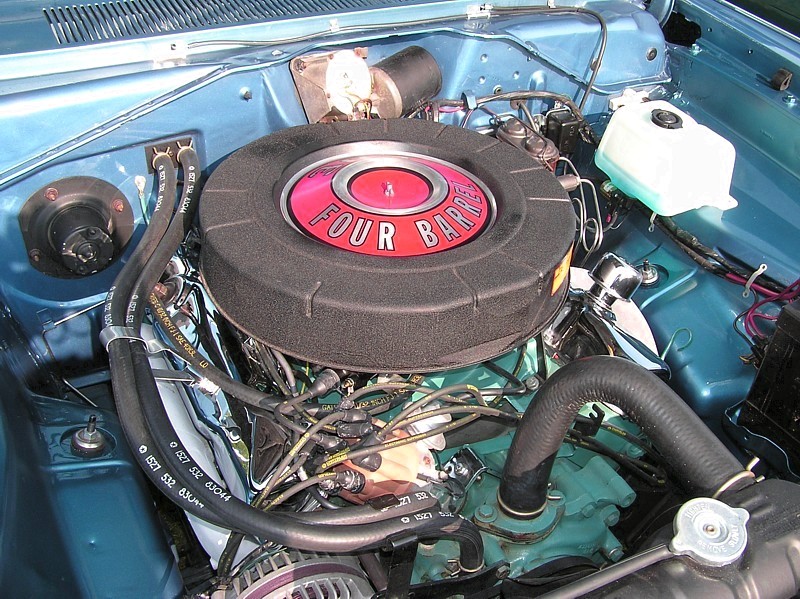
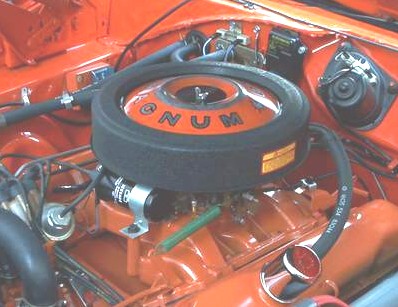
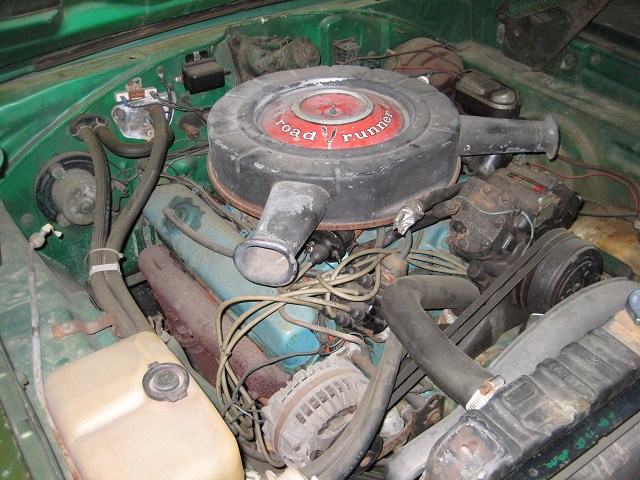
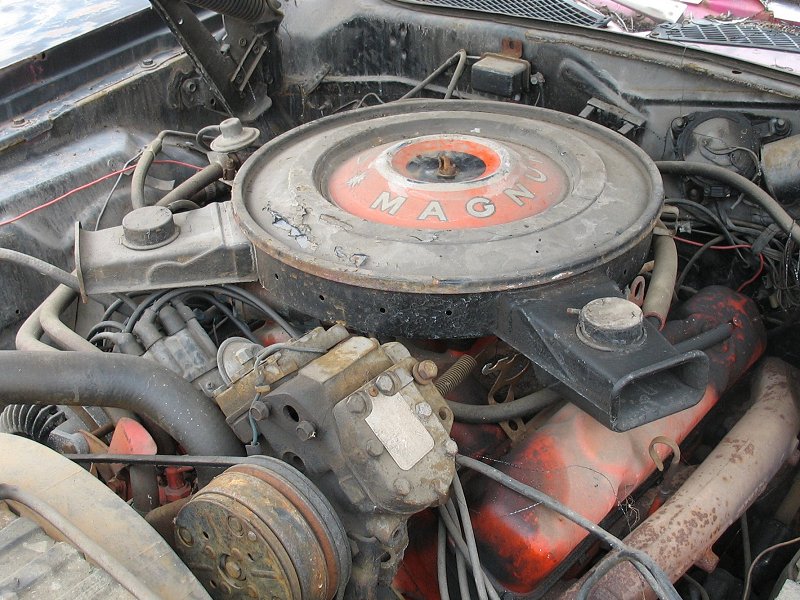
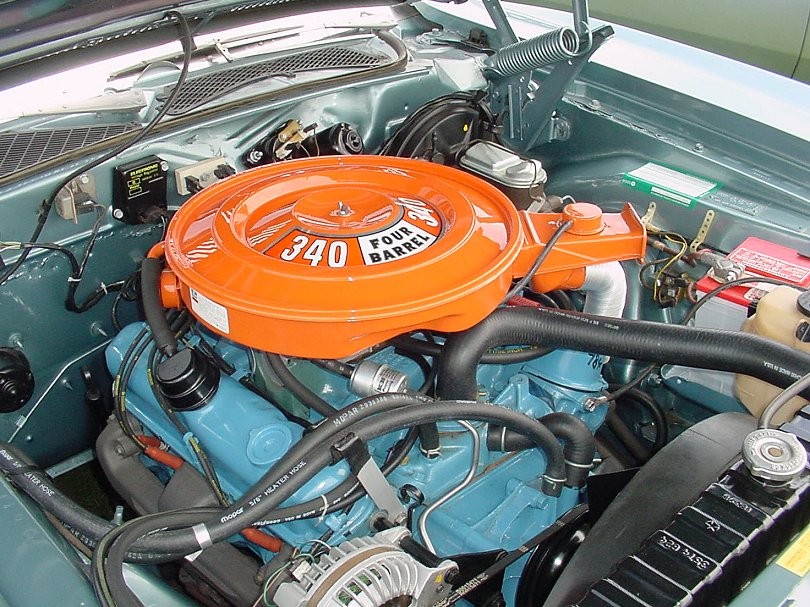
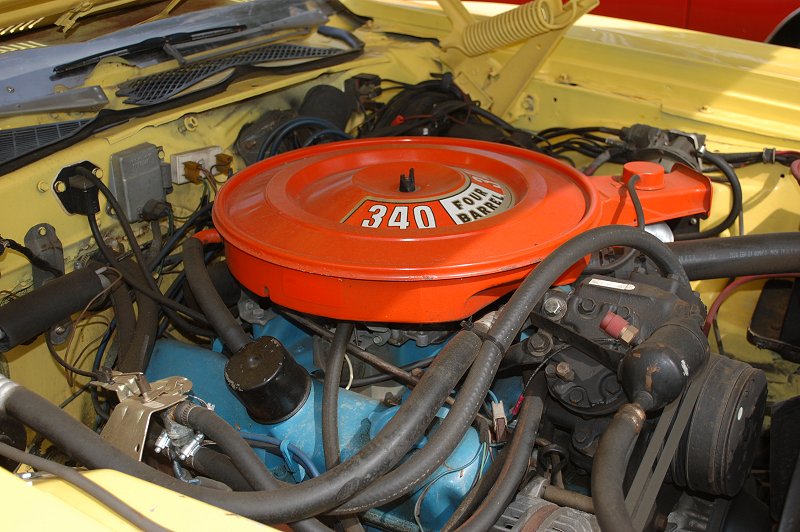
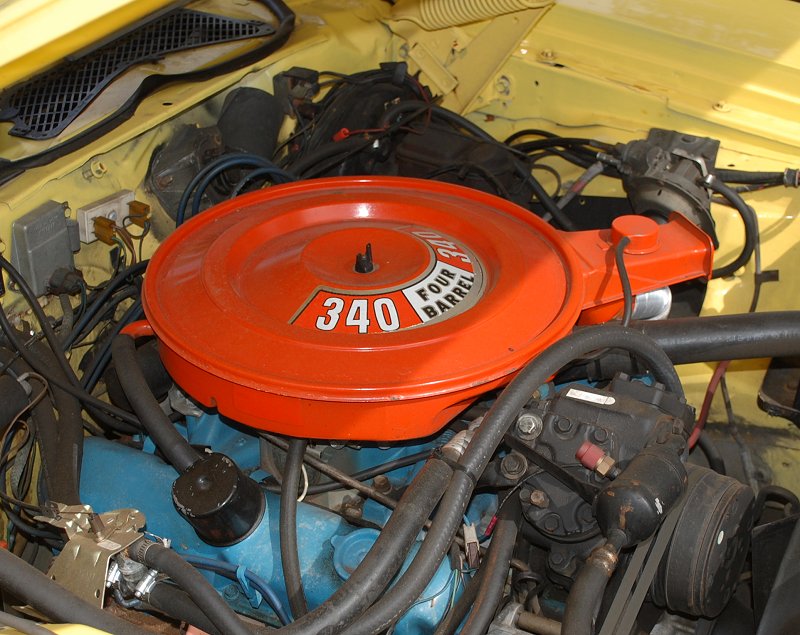
Pie Tins on performance cars started in 1967 with the Belvedere GTX and Coronet R/T, and possibly the Charger, equipped with the 440 engine. The Plymouth ones said "440 Super Commando" and had crossed flags in the center where the wingnut goes. The Dodge ones said "440 Magnum". The Barracuda and Dart models equipped with 383 engines also got pie tins with the Barracuda calling out "383 Commando" and the Dart with "383 Four Barrel". In 1968, Plymouth Road Runners came on the scene and they used "383 Road Runner" pie tins. The 1968 and newer 340s all used "340 Four Barrel".

In general, Plymouth cars used "Commando" on Barracuda and non-performance models and "Super Commando" on performance models except the Road Runner which used "383 Road Runner". Dodge used "Four Barrel" on Dart and non-performance models and "Magnum" on performance models. Red coloring was used up through late 1968 (some early 1969 models?) and orange coloring was used for most 1969 models and later.
Chrysler and Imperial also used pie tins. For Chrysler, they came on the "440 T-N-T" engines as there were two performance levels for the 440 in the full size cars. Imperials used a silver and black tin with "Imperial" lettering on them. Furys, Polaras and Monacos may have used pie tins with the 440 HP motors. I don't know as much about the full-size applications.
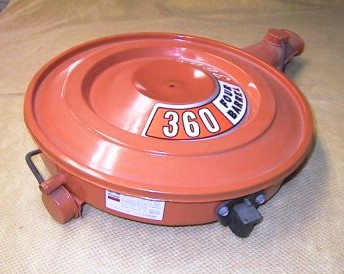
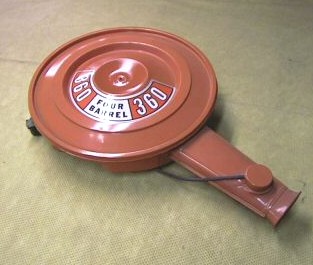
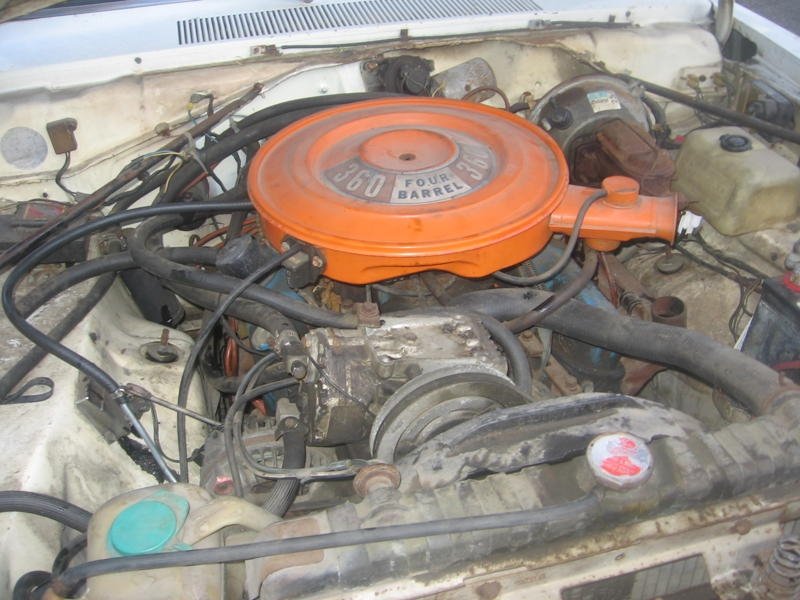
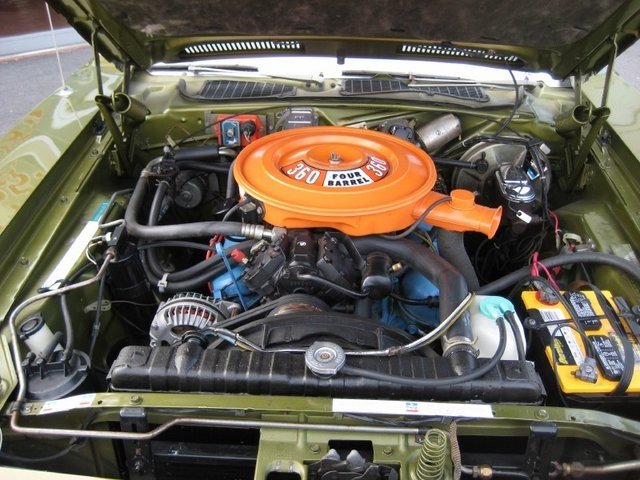
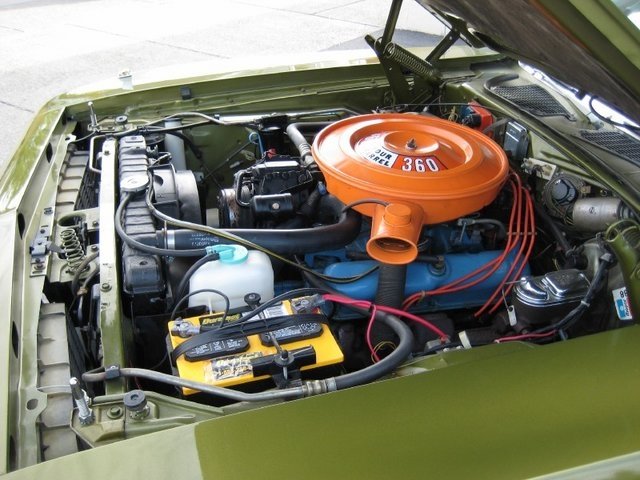
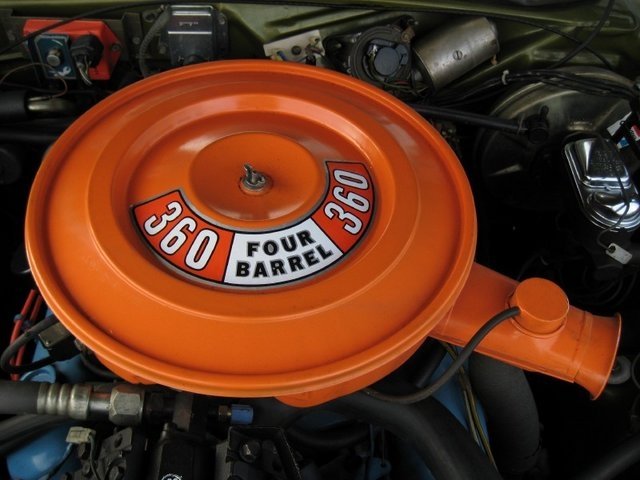
Starting in 1972, the pie tins started to go away and were replaced with decals that went partially around the center of the lid. These said "Four Barrel" in the center with the engine displacement shown at each side. They were used on 340, 360, 400 and 440 engines.
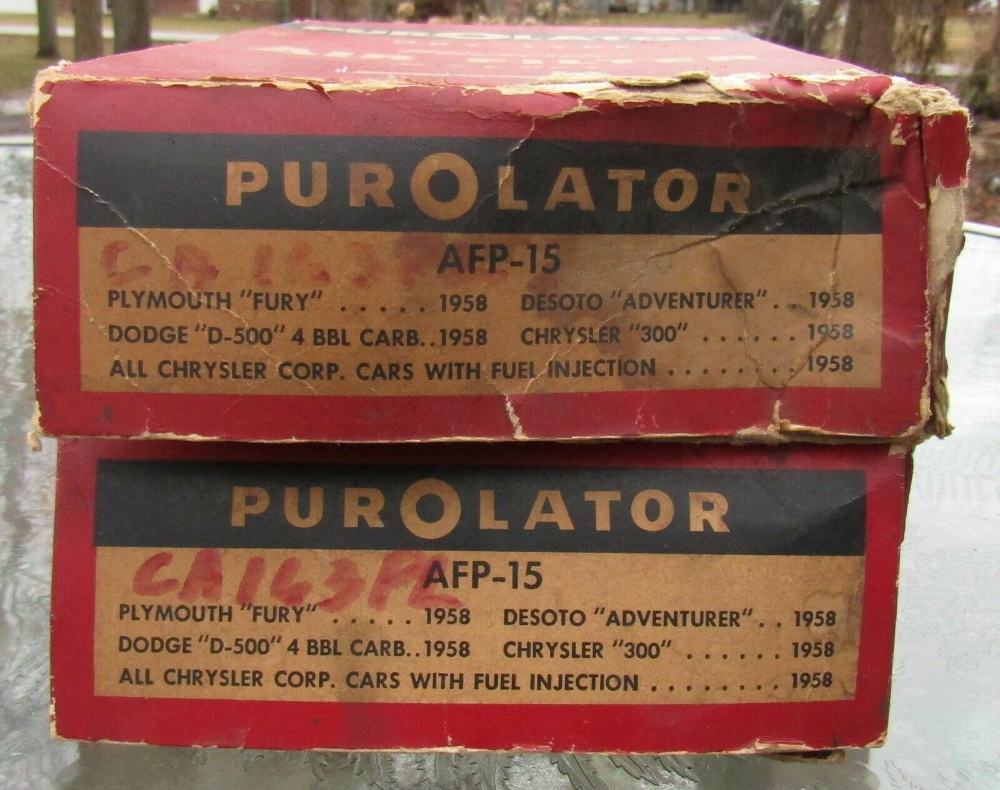
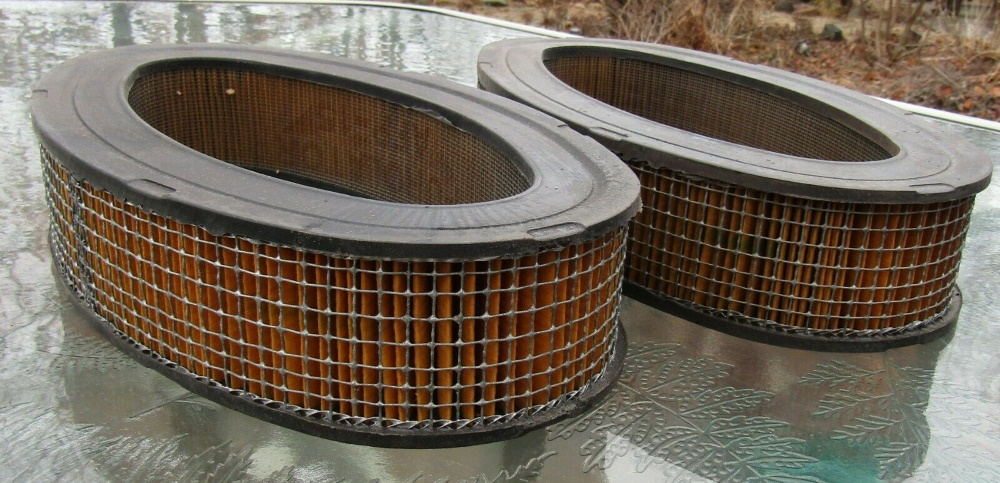
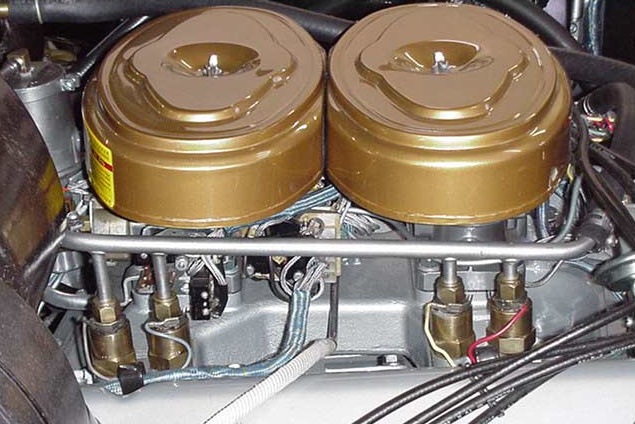
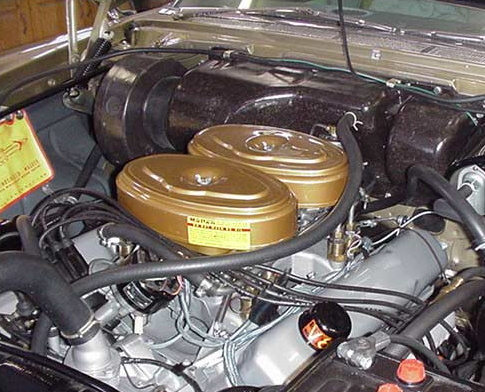
Pie tins made a comeback on some of the lean burn engines as well as the fuel-injected Imperials.
If you have information to add or correct, please let me know.
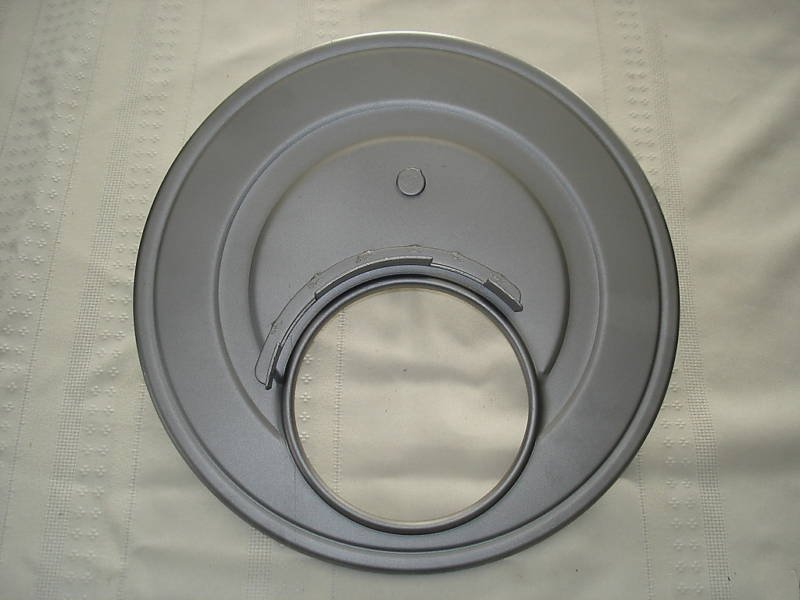
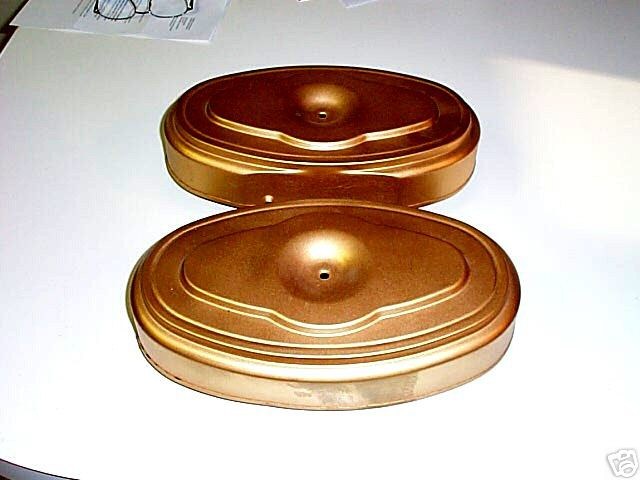
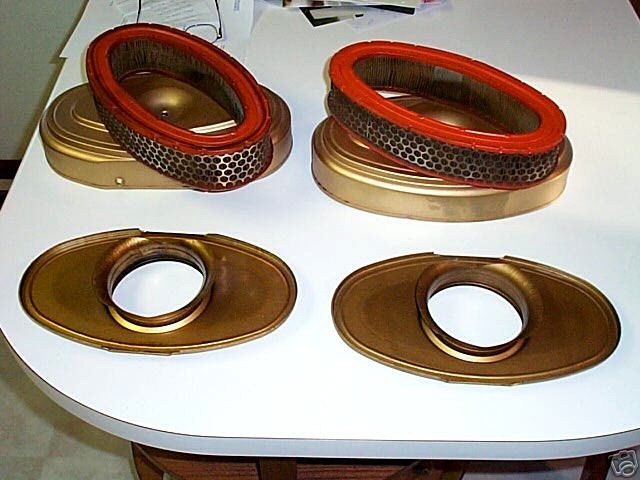
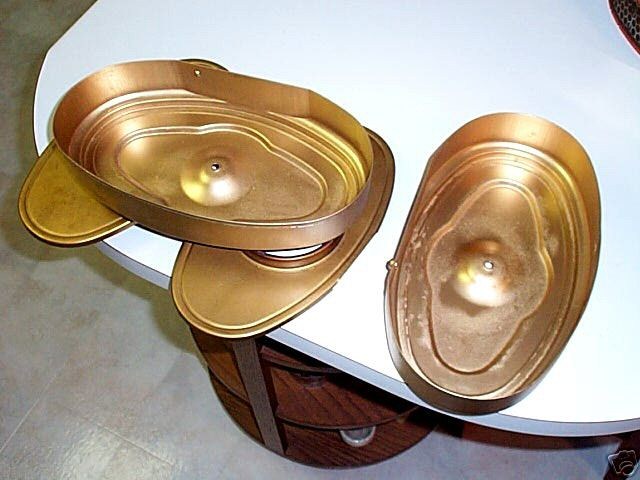
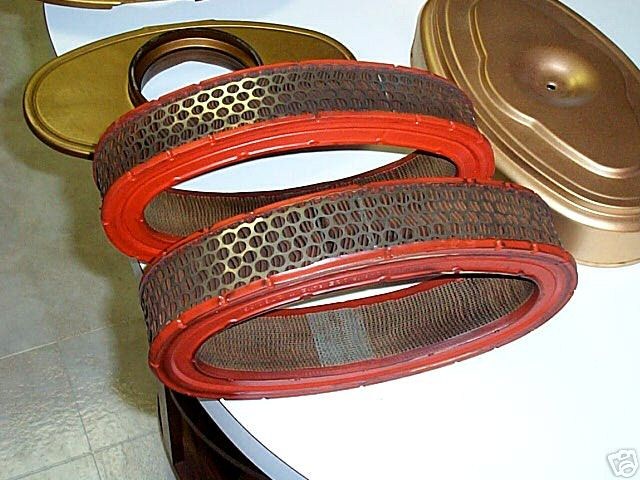
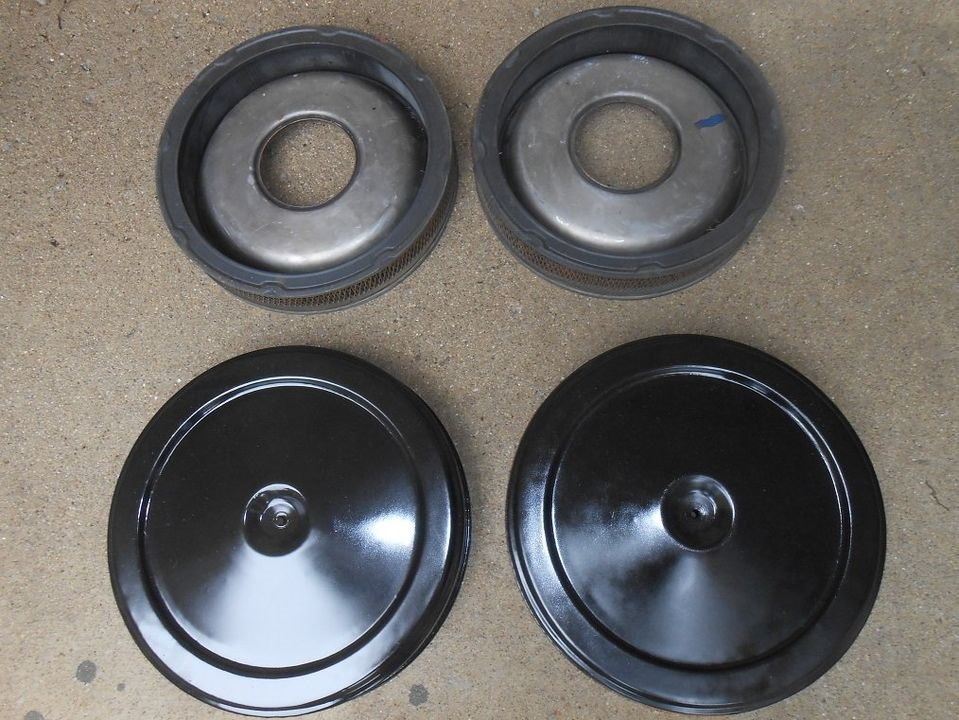
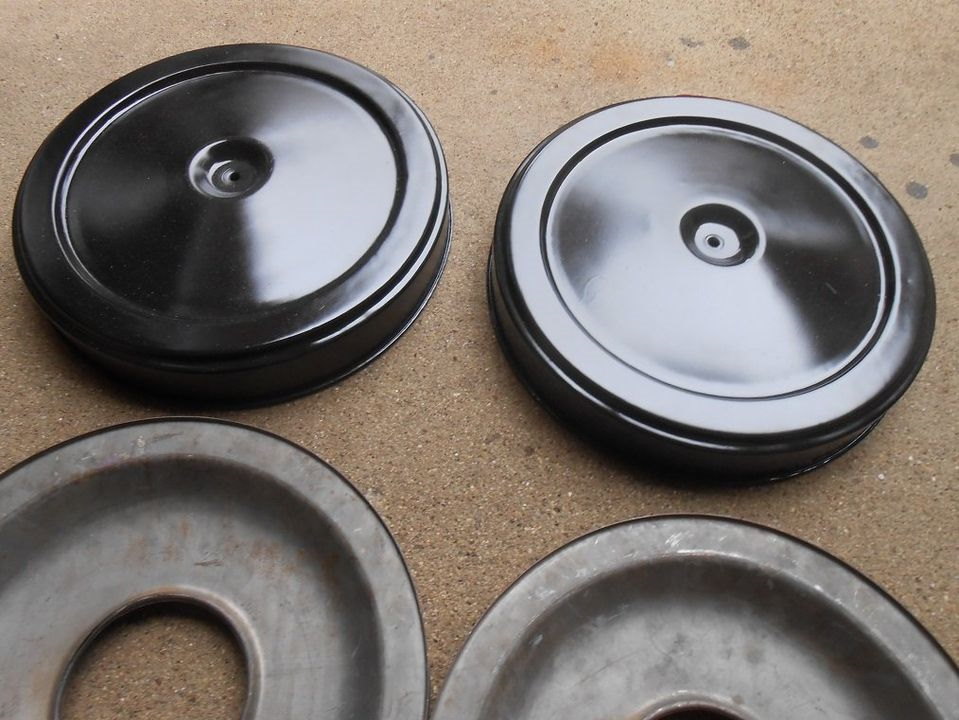
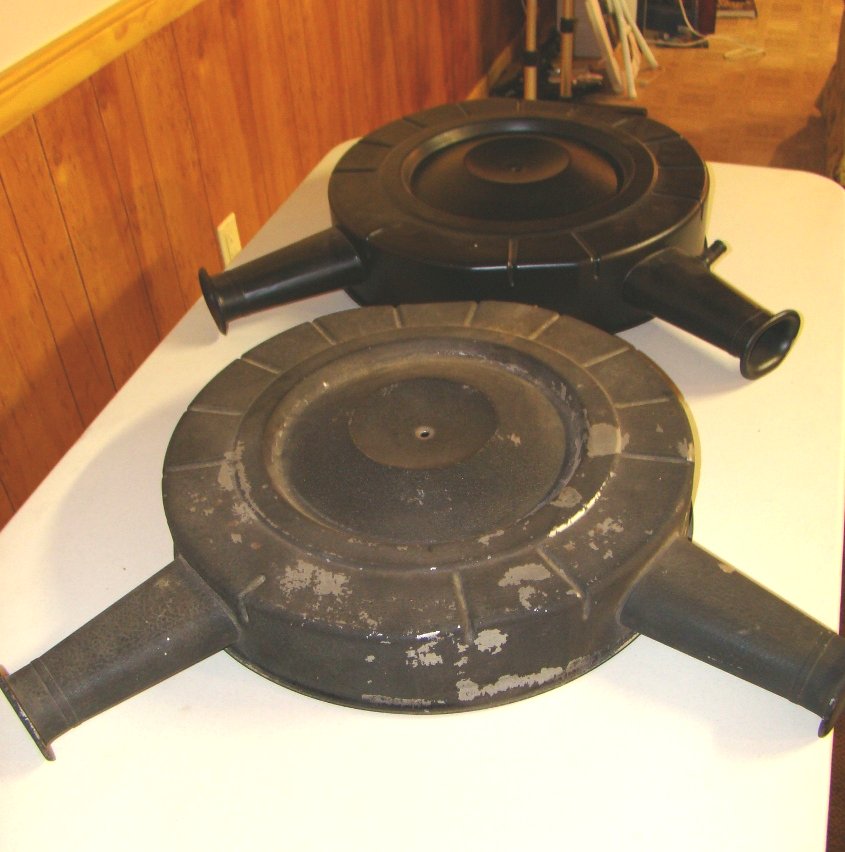
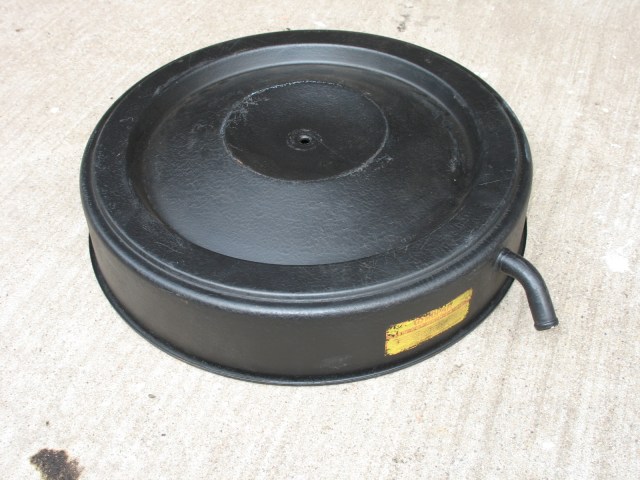
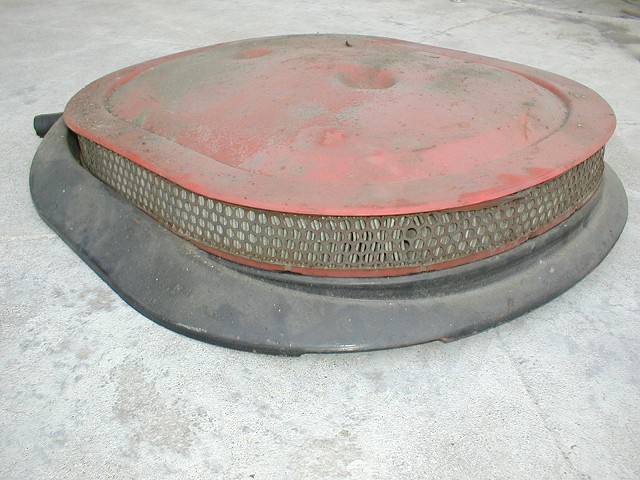
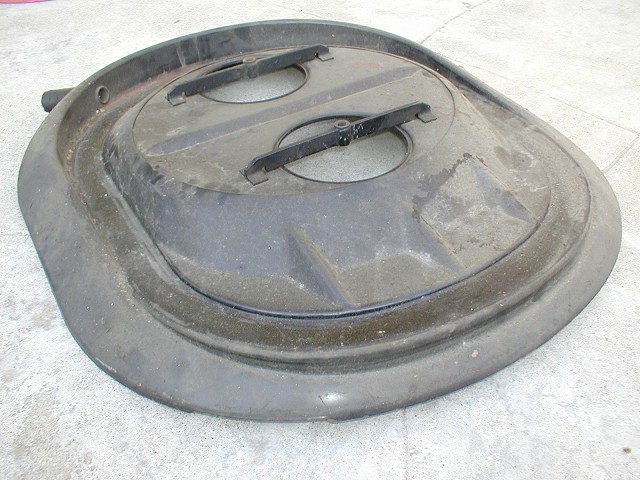
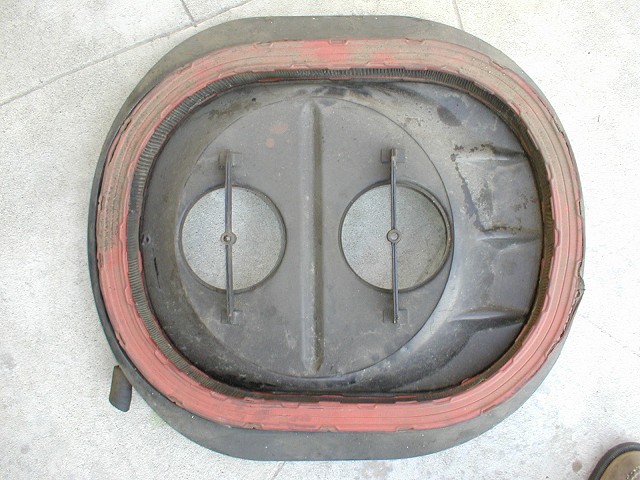
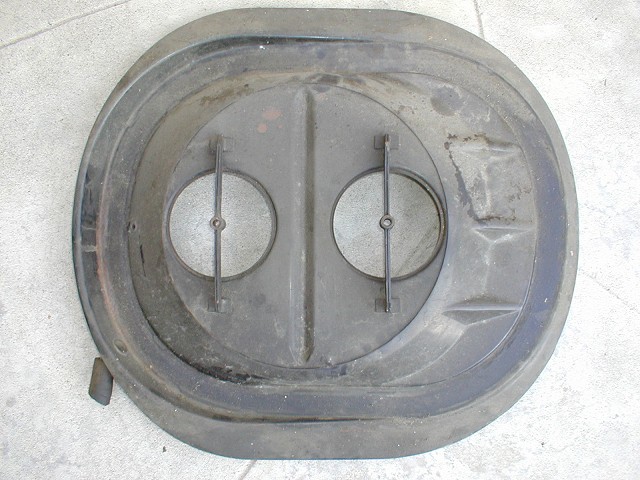
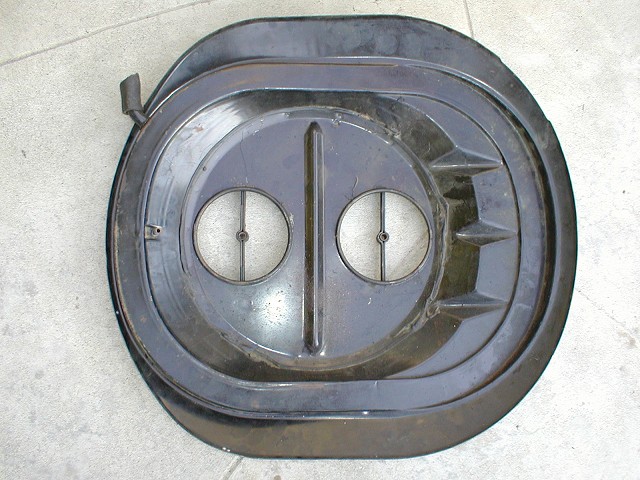
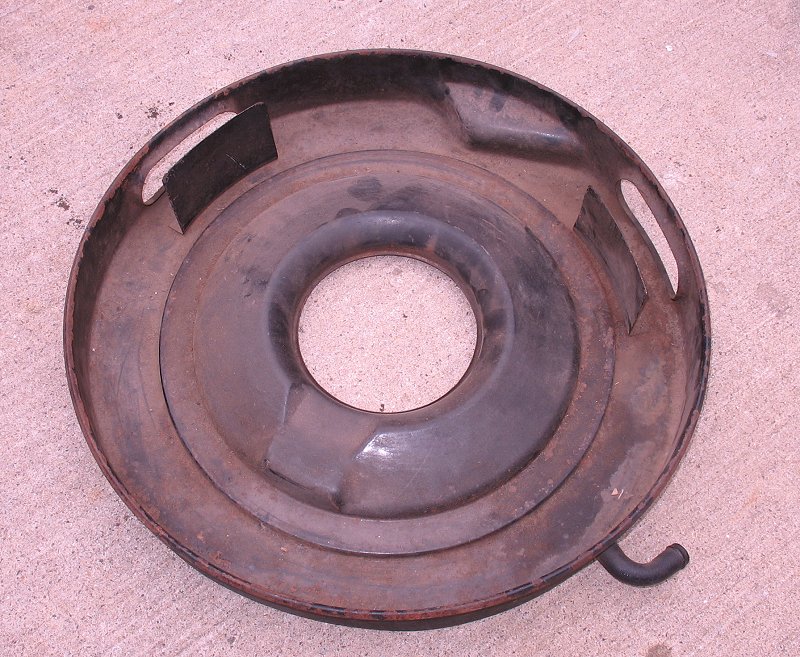
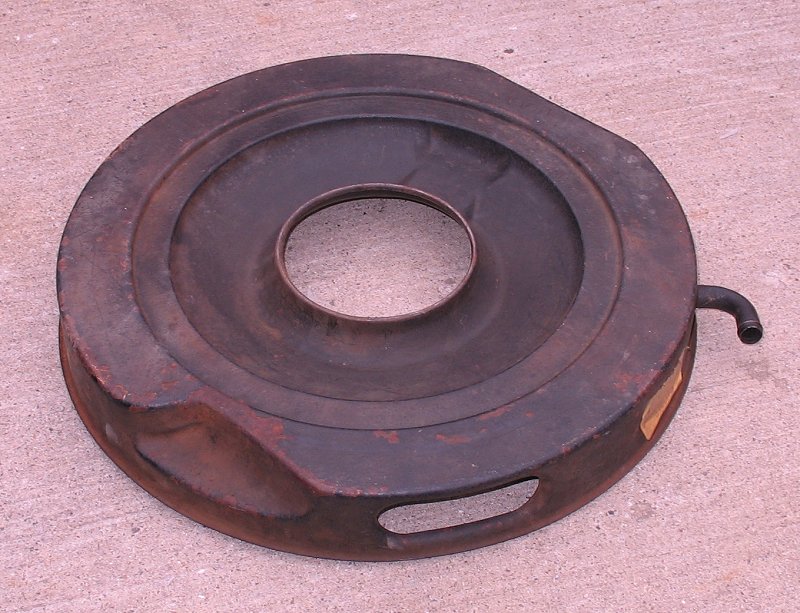
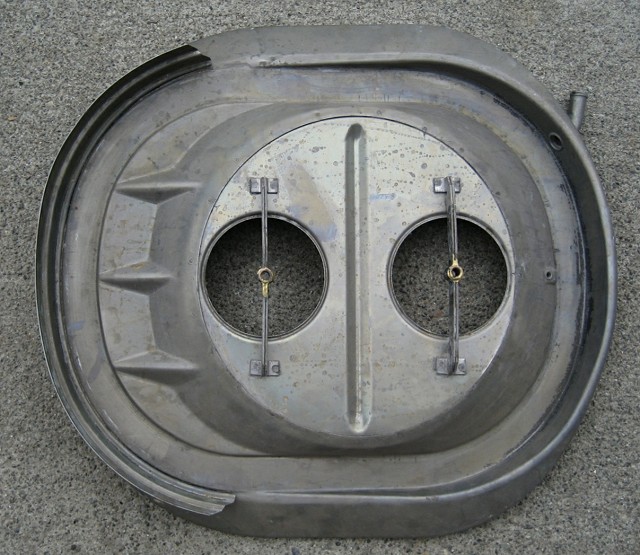
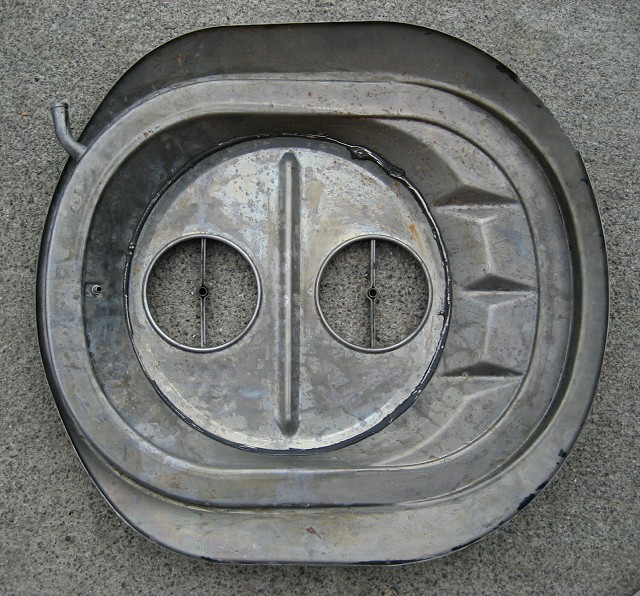
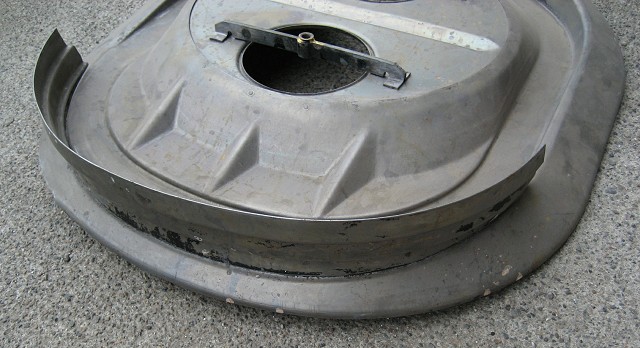
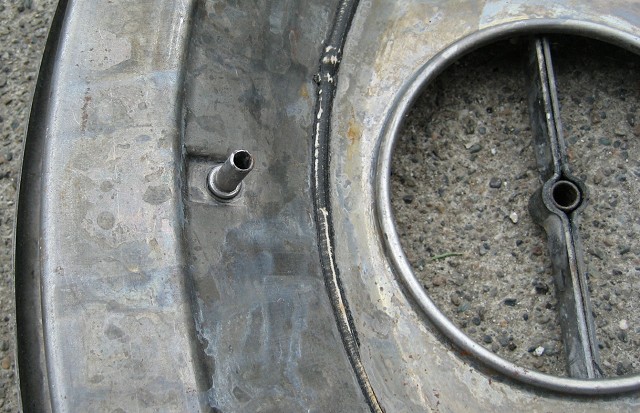
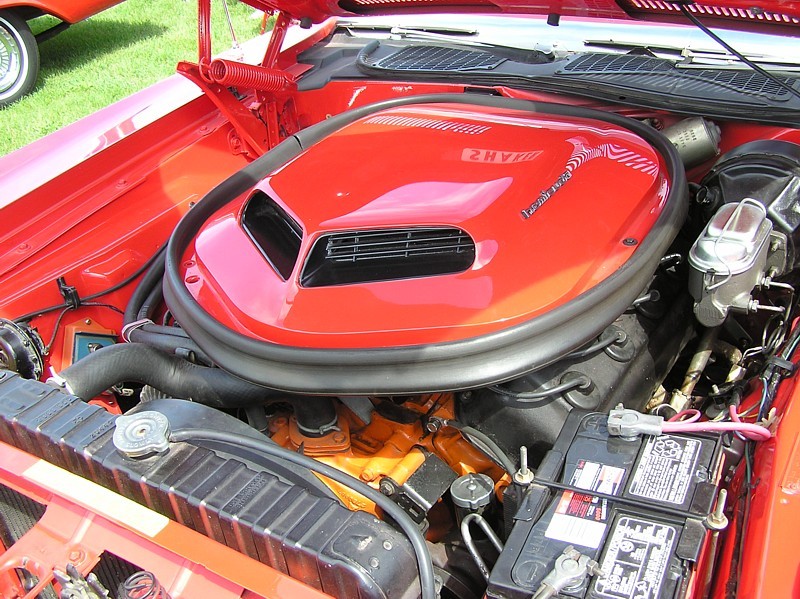
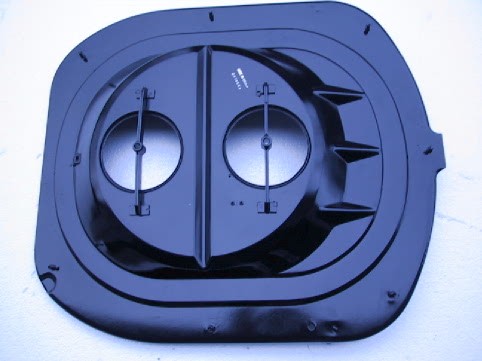
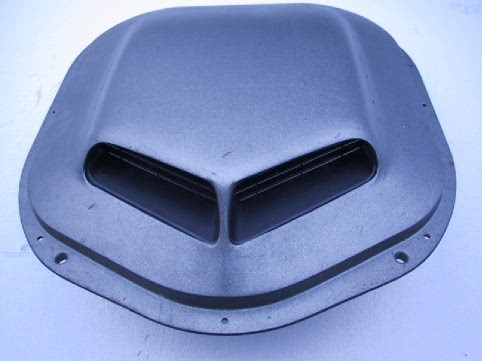
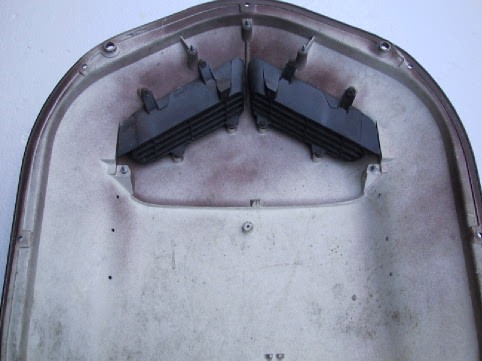
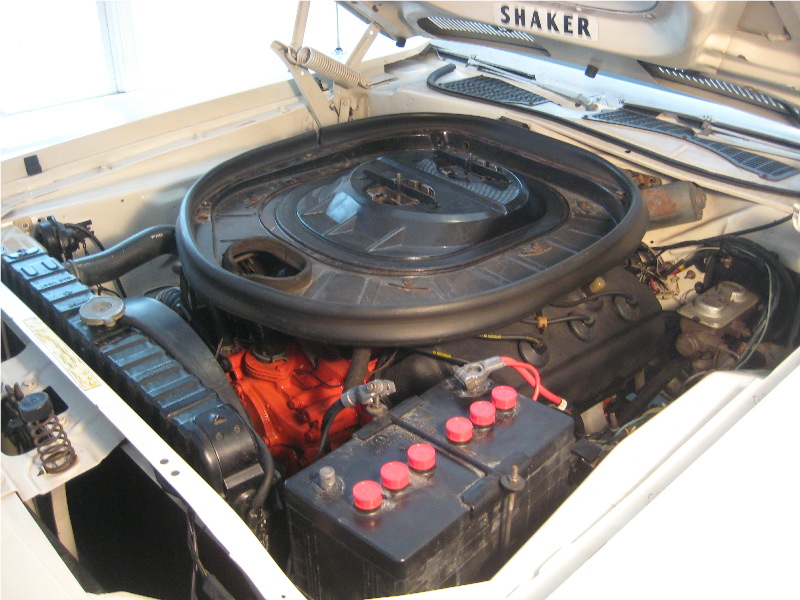
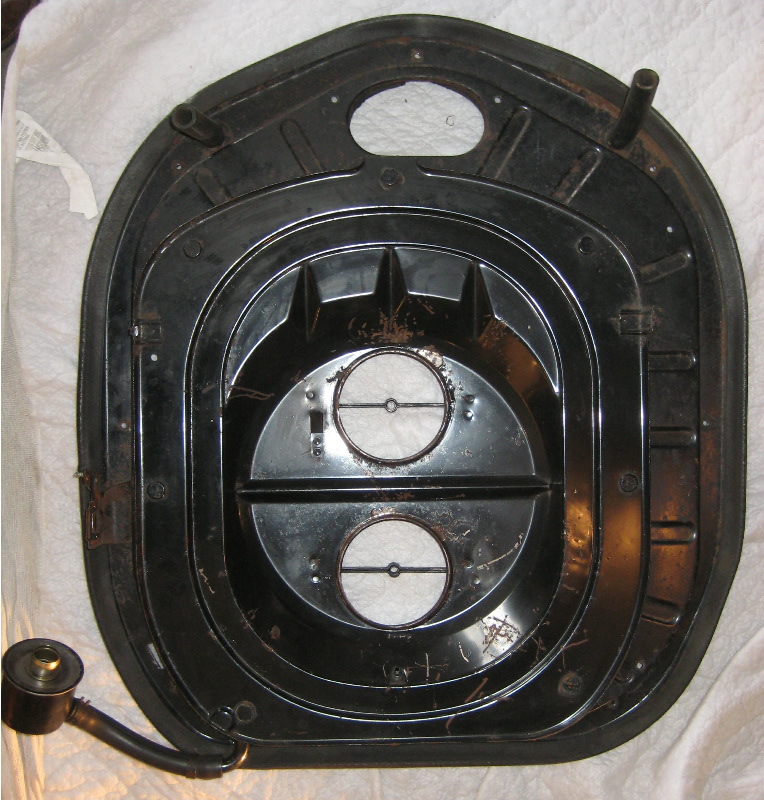
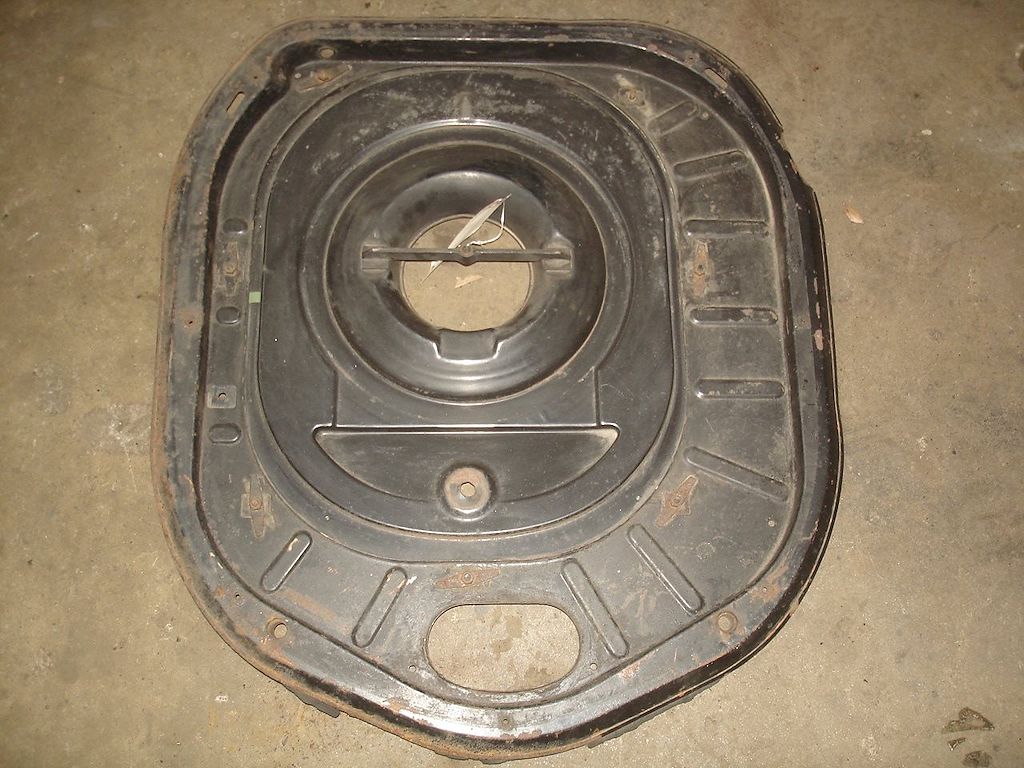
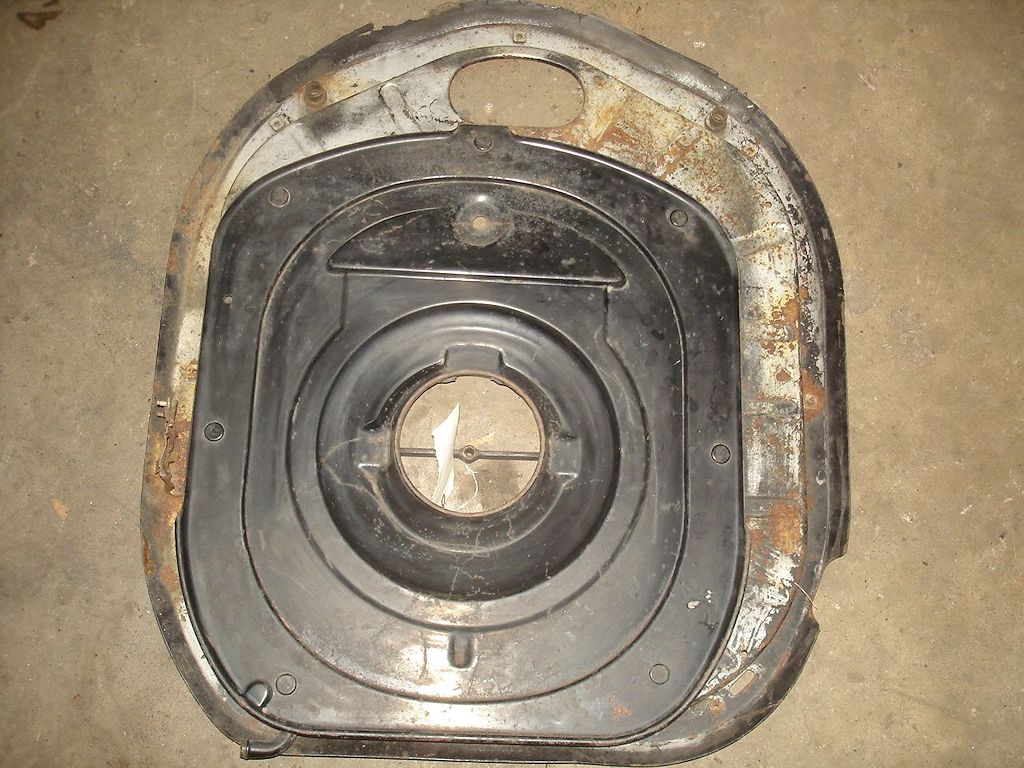
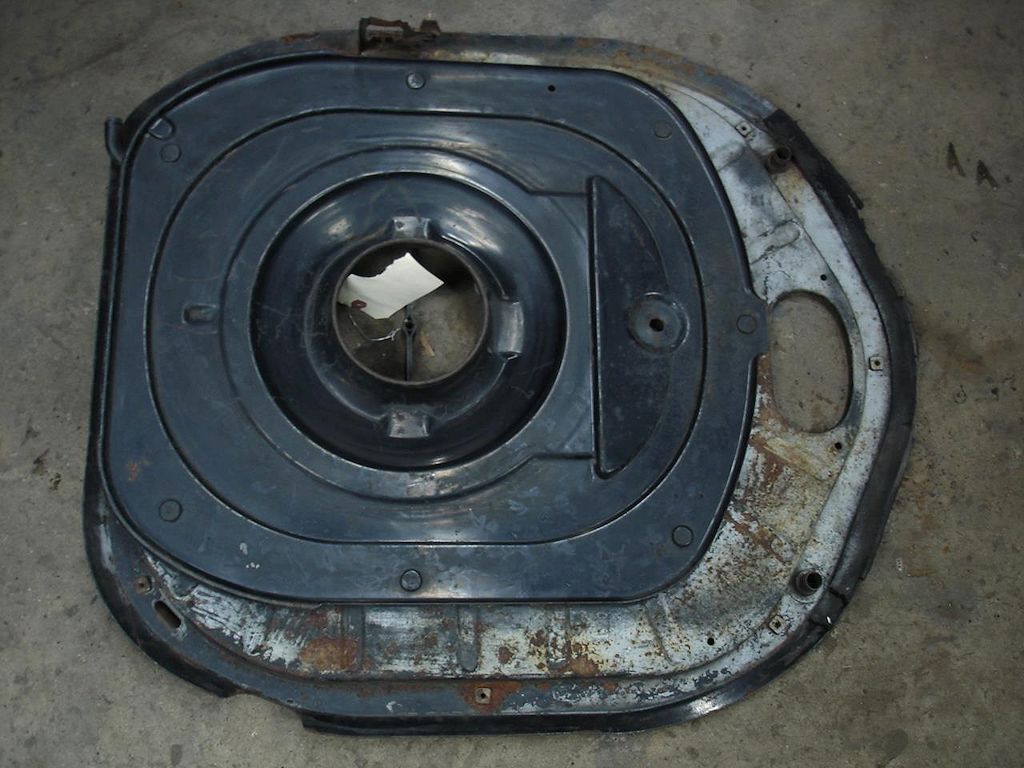
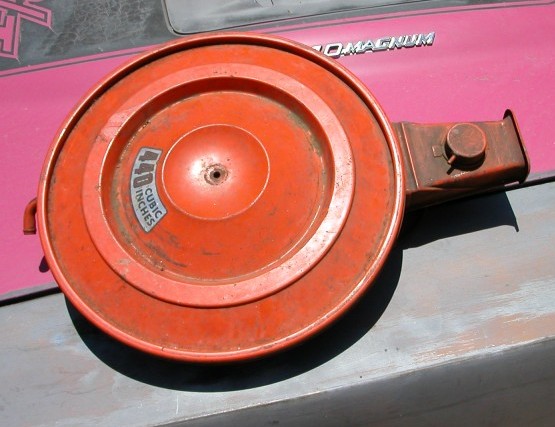
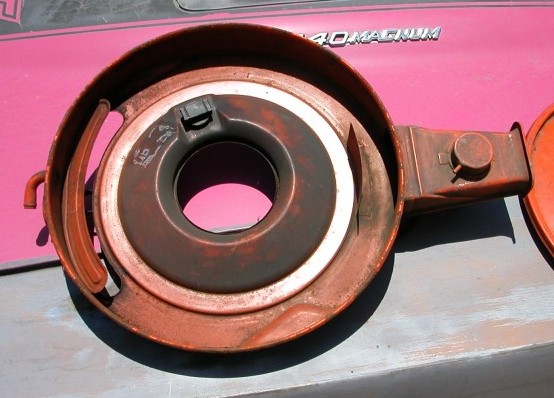
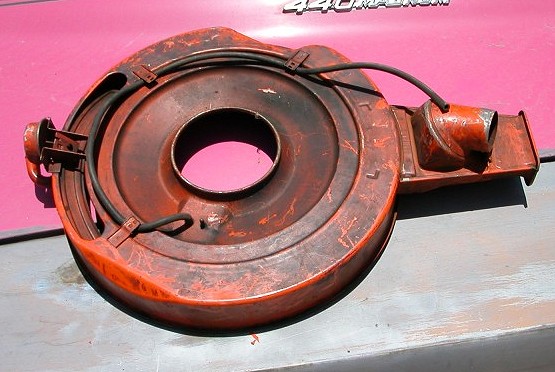
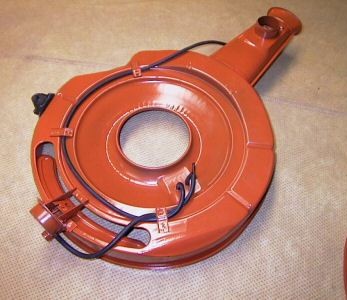
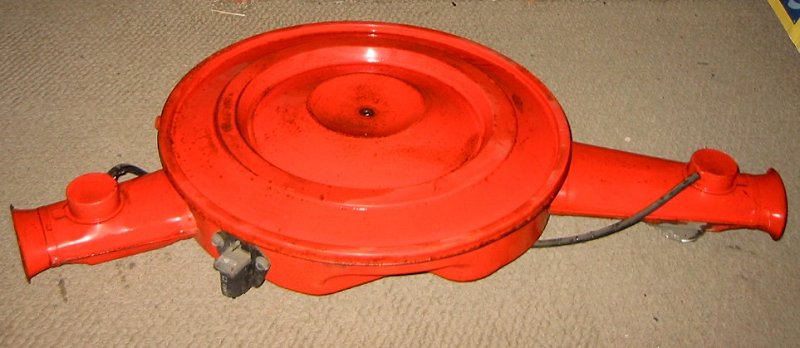
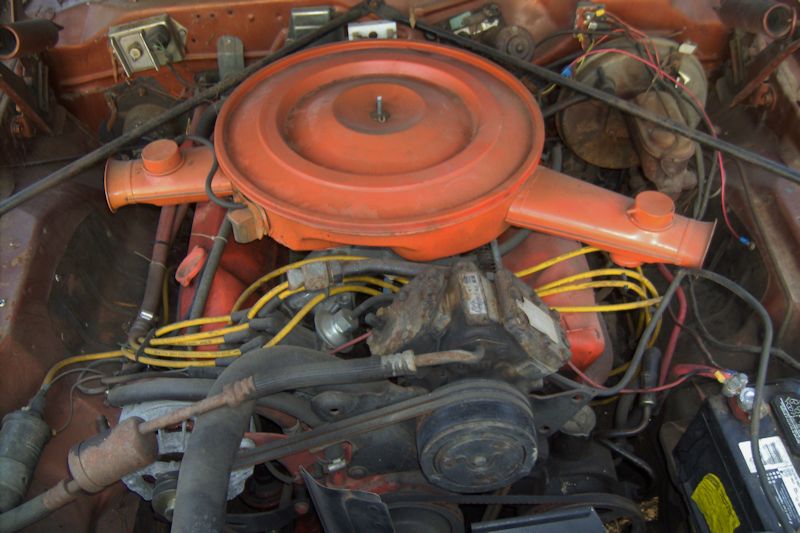
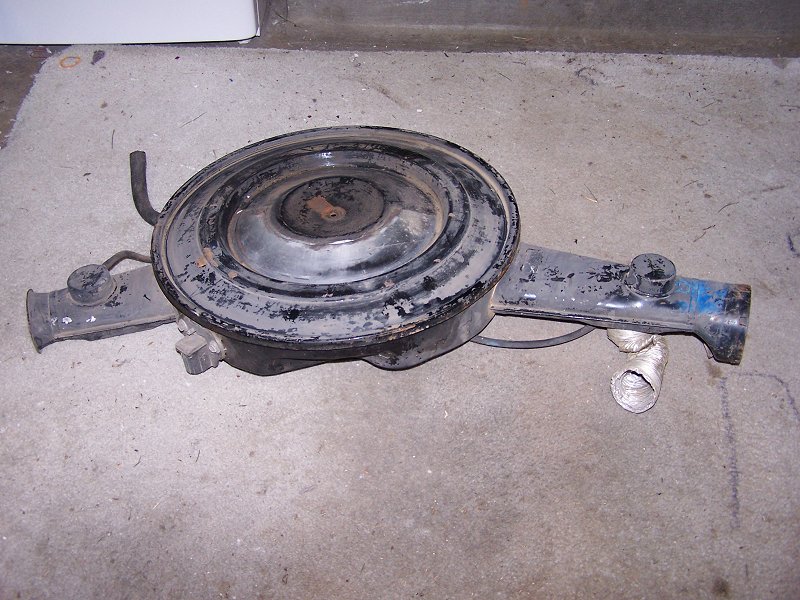
How to tell 340, 383, 400 and 440 4-barrel Ramcharger and Air Grabber air cleaners apart.
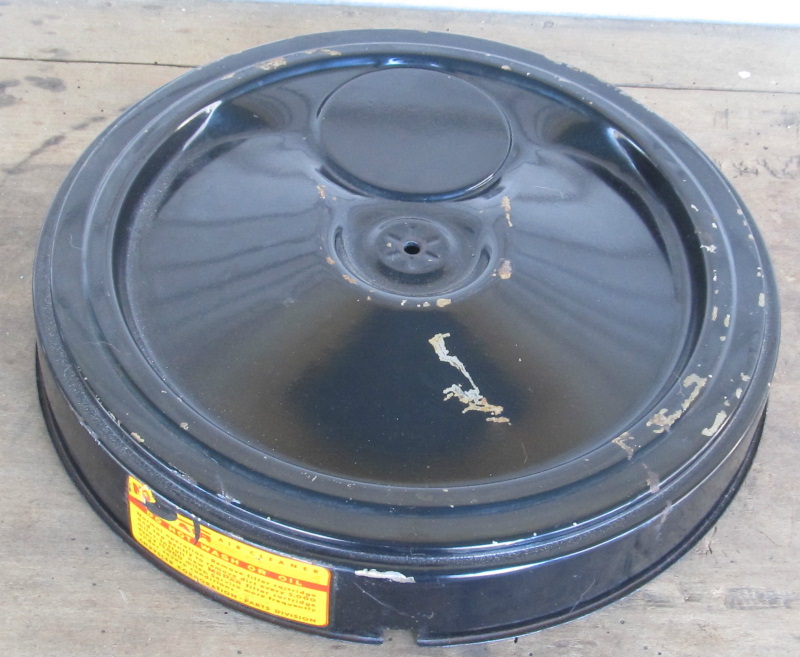
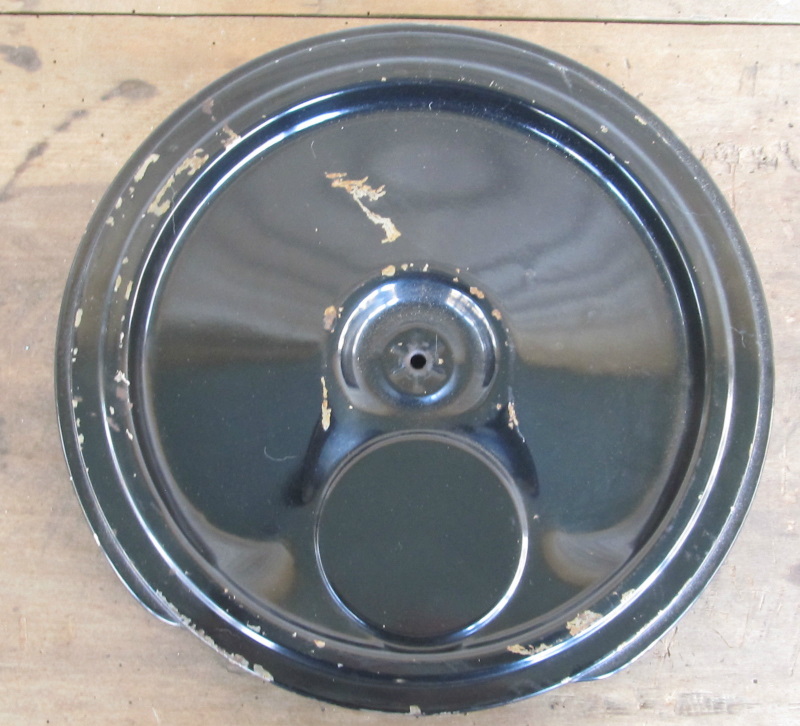
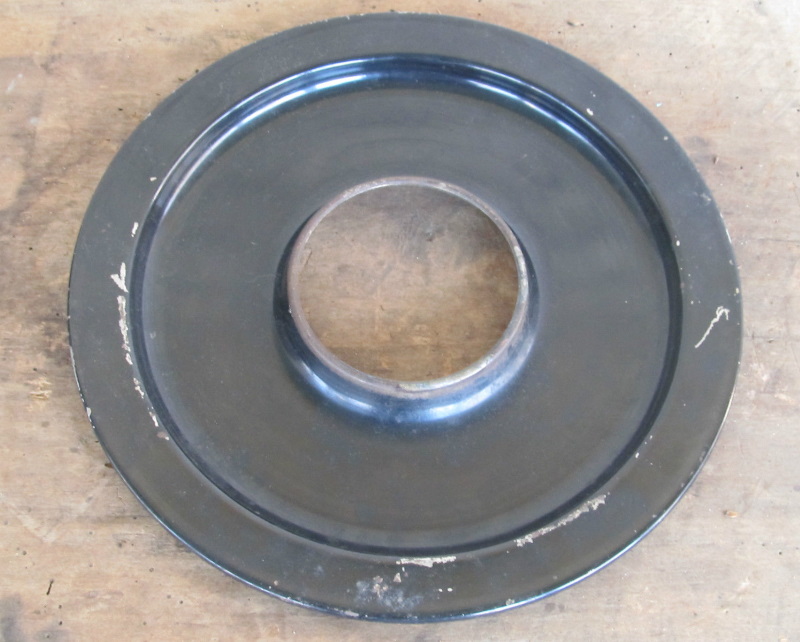
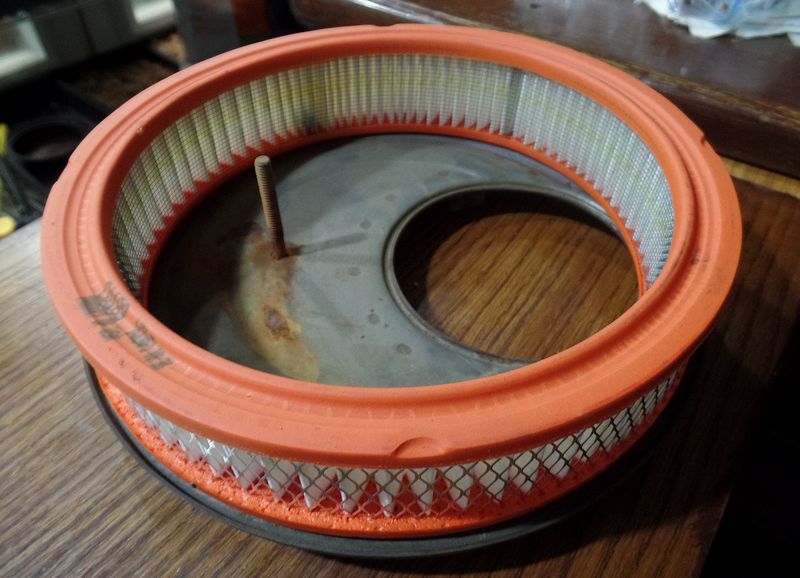
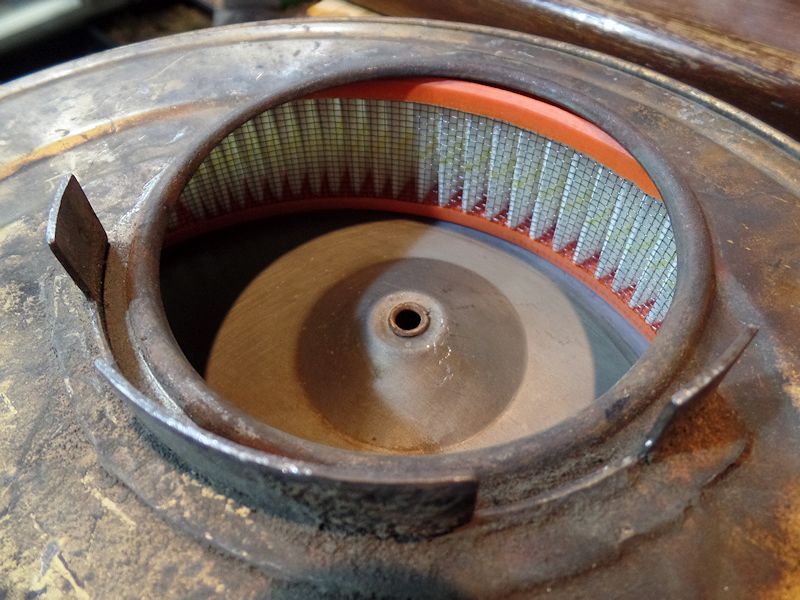
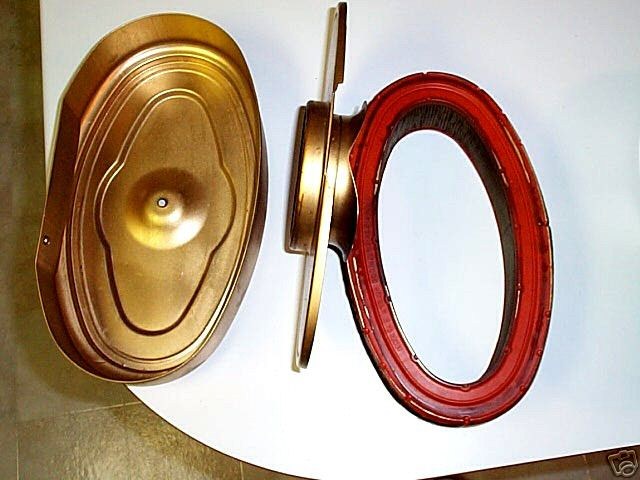
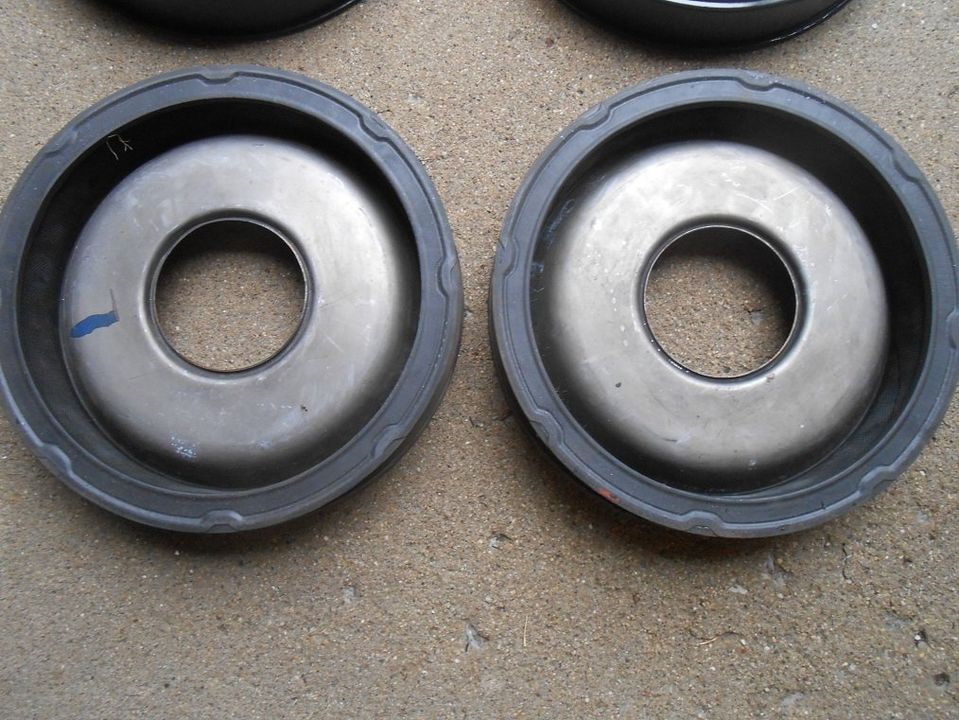
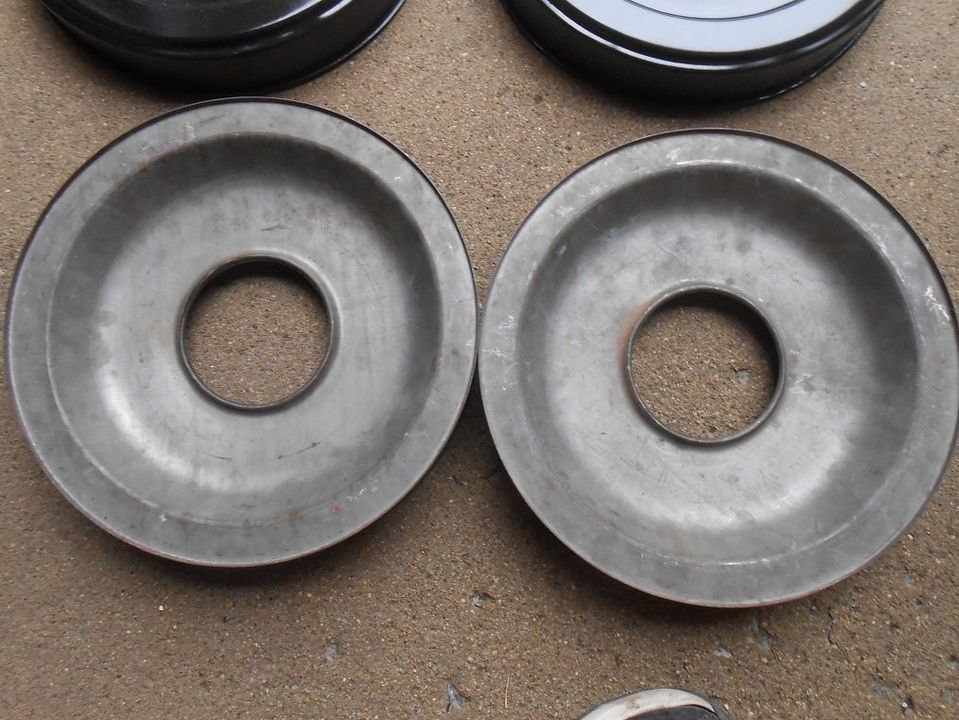
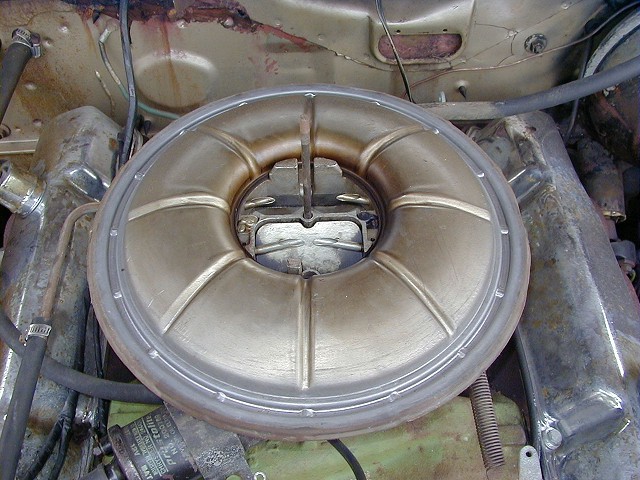
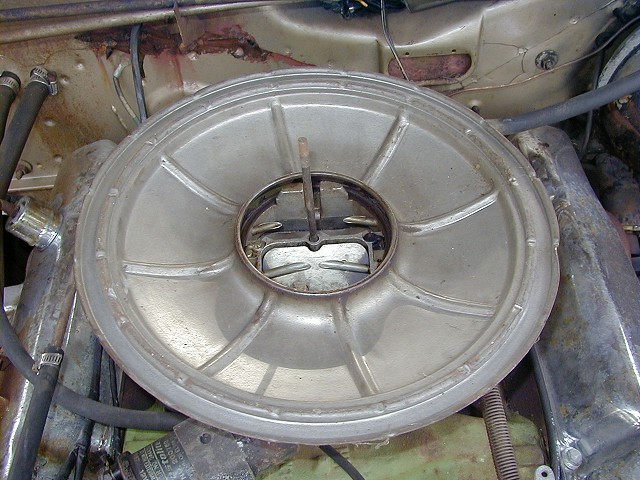
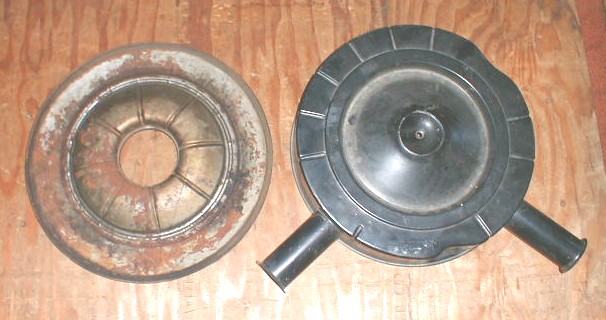
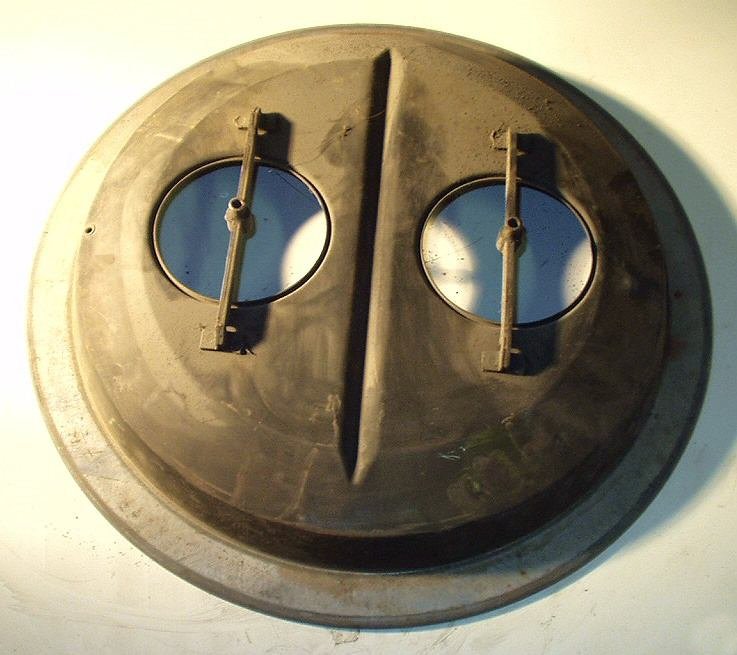
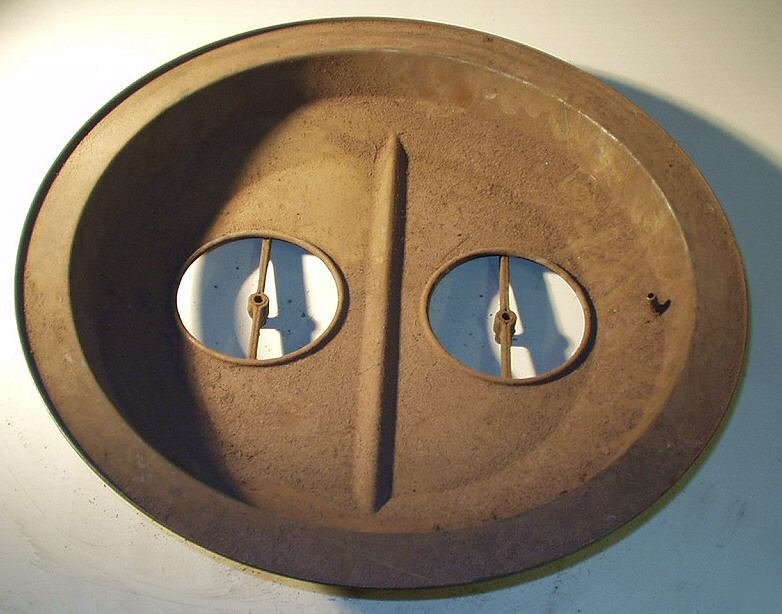
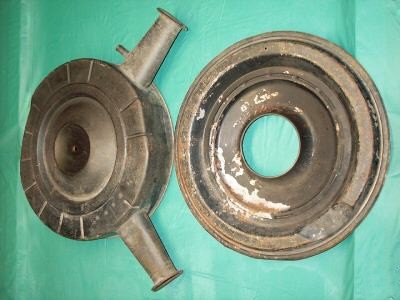
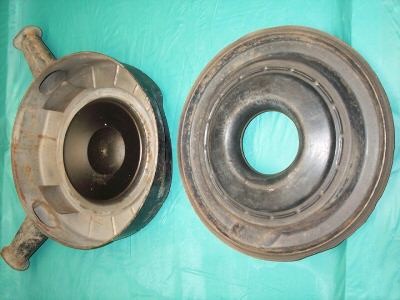
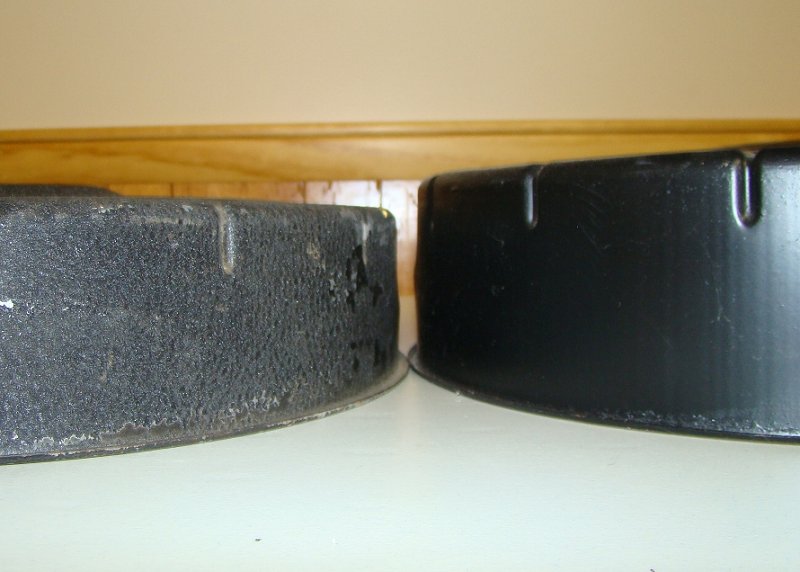
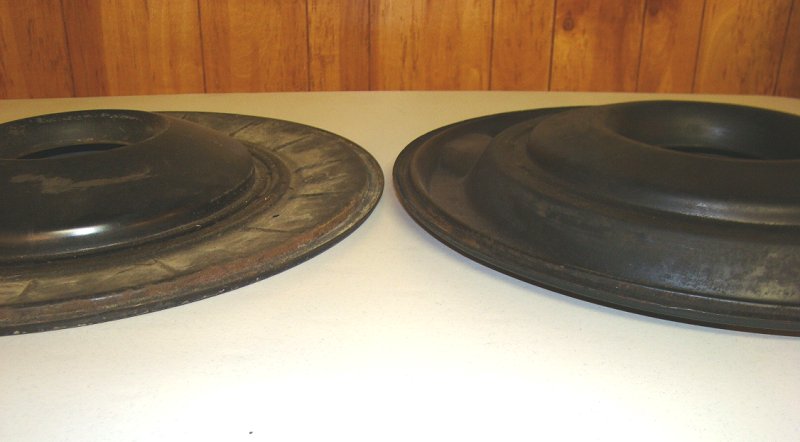
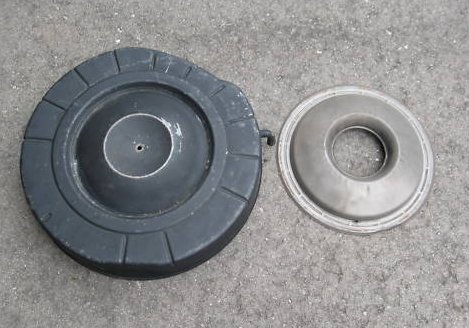
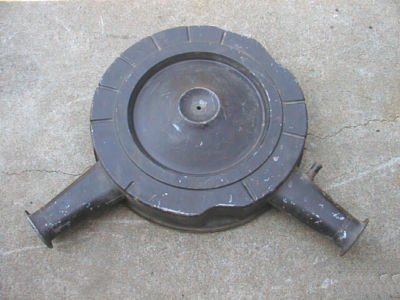
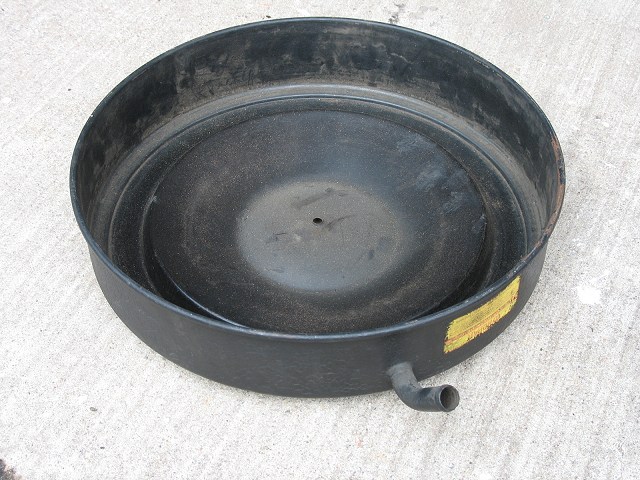
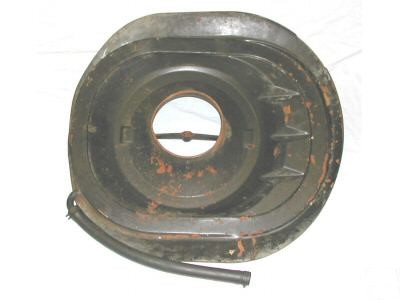
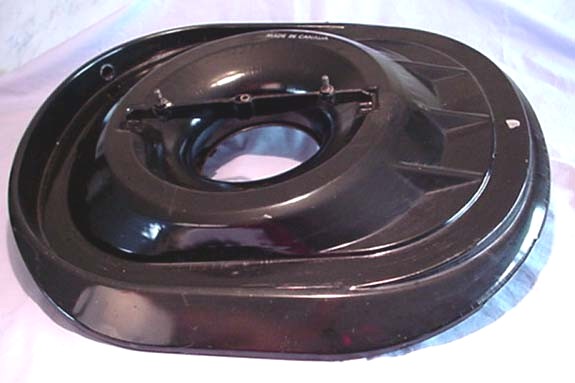
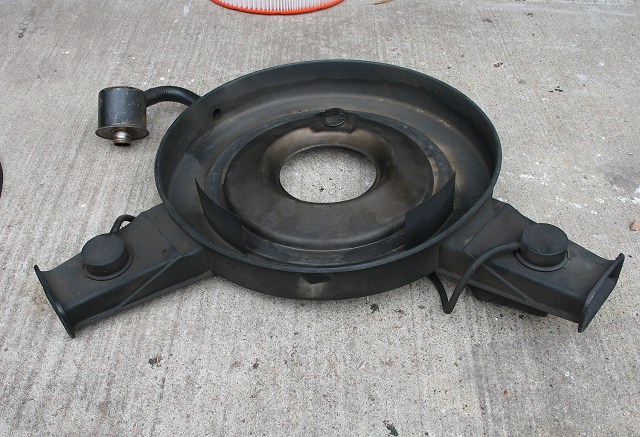
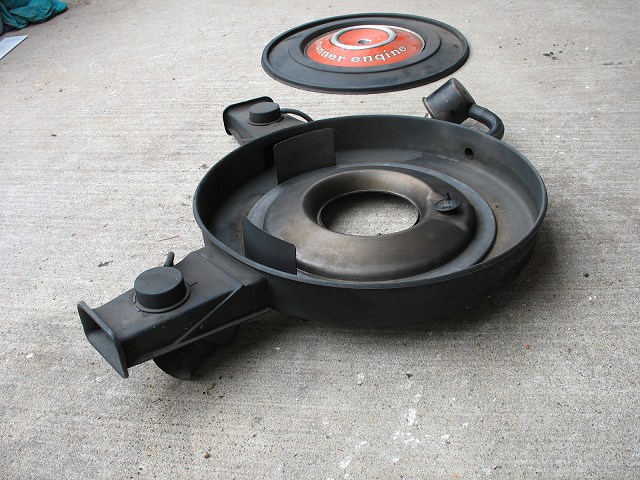
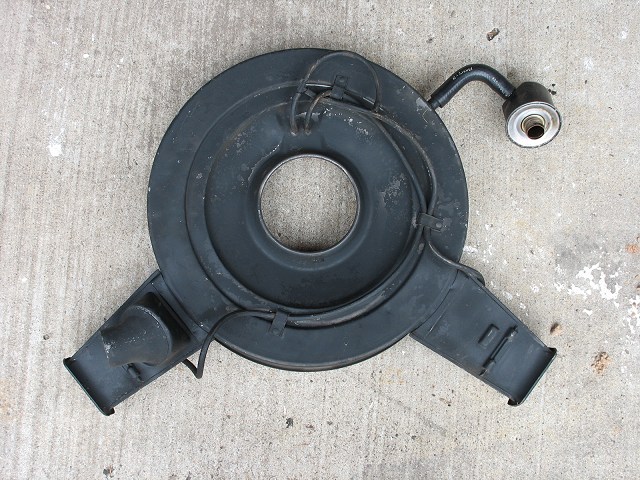
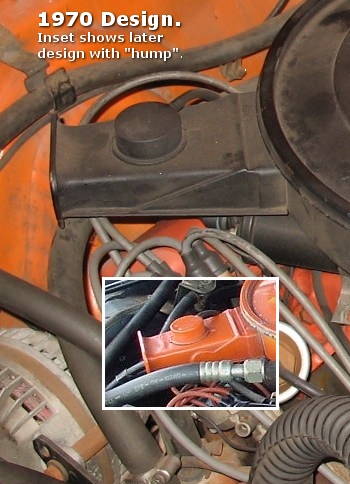
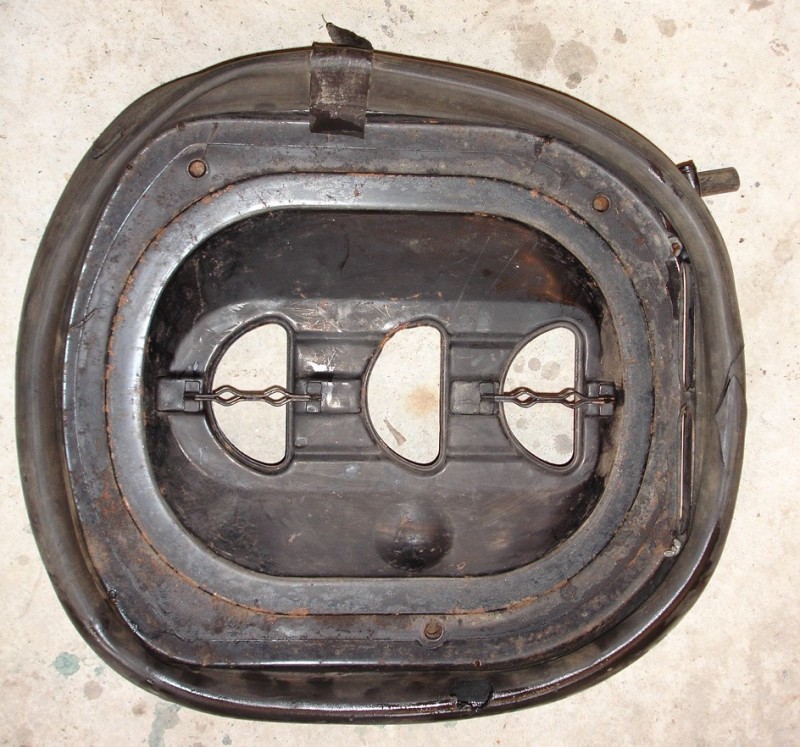
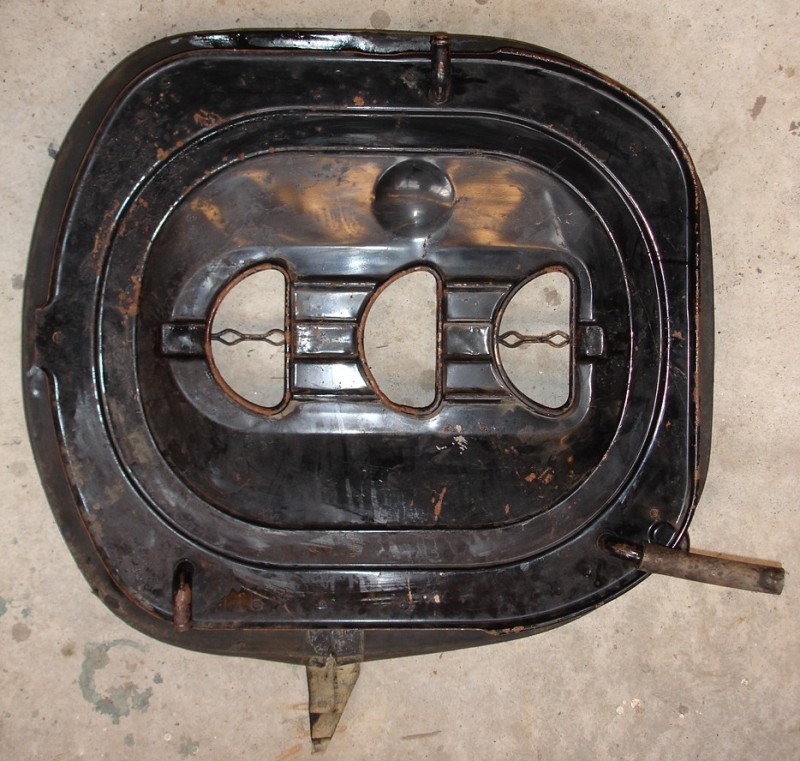
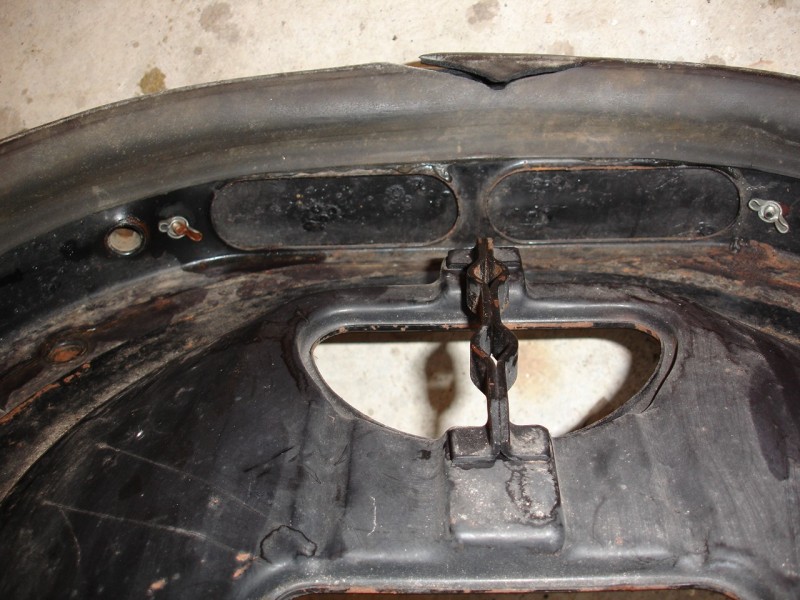
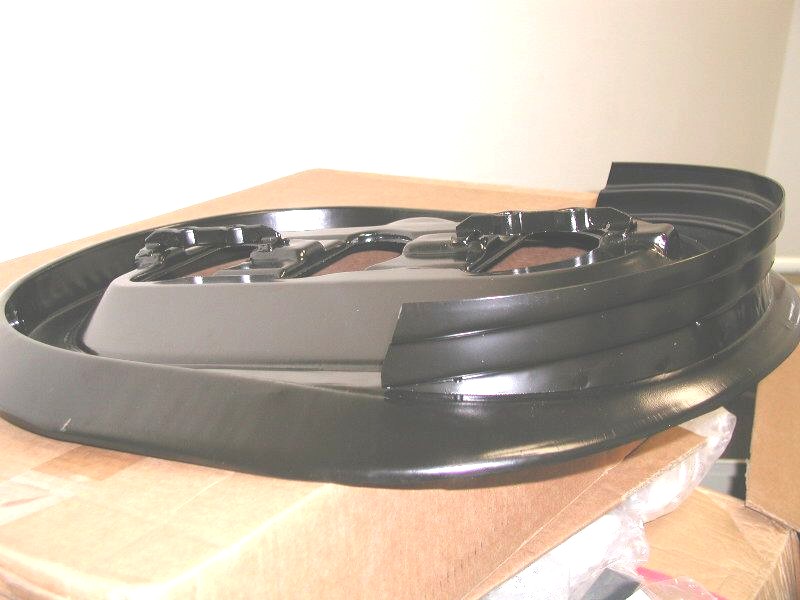
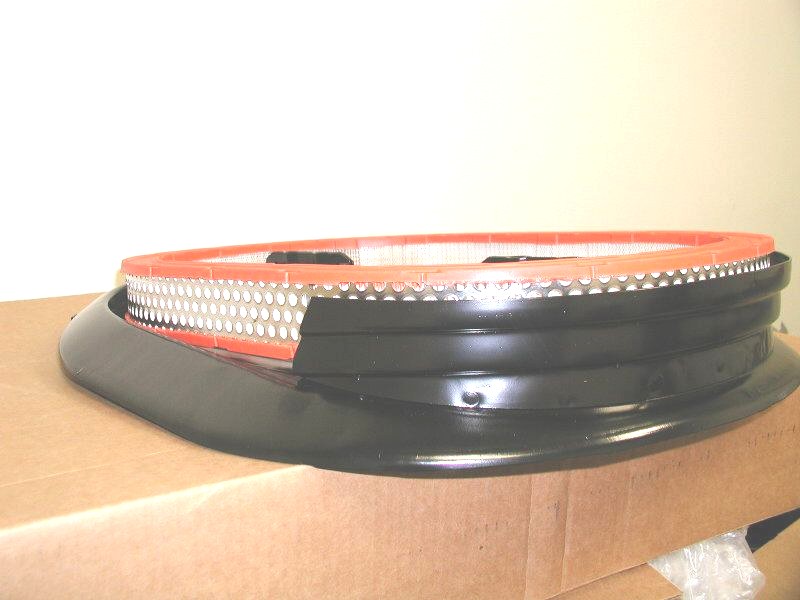
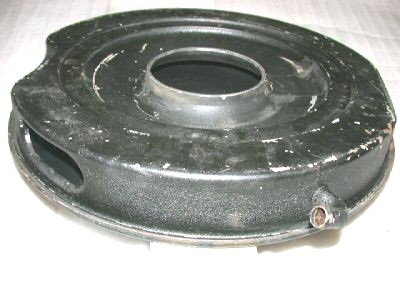
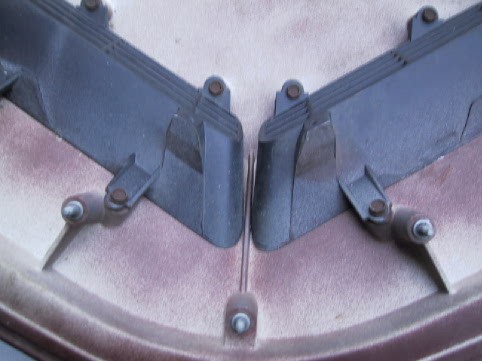
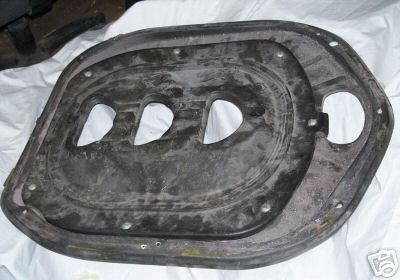
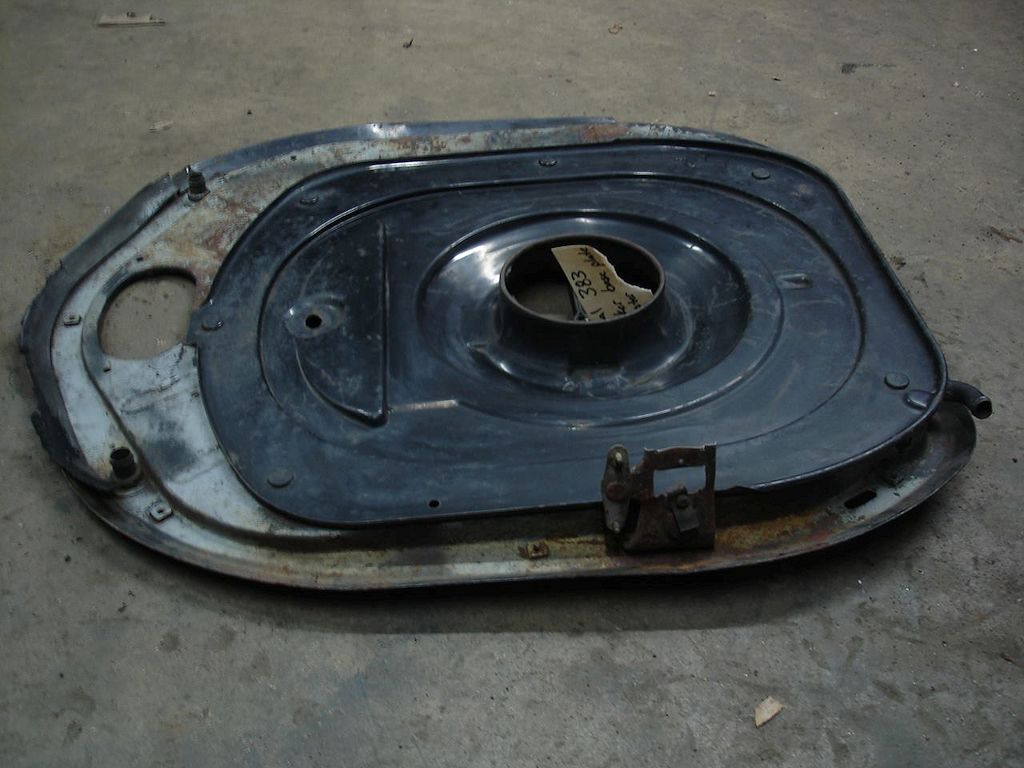
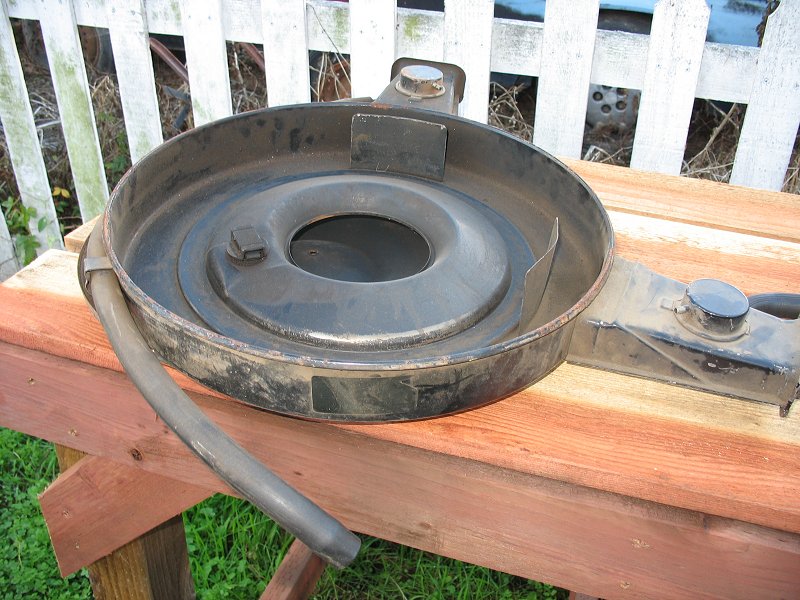
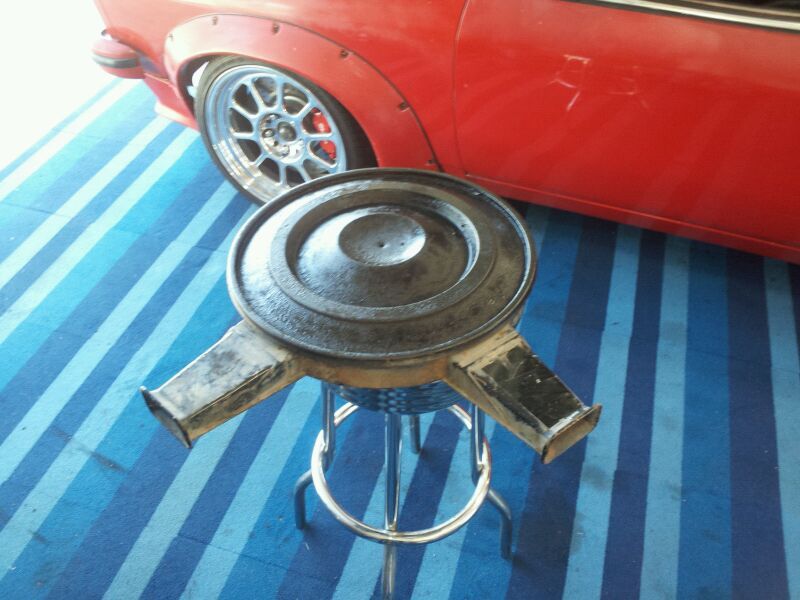
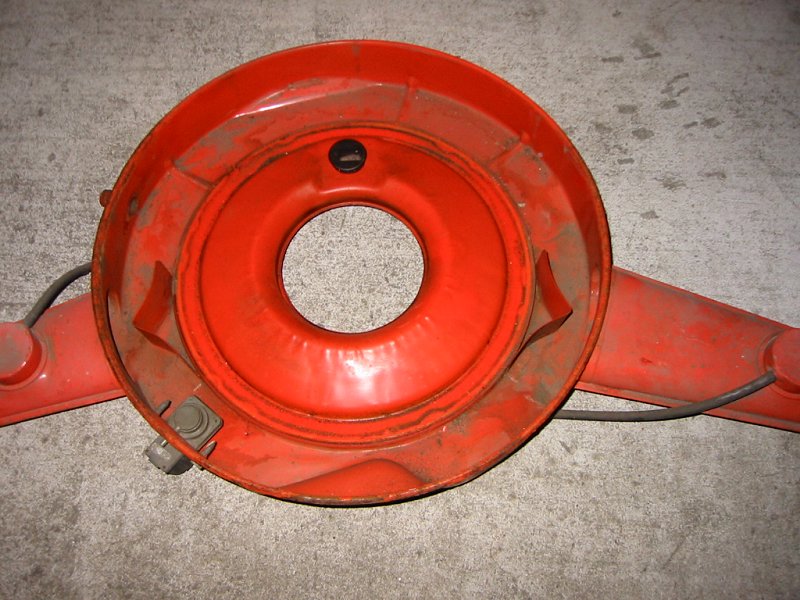
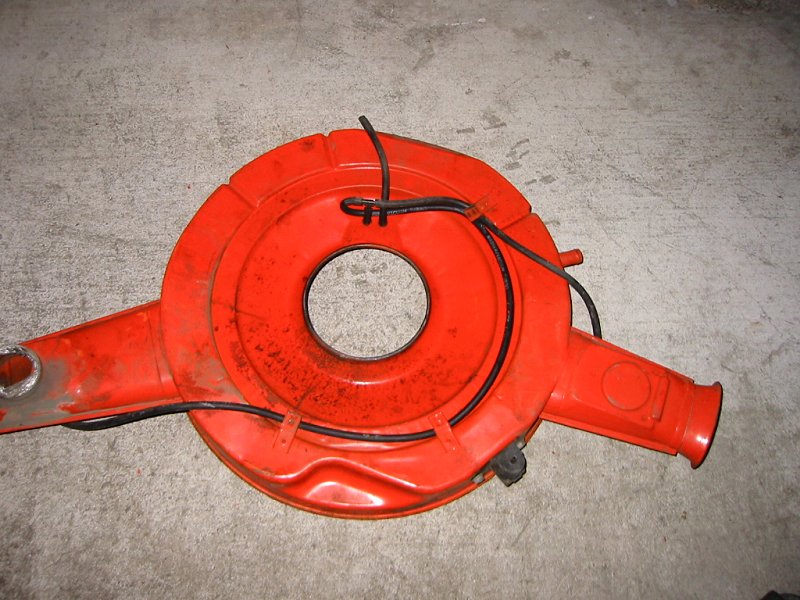
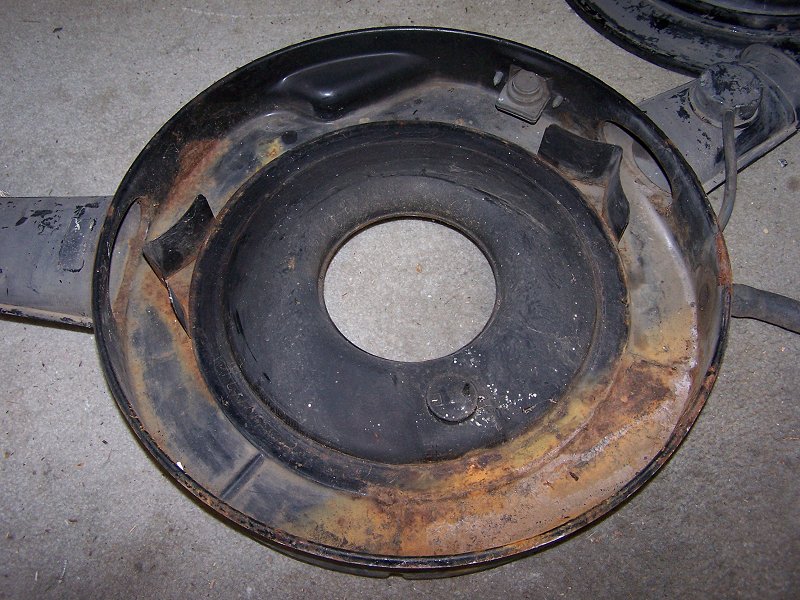
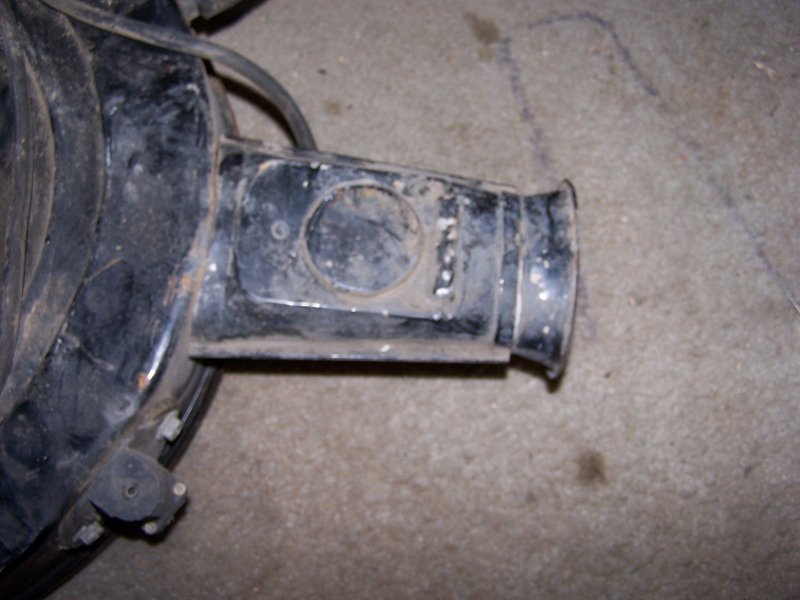
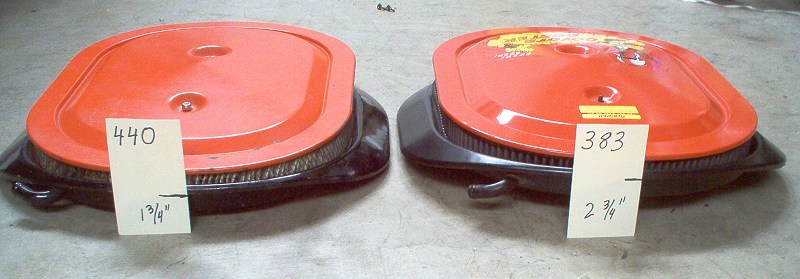
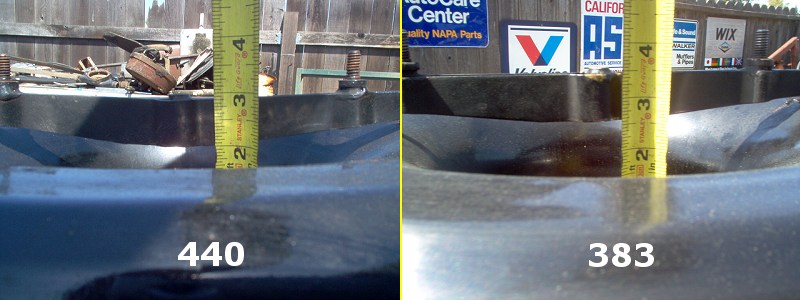
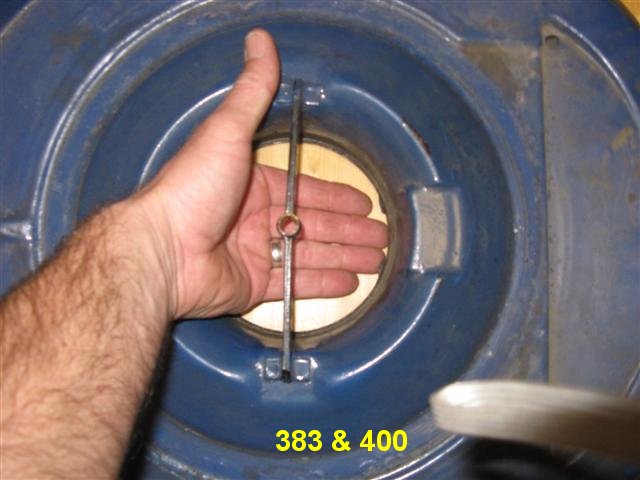
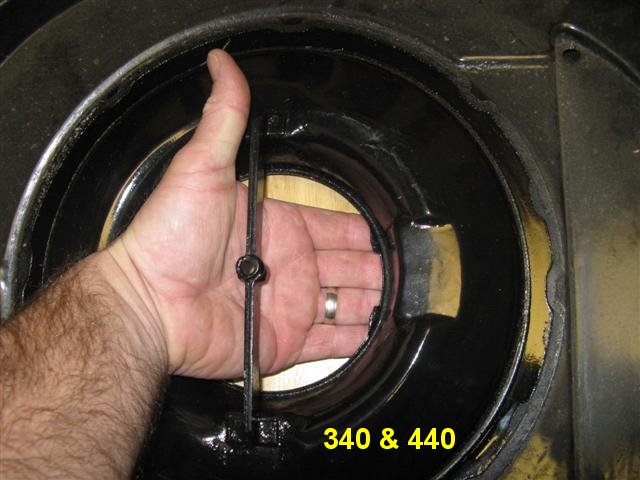
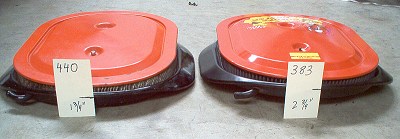
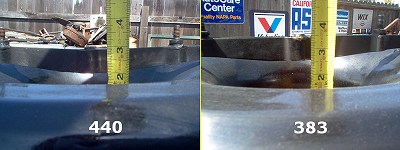
The 383 and 400 engines are shorter than the 340 and 440 engines so the air cleaner base needs to be taller to seal to the hood. The 340 and 440 ones are the same height. You can measure them a couple ways to determine which one you have.
1969
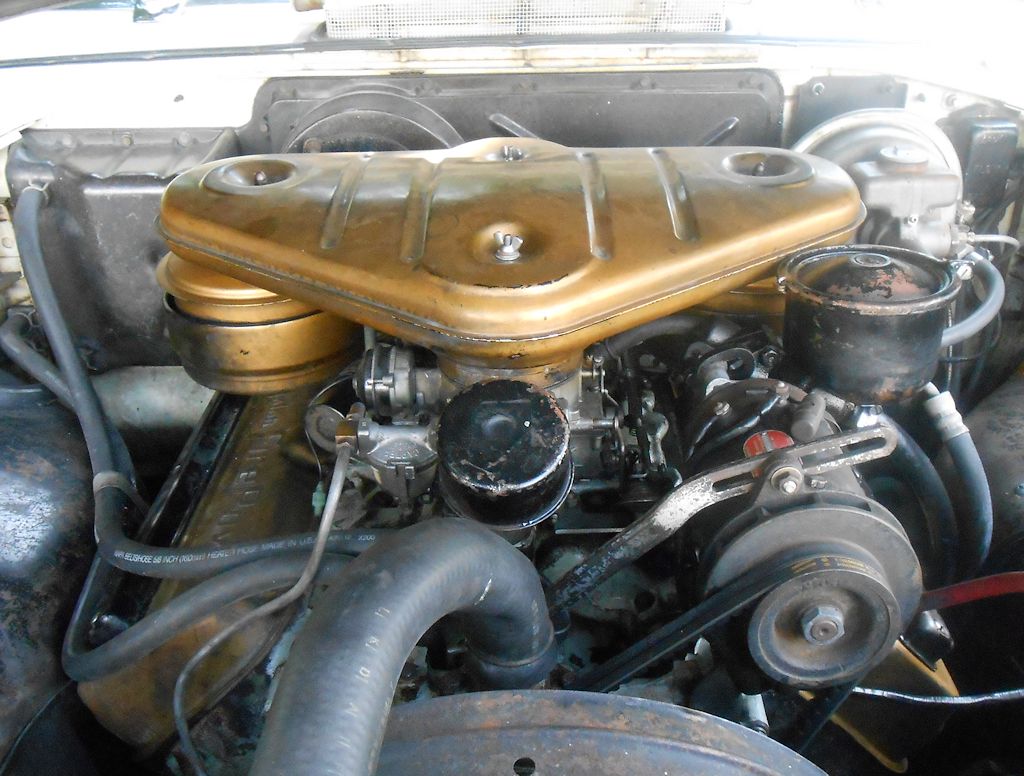
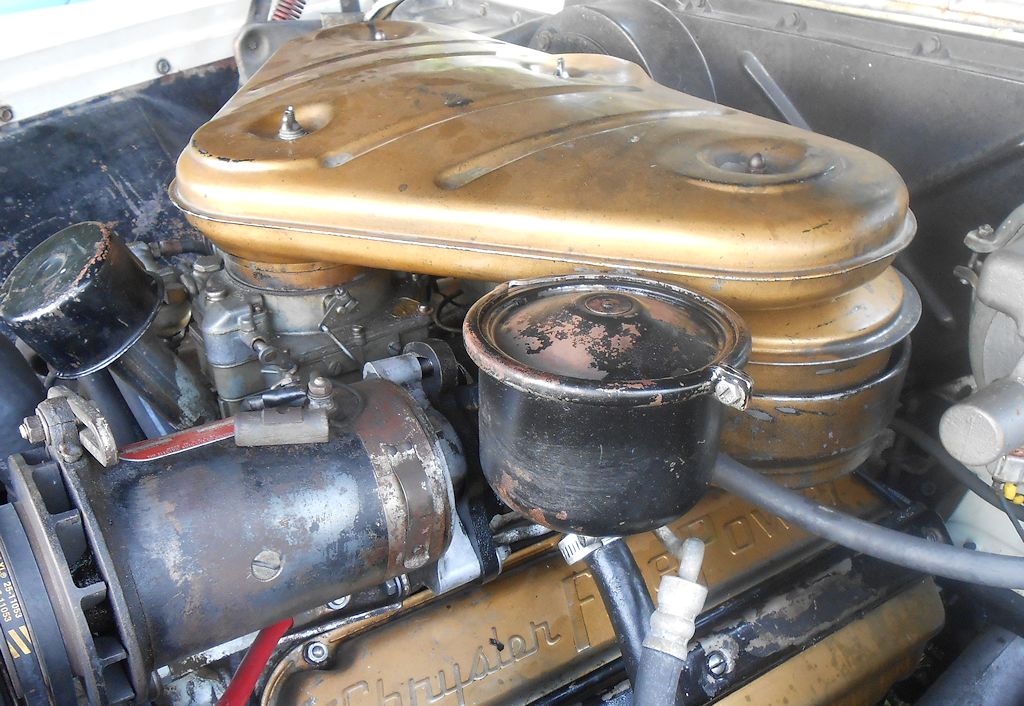
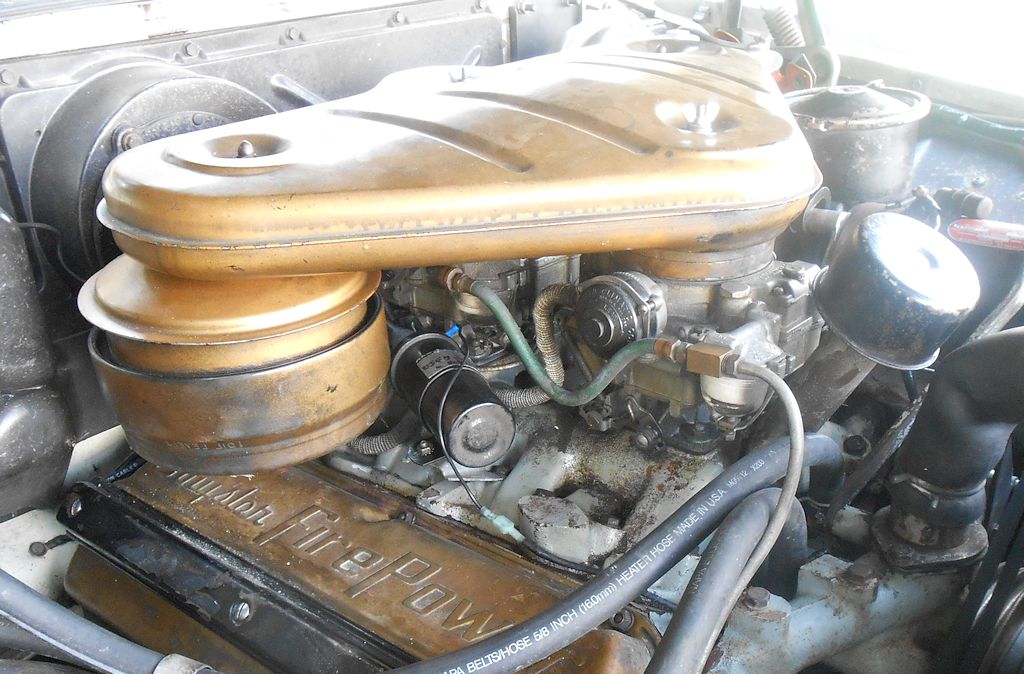
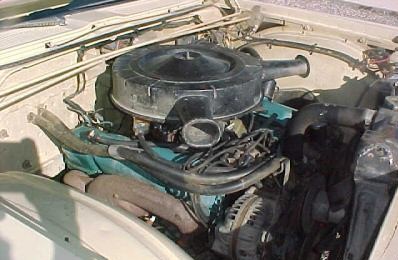
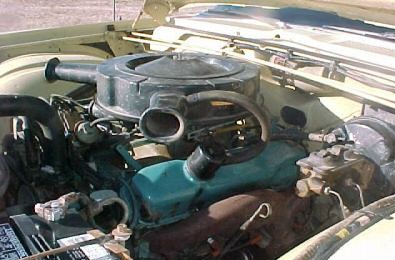
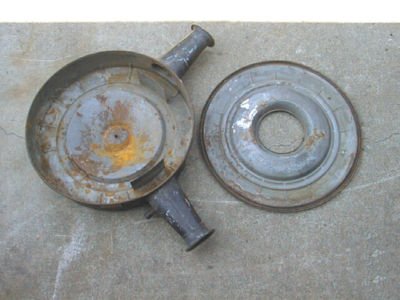
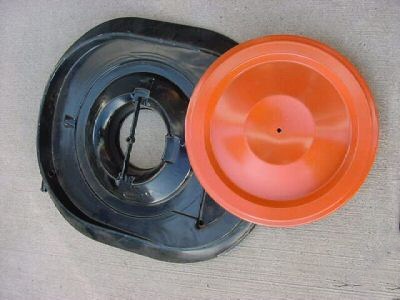
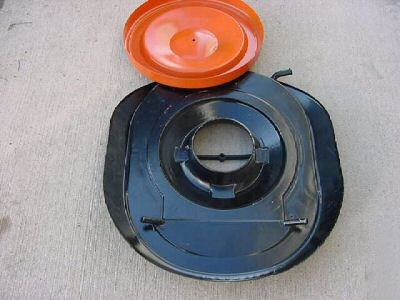
Thanks to Tim Bernardin for the following images showing the difference between two 1969 air cleaners. Click on the images for larger views.
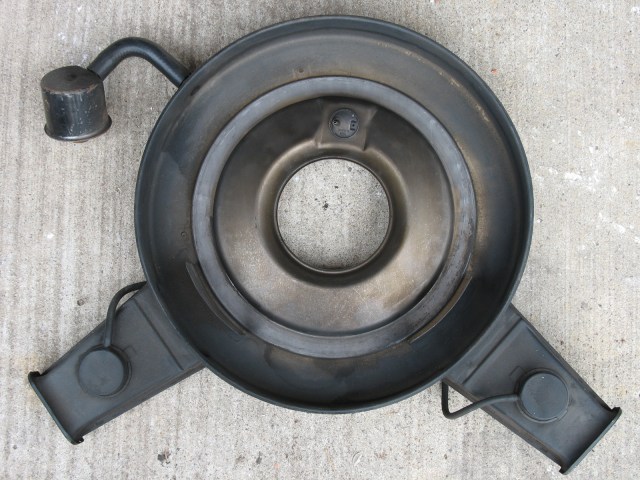
1970-1972
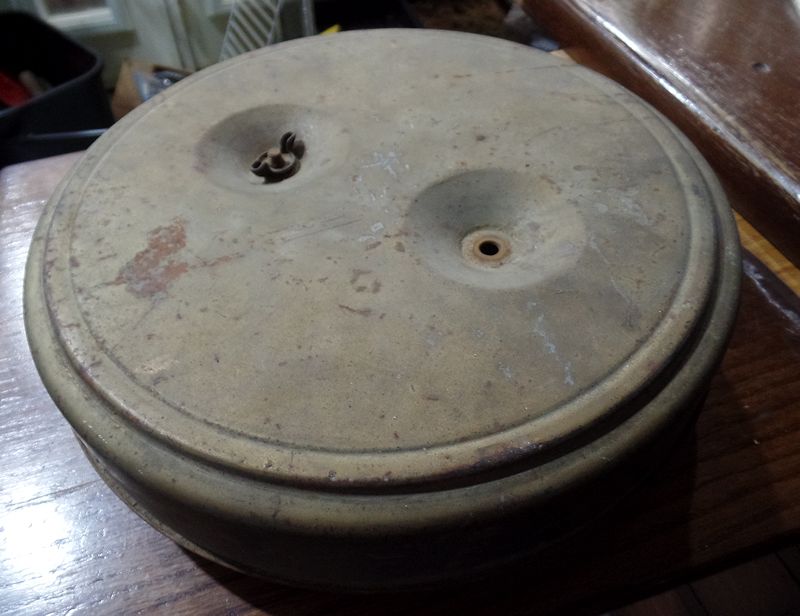
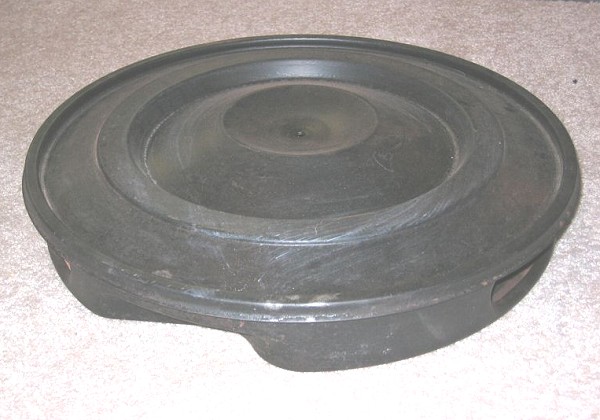
This style with the small round lid is similar but measures differently at the crossbar. Reader Mike Brodin provided the following measurements.
Height from bottom of air cleaner throat to top of crossbar
383/400 - 2 1/2"
340/440 - 2"
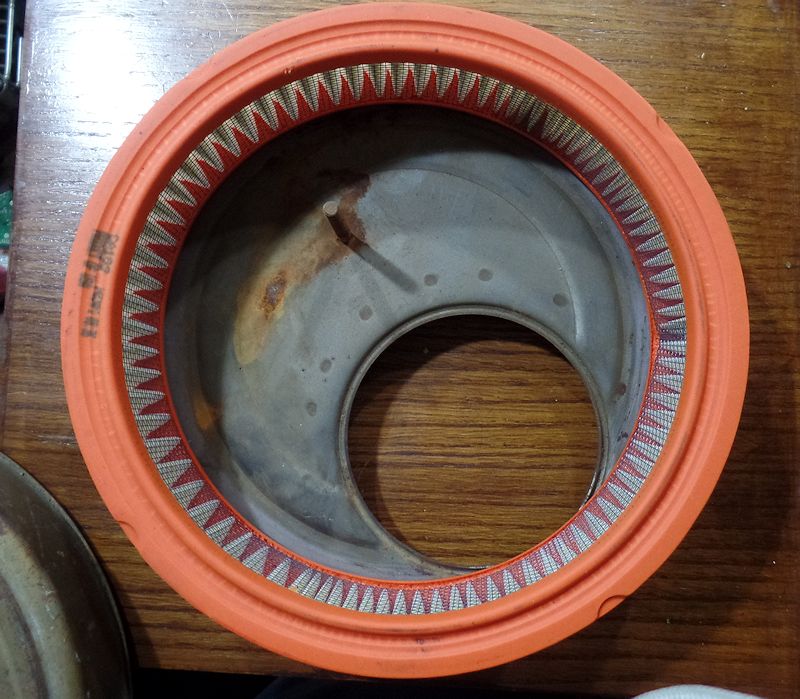
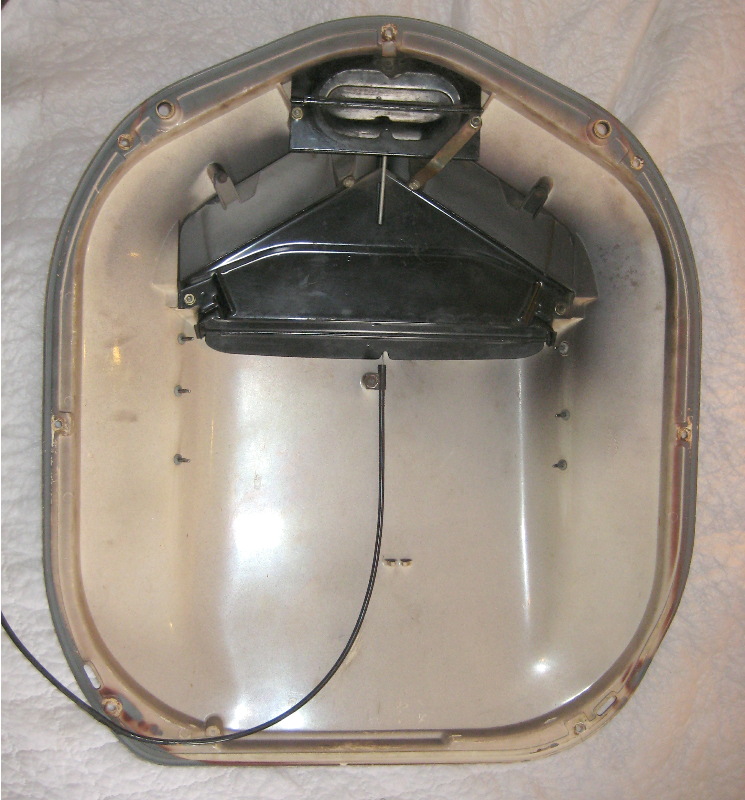
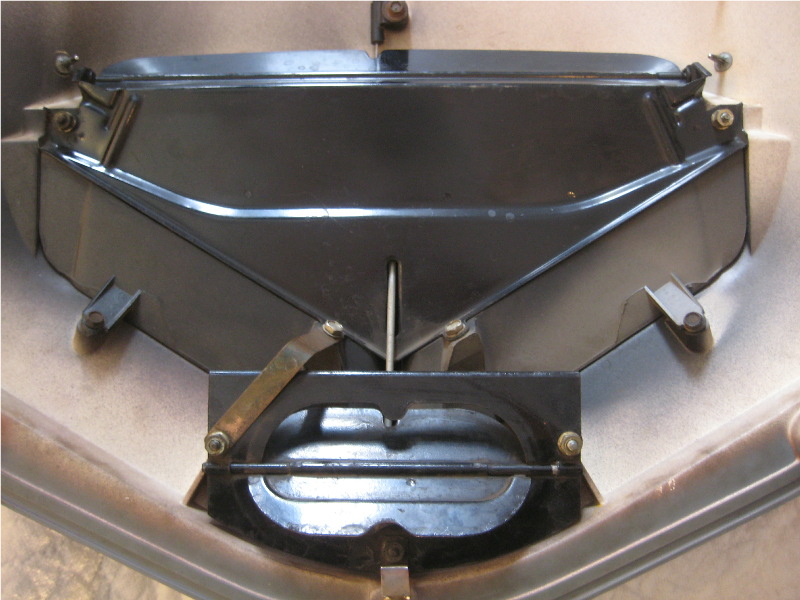
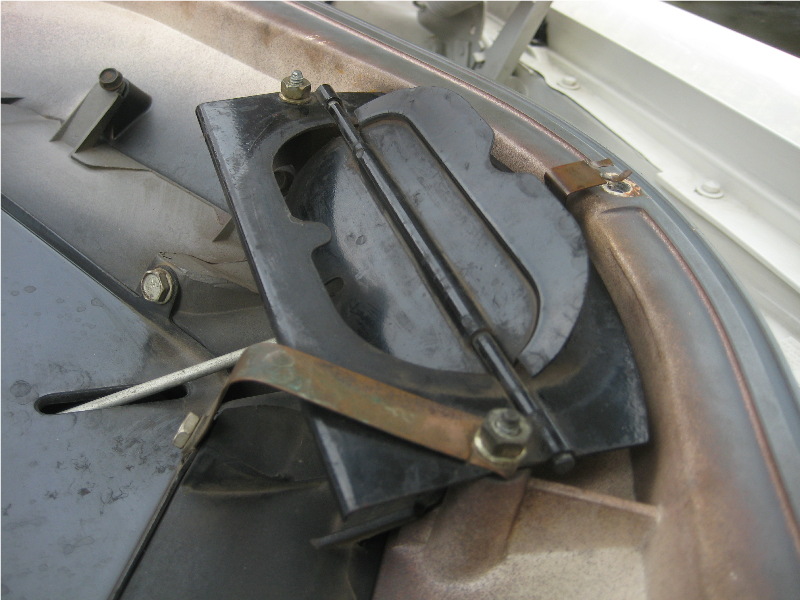
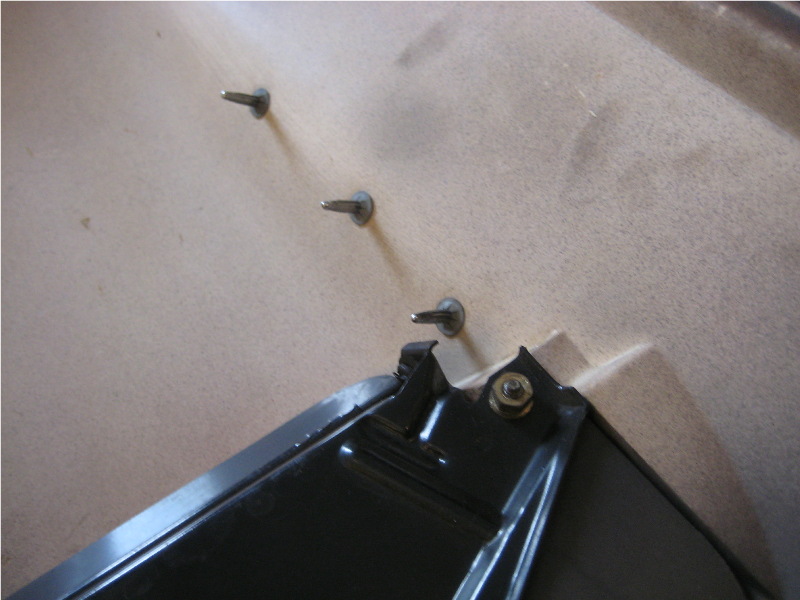
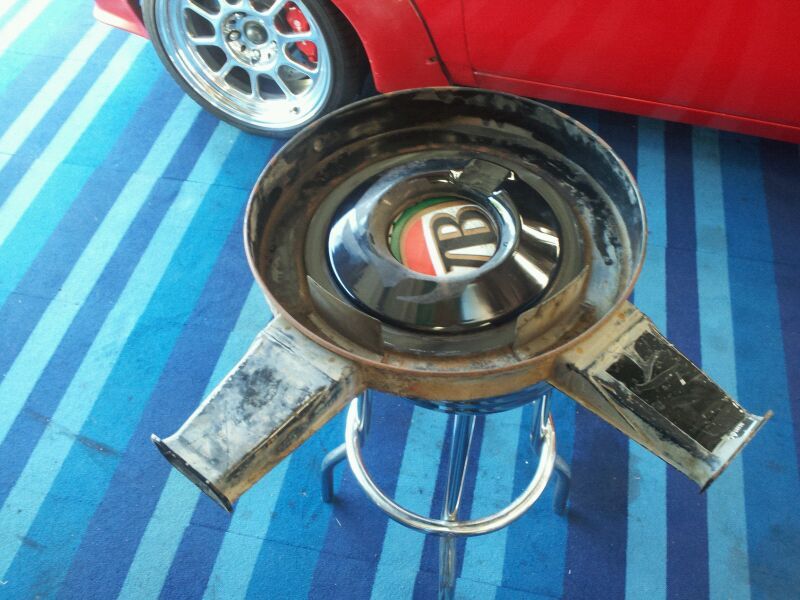
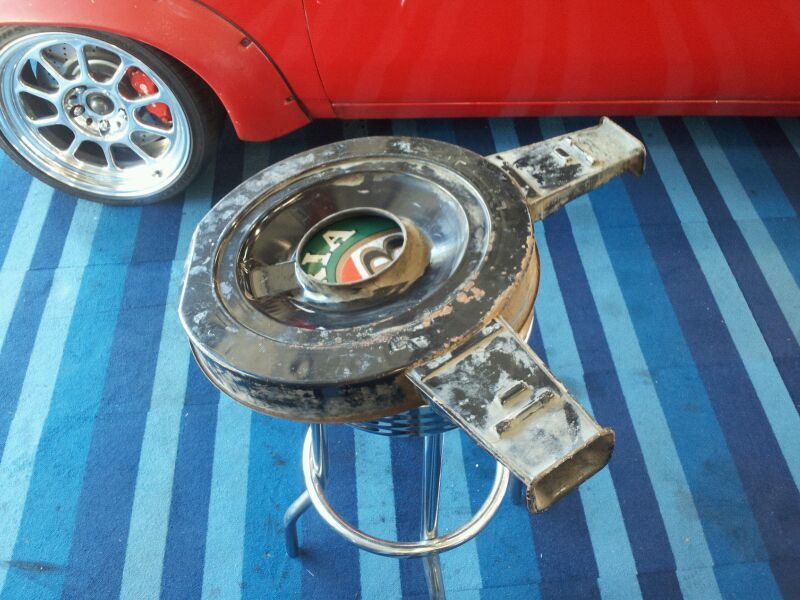
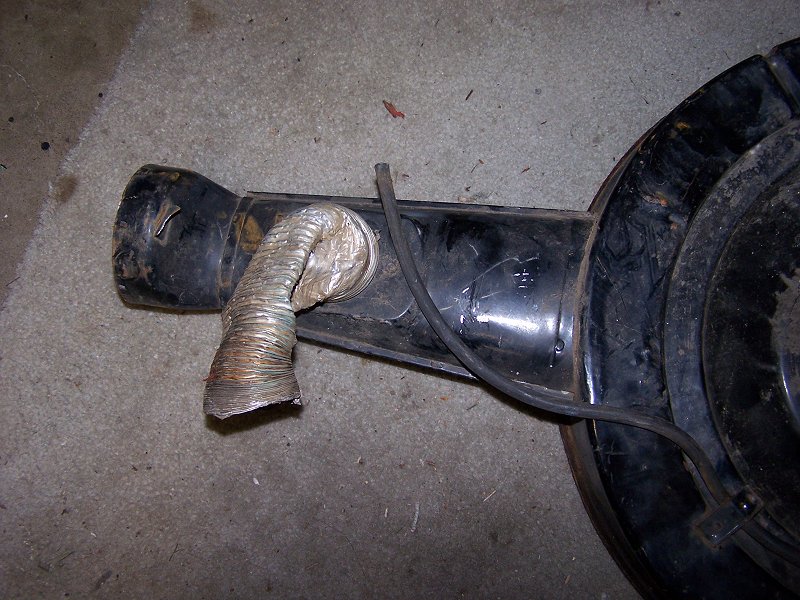
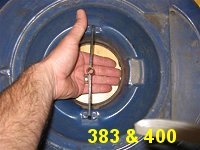
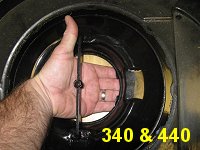
QuickBpBp from Moparts provided the following images. If you set the air cleaner base on a flat surface, such as a table, the carburetor throat for the 383 and 400 will sit completely on the table. On the 340 and 440, the outer edge of the air cleaner will hit the table and the carburetor throat will not. You should be able to slip your fingers underneath it.
 Air Cleaner Wrinkle Finish
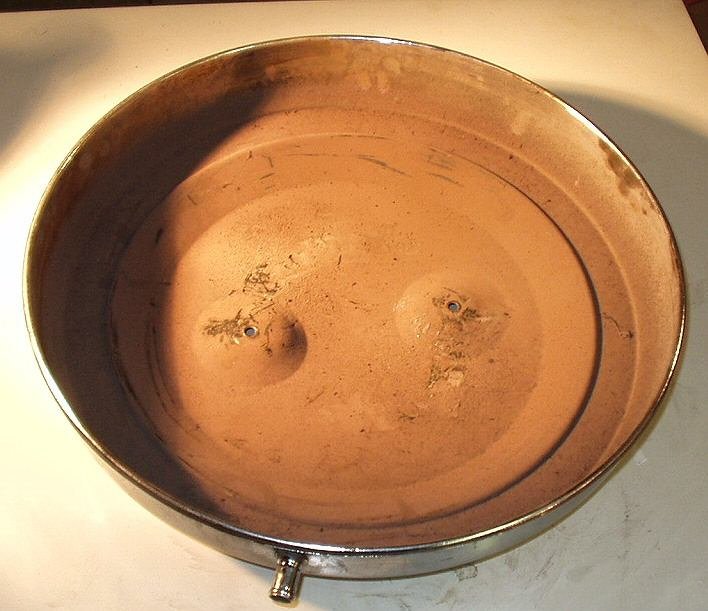
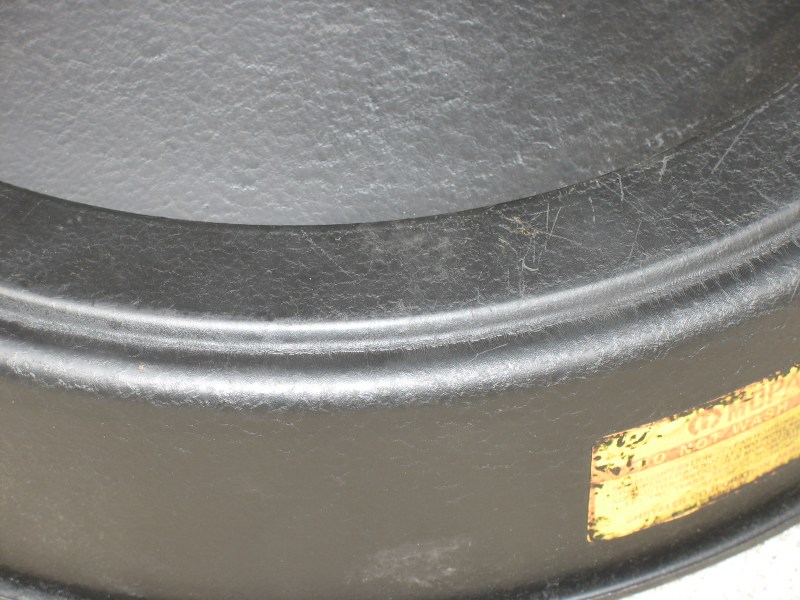
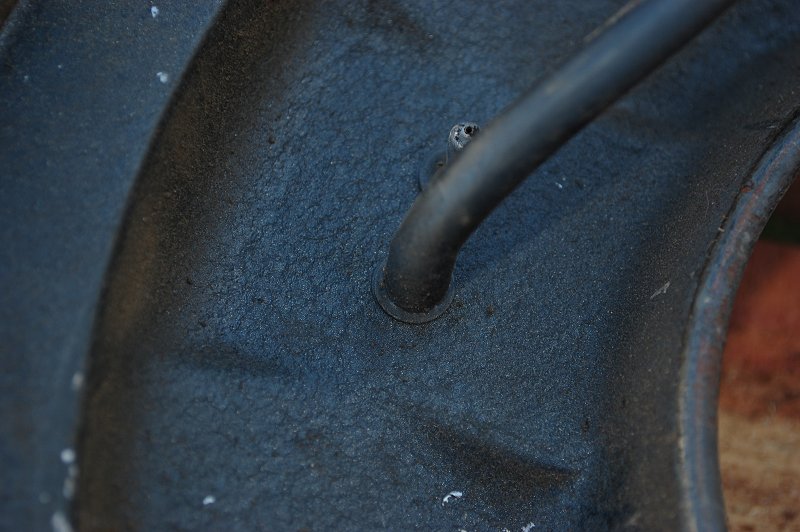
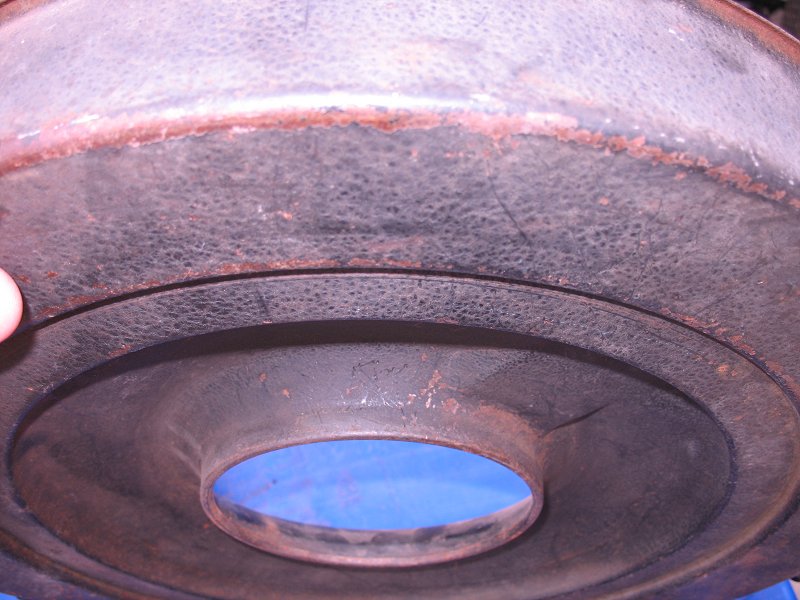
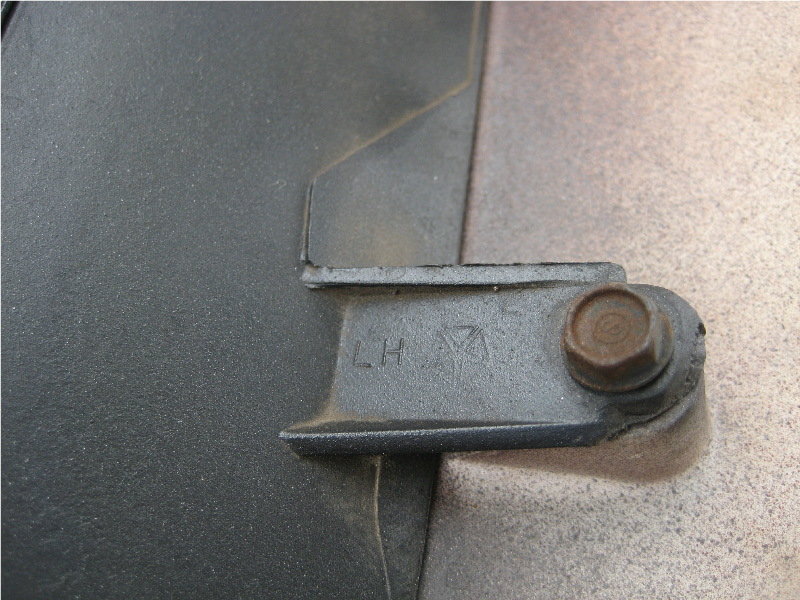
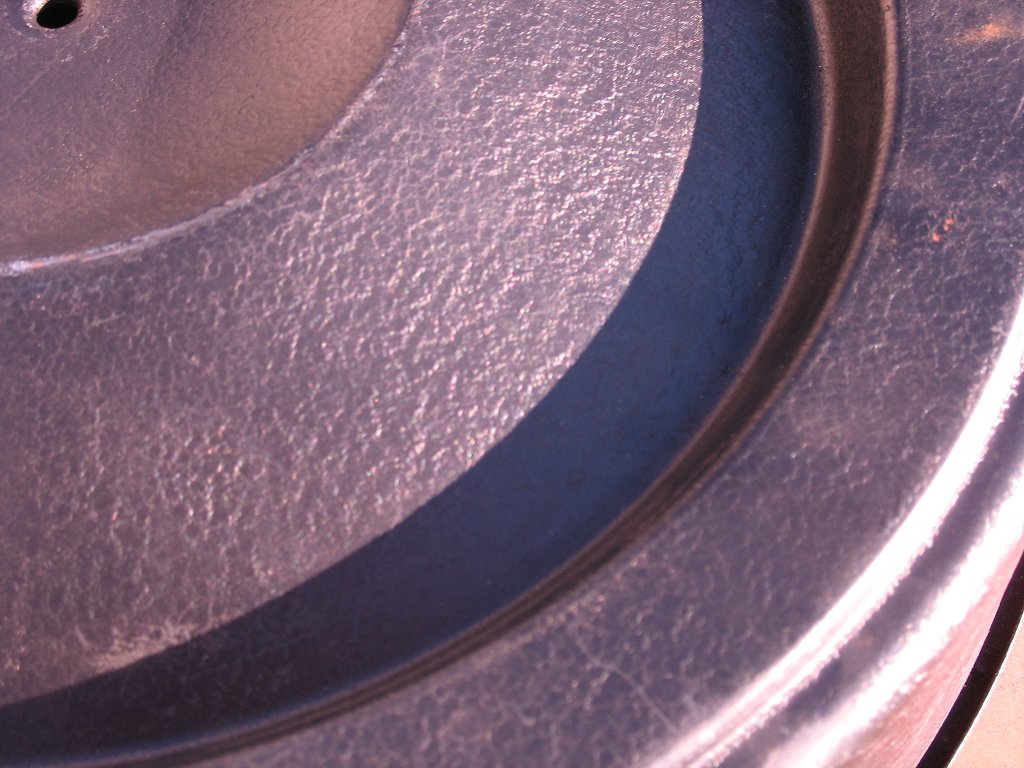
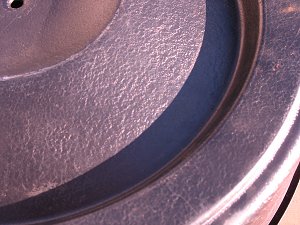
I get a lot of questions about the wrinkle finish used on some air cleaners and how to reproduce it. At right is a close up of the texture on a nice original '69 unsilenced air cleaner lid. Click on the picture for a larger view. I've now seen this finish on air cleaners from '67-71. On later ones, the finish is very light and seems to wear away easily.
I've had conversations with a past Chrysler engineer who worked in the air cleaner lab in the late '60s to early '70s. He tells me that the main supplier of B engine air cleaner assemblies was Canadian Fram Corporation of Chatham, Ontario. They stamped, assembled and painted the air cleaners, then delivered them to all the Chrysler assembly plants. His recollection is that the wrinkle finish was a bit more rough than the example here and that strong liquid cleaners can wear off the high points on the finish.
As for recreating this wrinkle finish, I've not been able to get the finish right. Some people say that Harley Davidson wrinkle paint is the best and I've not tried it. Most paint I've tried gives a very rough finish. Other people have stated that baking the paint in the oven at a low temperature helps to smooth out the wrinkle. I really need to try it sometime.
If anyone has hints they'd like to share, please let me know.
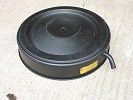
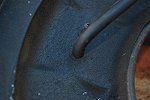
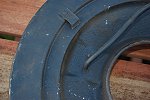
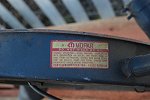
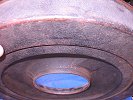
Other examples of original wrinkle finish. Click on images for larger views.
|